
24/7 Customer Support

Free returns

Same-day & Next-day Delivery

Quality Guaranteed

Unlock Your Welcome Offers: FREE Delivery | Up to 80% OFF | Free 30-day JoyPlus trial
Download the APP
Waking up with a stuffy nose, itchy eyes or constant sneezing can disrupt what should be a restful night's sleep. For many in the UK, common household allergens like dust mites, pollen and pet dander accumulate in bedding, turning a sanctuary into a source of discomfort. If this sounds familiar, switching to a hypoallergenic pillow could be a simple yet effective step towards a more peaceful night.
As a Joybuy Product Recommendation Officer, my role is to help you navigate the options available. This guide offers practical advice on what to look for in hypoallergenic pillows and presents a selection of our top recommendations for 2026, chosen for their material quality, features and suitability for allergy-sensitive individuals.
Finding the right pillow involves more than just picking one labelled "hypoallergenic". Consider these key factors to ensure you get the comfort and relief you need.
The material inside your pillow is crucial. While traditional feather and down pillows can be comfortable, they are also known to trap allergens. Modern alternatives offer a cleaner, more suitable solution for those with sensitivities.
A pillow that promotes airflow is a pillow that stays fresher for longer. Breathable pillows help to wick away moisture and prevent the warm, damp environment that dust mites thrive in. Furthermore, ease of cleaning is essential for allergy management. Look for machine washable pillows or those with removable, washable covers to easily remove any build-up of dust, sweat and skin cells. Always check the care label for specific instructions.
A pillow's primary job is to support your head and neck, maintaining proper spinal alignment.
Many modern pillows for allergies come with adjustable features, allowing you to find the perfect level of support.
Based on their construction, materials and user-focused features, here are a few standout options to consider for a cleaner, more comfortable sleep.

Why It Stands Out: This pillow offers a unique hybrid design that combines the supportive nature of foam with the plush comfort of microfibre pillows. Its main appeal is its customisability, allowing you to tailor the height and firmness to your exact preference.
Pros:
Who is it for? Ideal for sleepers who are unsure of their preferred pillow height or who enjoy fine-tuning their sleep setup for personalised comfort.
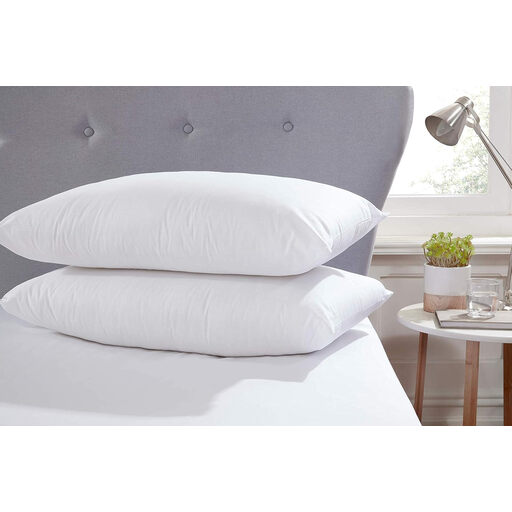
Why It Stands Out: This pillow is engineered to provide firm, structured support while retaining a "soft like down" feel. It uses a hypoallergenic hollowfibre filling that delivers reliable elevation for the head and neck.
Pros:
Who is it for? A strong candidate for back sleepers, or anyone who requires consistent, firm support to prevent their head from sinking too deeply into the pillow.
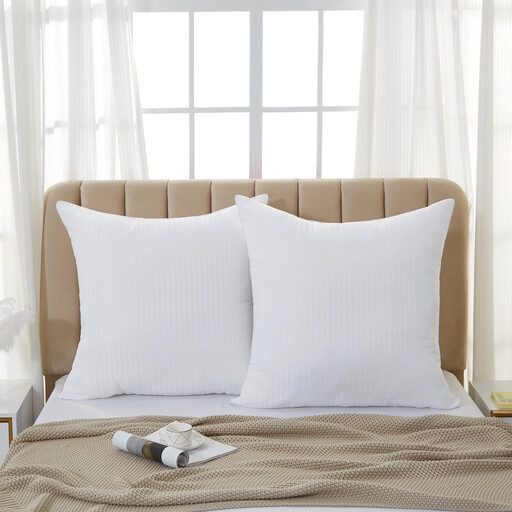
Why It Stands Out: Offering excellent value, this product comes as a pair of pillows. They feature a classic satin-stripe design and are filled with a soft, breathabledown alternative microfibre, making them a practical and comfortable choice for any bedroom.
Pros:
Who is it for? An excellent option for those looking to refresh their bedding on a budget, for guest rooms or for back and stomach sleepers who prefer a softer, more traditional pillow feel.
If these specific recommendations aren't quite what you're looking for, there are many other styles available. From different firmness levels to various sizes, finding the right fit is key to a good night's sleep.
Explore our wider collection of Microfibre cushion options to find your perfect match.
The terms are often used interchangeably, but there can be a subtle difference. Hypoallergenic pillows are made from materials, like microfibre, that are naturally less likely to trigger an allergic reaction. Anti-allergy pillows may be additionally treated with chemicals to actively combat the growth of dust mites and bacteria. For most users, a high-quality hypoallergenic material is sufficient.
For optimal hygiene, it is recommended to wash your pillowcases and any removable pillow protectors weekly. For machine washable pillows, washing the pillow itself every two to four months can help keep it fresh and free of allergens. However, always refer to the manufacturer's care label before washing.
While not a medical cure, a hypoallergenic pillow can make a noticeable difference. By creating a barrier against common allergens like dust mites, pollen and dander, it reduces your nightly exposure to these triggers. This can lead to fewer symptoms like sneezing and congestion, contributing to a more restful and uninterrupted sleep.