
24/7 全天候客户支持

免费退货

当日/次日达

品质保障

开启新人专享福利: 全场免邮 | 低至 2 折 | 免费试用 30 天 JoyPlus 会员
下载 Joybuy
When headaches, backache, period pain or a raised temperature disrupt your day, ibuprofen pain relief can be a practical over-the-counter option for eligible adults and adolescents. However, choosing between tablets, caplets and liquid capsules is not simply a matter of selecting the most prominent “fast” claim on the packaging.
The active ingredient, strength, age suitability, dose instructions and safety warnings matter more than the marketing language. This guide explains what to check before buying, then matches several options to different shopping needs.
Tablets, ibuprofen caplets and ibuprofen liquid capsules can look very different, but the important comparison is the amount of ibuprofen per dose. Many products contain 200mg ibuprofen, while some sodium ibuprofen products show a larger number on the front. For example, 256mg sodium ibuprofen may be equivalent to 200mg of ibuprofen.
Always compare the active ingredient and follow the individual product leaflet rather than judging strength by the largest number on the box.
Liquid capsules are marketed for rapid absorption, and some product packaging describes them as working faster than standard tablets. These statements refer to the product’s stated characteristics and do not guarantee an identical experience for every person.
A liquid-filled capsule may suit someone who prioritises a format marketed for fast-acting pain relief. A standard tablet may be more appropriate for someone who wants a straightforward, familiar option at a lower pack price.
A larger pack may offer convenience, but it is not useful if the medicine is unsuitable for your health circumstances or likely to expire before use. Check the expiry date, storage instructions and whether you already take another medicine containing ibuprofen or a different NSAID.
For children, never estimate a dose from an adult product. Use an age- and weight-appropriate children’s ibuprofen suspension with its supplied measuring syringe, and read the label every time.
For adults and adolescents aged 12 years and over, many non-prescription products contain ibuprofen 200mg per tablet or capsule. Common dosage instructions allow one or two units per dose, with a stated daily maximum. The exact directions vary by product, so check the packaging before taking it.
Ibuprofen is an NSAID used for short-term relief of mild to moderate pain and for reducing fever. It may be listed for headache relief, dental pain relief, back pain relief, period pain relief and muscular pain relief. It is not suitable for everyone.
Do not chew or open capsules unless the product instructions specifically allow it. If swallowing tablets or capsules is difficult, ask a pharmacist about a suitable alternative.
Do not use ibuprofen if you are allergic to ibuprofen, aspirin or other NSAIDs, or if you have or have had a stomach ulcer, perforation or bleeding. Extra care may be needed if you have asthma, high blood pressure or heart, liver, kidney or bowel problems.
During pregnancy, particularly the final three months, seek advice from a doctor or pharmacist before using ibuprofen. Check with a healthcare professional if you take anticoagulants, corticosteroids, SSRIs, diuretics or other regular medicines.
Use the lowest effective dose for the shortest necessary time. Product information commonly advises medical advice if fever continues beyond three days, or pain beyond the stated period. Stop and seek urgent medical attention for signs such as vomiting blood, black stools, facial swelling or difficulty breathing.
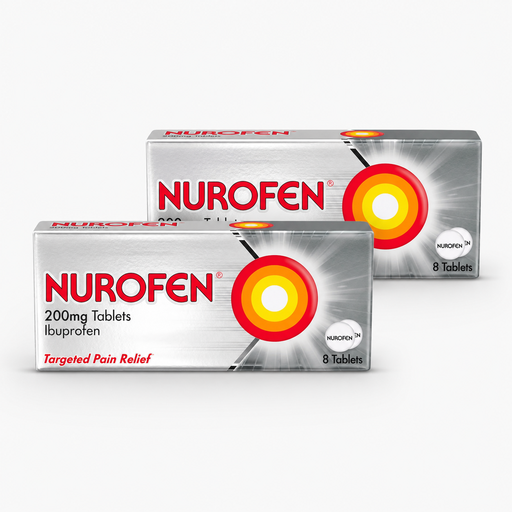
Why This Fits Their Persona: A small pack format is suitable for shoppers who want a familiar 200mg option for occasional everyday aches without storing a large quantity at home.
The 200mg strength is clearly stated, helping avoid confusing pack appearance or branding with dose.
200mg ibuprofen per tablet; suitable for adults and adolescents aged 12 years and over, subject to label directions.
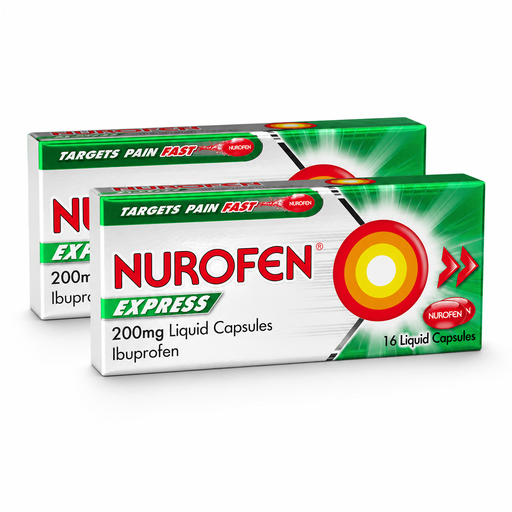
Why This Fits Their Persona: Suitable for adults and over-12s who prefer liquid capsules and want a larger household pack for recurring, short-term needs.
The capsule format is selected for swallowing preference and stated absorption characteristics, not as a guarantee of identical relief for every user.
200mg per capsule; listed for headache, dental, period, back and muscular pain, plus fever.
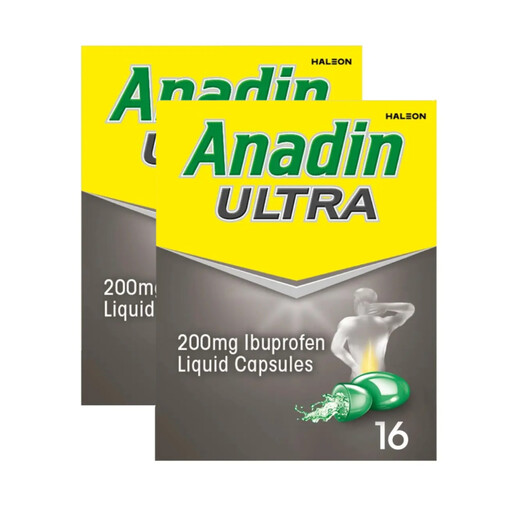
Why This Fits Their Persona: A practical match for shoppers who regularly need a portable liquid-capsule format for work bags, travel or short-term household use.
The pack gives a clear capsule count and 200mg strength, making it easier to compare quantity rather than rely on “ultra” wording.
Liquid-filled 200mg capsules; product information lists relief for muscular, rheumatic, dental and migraine pain.
We have compiled a complete, real-time list of products that fully satisfy these strict selection criteria and UK safety regulations.
For children aged three months to nine years, a liquid suspension may be easier to administer than tablets. The referenced strawberry suspension includes an oral syringe and age-specific instructions, including a minimum weight requirement for some younger infants.
Check the child’s age, weight, dose interval and maximum number of doses. Shake the bottle well and measure with the supplied syringe. Do not use adult tablets for a child, and ask a pharmacist or doctor before use if the child is dehydrated, has chickenpox, asthma, kidney problems or another relevant condition.
Use it for the shortest time required and follow the product leaflet. Many UK products advise adults to seek medical advice if pain continues for more than 10 days, or sooner if symptoms worsen. For fever and for adolescents, the recommended period may be shorter.
Do not combine it with another ibuprofen product or another NSAID unless a healthcare professional tells you to. Check cold and flu medicines carefully, as some may contain overlapping ingredients. A pharmacist can advise whether another type of painkiller is suitable.