
24/7 Customer Support

Free returns

Same-day & Next-day Delivery

Quality Guaranteed

Unlock Your Welcome Offers: FREE Delivery | Up to 80% OFF | Free 30-day JoyPlus trial
Download the APP
Choosing ice cream online involves more than picking a flavour. UK shoppers need to compare tub size, serving format, ingredients, allergens, dietary information and freezer storage before adding a product to their basket. Whether you want premium ice cream for a quiet evening, family-size ice cream for a gathering or plant-based gelato for a specific diet, the label matters as much as the marketing description.
Words such as “luxurious”, “indulgent” and “creamy” describe positioning rather than measurable qualities. A caramel ice cream may contain a relatively small proportion of caramel sauce, while a chocolate ice cream can vary considerably in cocoa content.
Check the ingredient list and percentage declarations. For example, Häagen-Dazs Pralines & Cream lists caramel swirl at 10.8% and caramelised pecan nuts at 7.2%, while Mackie’s Honeycomb Harvest lists honeycomb at 7%. These figures provide more useful context than promotional wording alone.
Ice cream commonly contains milk, eggs, soya, wheat or tree nuts. Chocolate coatings, biscuit pieces and ice cream cones can introduce additional allergens. A product described as gluten-free may still carry a “may contain” statement for nuts or other ingredients.
Always read the current packaging before eating, particularly when buying for children, guests or anyone with a food allergy. Recipes can change, and online product information may not reflect every packaging update.
A 460ml tub, a 1-litre tub, ice cream sticks and mochi ice cream serve very different purposes. Individual sticks are convenient for portioning, while ice cream tubs work better for sharing or serving with desserts. A family-size pack may offer more servings, but it also requires sufficient freezer space and careful storage.
Frozen desserts should generally be kept at -18°C or below and should not be refrozen after thawing. Consider delivery timing and freezer capacity before ordering several packs.
“Dairy ice cream” typically contains milk or cream, while plant-based ice cream may use coconut oil, oat ingredients or other alternatives. These categories are not interchangeable for allergy or dietary purposes.
XO ICE Musang King Durian Gelato is listed as plant-based, dairy-free, lactose-free, gluten-free and halal certified, but it contains coconut and may contain traces of milk. That makes the allergen statement important even when the product meets several dietary preferences.
Gelato often has a dense texture and strong flavour profile, but the term alone does not confirm a particular ingredient standard. Check the base, sweeteners and declared allergens rather than relying on the category name.
Use the stated net quantity to match the product to the occasion:
For comparison, Mackie’s Traditional Real Dairy Ice Cream is available in 1-litre and 2-litre formats, while Magnum Classic is available in packs of three or six 100ml sticks.
Frozen desserts are treats, so compare products using the same reference amount. Nutrition panels commonly show values per 100g or 100ml, but portion sizes vary. XO ICE Protein Chocolate Gelato lists 91 kcal and 2.4g sugar per 100g, whereas Häagen-Dazs Dulce De Leche lists 258 kcal and 26.8g sugar per 100g.
These figures are not a health endorsement. They simply help shoppers choose a product that fits their preferences. For gluten-free, vegetarian or halal requirements, look for the relevant declaration and verify the full allergen information on the product label.
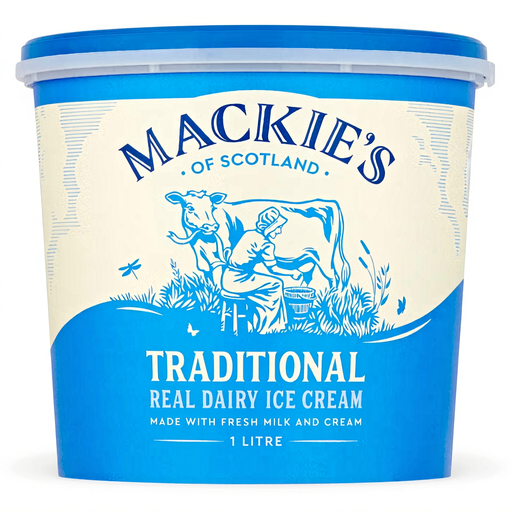
Why This Fits Their Persona: A straightforward vanilla-style dairy ice cream for households wanting a versatile tub for desserts, family servings and everyday treats.
The 1-litre quantity is clearly stated, helping shoppers avoid confusing a small premium tub with a family pack. The ingredients and milk and egg allergen information are also listed.
Made with whole milk and whipping cream; suitable for vegetarians; available in a larger household-friendly format.
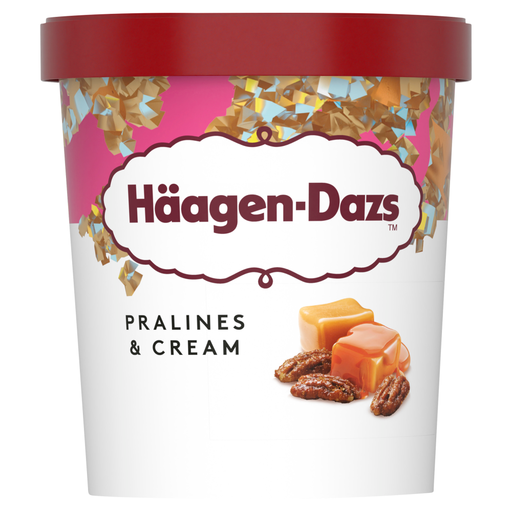
Why This Fits Their Persona: A smaller tub for shoppers planning a special dessert or personal treat, with vanilla ice cream, caramel swirl and pecan pieces.
The flavour components are quantified: caramel swirl is 10.8% and caramelised pecan nuts are 7.2%. The product is also listed as gluten-free and suitable for vegetarians.
Contains 30% fresh cream; includes natural vanilla flavouring; made without artificial flavours or colours according to the supplied product information.
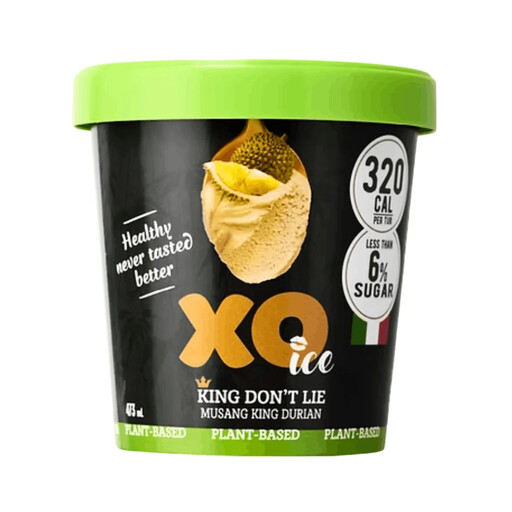
Why This Fits Their Persona: A distinctive choice for plant-based shoppers and durian fans seeking a frozen dessert with an intense tropical flavour profile.
Its plant-based, dairy-free, gluten-free and halal-certified declarations are clearly provided, alongside a coconut allergen warning and possible milk traces.
Contains 20% durian paste; 473ml tub; listed at 114 kcal and 5.9g sugar per 100g in the supplied nutrition information.
We have compiled a complete, real-time list of products that fully satisfy these strict selection criteria and UK safety regulations.
Keep ice cream at -18°C or below and follow the best-before guidance on the packaging. Quality may decline after repeated temperature changes, so return the tub to the freezer promptly and do not refreeze it after thawing.
Usually, yes. Many tubs are easier to scoop after standing at room temperature for around five to ten minutes. Mochi ice cream often needs only a few minutes, while larger tubs may require longer. Avoid leaving frozen desserts out for extended periods.
Ice cream sticks, cones and bonbons offer simple individual serving with little preparation. Tubs are more flexible for sharing, sundaes and serving alongside pies or brownies. For a mixed gathering, check every product’s allergen and dietary information rather than assuming all formats have the same ingredients.