Gym-goers without freezer access
If a snack will spend the journey or workout in an ordinary gym bag, choose a non-frozen option unless you can maintain the frozen product’s labelled storage condition.


A frozen cone multipack is not an ordinary gym-bag snack: a bag alone does not establish that the cones will stay at their labelled frozen-storage temperature. Choose a non-frozen snack if you cannot maintain that condition through the journey and until serving. If you can, a cone multipack offers individual portions for sharing; check the pack count and exact flavour’s allergen label before buying.
If a snack will spend the journey or workout in an ordinary gym bag, choose a non-frozen option unless you can maintain the frozen product’s labelled storage condition.
A cone multipack gives each person an individual portion. Cornetto Classico and Mint are sold as six-cone packs, but frozen storage still matters during transport as well as at the destination.
Compare the exact flavour’s ingredients, allergens and per-cone nutrition. For example, Cornetto Classico contains milk, wheat and hazelnuts; another variant’s label may differ.
Start with storage during the whole trip. Then match the number and type of portions to the group, and check the label for the exact flavour.
| Priority | What to check | Your needs |
|---|---|---|
| Frozen storage | Cornetto Mint and Magnum Mini Classic are labelled for storage at -18°C. Check how you will maintain the selected pack’s labelled condition during transport and until serving. | I need something to carry in a gym bag; if I cannot keep a frozen product at its required temperature, I need a non-frozen snack instead. |
| Portions and format | Count individual servings and confirm whether they are cones or sticks. Cornetto Classico has six 90ml cones; Magnum Mini Classic has six 55ml sticks, according to the Tesco Groceries and Ocado listings respectively. | For sharing, I want enough individual portions in a format everyone expects. A stick will not meet a request for cones. |
| Allergens and nutrition | Read the exact pack’s ingredient and allergen declarations. Sainsbury’s lists 163 kcal, 10g sugars and 7.2g saturates per Cornetto Classico cone; do not apply those figures to other flavours. | Before sharing, I want to check whether this particular flavour fits the group’s allergy requirements and compare nutrition per cone. |
The Cornetto Mint and Magnum Mini Classic listings specify storage at -18°C. A suitable pack count says nothing about whether a bag can maintain that condition.
Plan for the labelled frozen-storage requirement throughout transport and until serving. If you cannot meet it, choose a non-frozen snack.
Cornetto Classico contains six cones, while Magnum Mini Classic contains six sticks. The same pack count does not mean the same format.
Check both the number of items and what each person will receive.
Cornetto Classico contains milk, wheat and hazelnuts. Its listed per-cone nutrition should not be used for another variant.
Read the ingredient, allergen and nutrition panels on the exact pack before sharing it.
The Department of Health and Social Care’s guidance covers promotion and placement restrictions for certain foods in England’s retail settings. The Department for Education sets out a separate school-food framework for England; neither point alone determines whether a particular cone pack can be served on a particular school menu.
For school catering, check the rules applicable to the school’s nation and setting alongside the exact product information.
Classico and Mint are listed as six-packs of 90ml cones by Tesco Groceries and Consort Frozen Foods respectively.
Ocado lists Magnum Mini Classic as six 55ml ice-cream sticks.
Sainsbury’s lists a Mint & Chocolate Cones 4x110ml option alongside Cornetto cone multipacks.
These cone multipacks are options for sharing where you can maintain their labelled frozen-storage conditions during transport and until serving—not for carrying as ordinary gym-bag snacks.
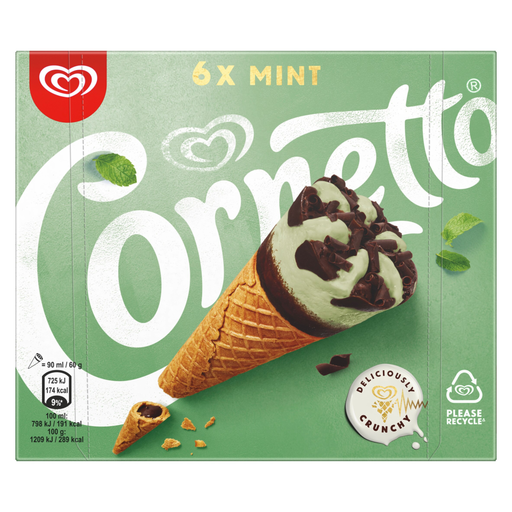 No image available
Six individual cones for sharing when frozen storage can be maintained through the journey and until serving. The matching Cornetto Mint listing specifies storage at -18°C. The product details list milk, wheat and hazelnuts; check the exact pack for its full allergen declaration.
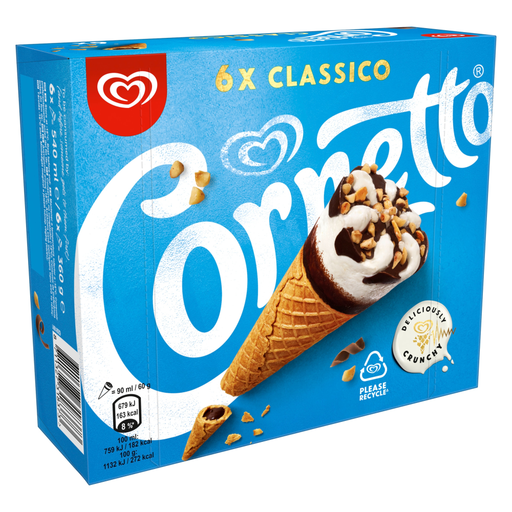 No image available
Six individual cones for a group with suitable frozen storage. The product details specify storage at -18°C or below and list milk, wheat and hazelnuts. Check the exact pack’s allergen and nutrition panels before sharing.
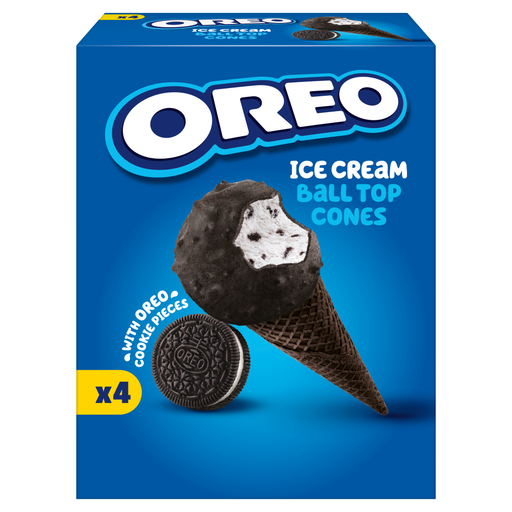 No image available
Four individual cones for a smaller group, provided you can maintain frozen storage through transport and until serving. The product details say to keep them frozen at -18°C and list milk, wheat and soya; check the pack for its full allergen declaration.
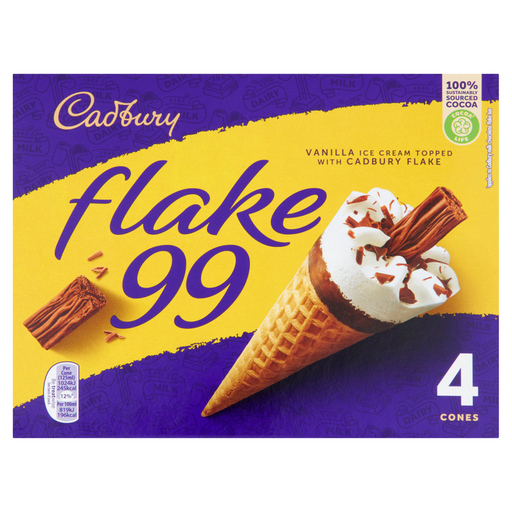 No image available
Four individual cones for sharing where frozen storage can be maintained. The product details say to keep them frozen and store below -18°C; they list milk, soya and wheat. Check the exact pack for allergens and complete nutrition information.
Do not rely on an ordinary gym bag to maintain frozen storage. The Cornetto Mint and Magnum Mini Classic listings specify -18°C; choose a frozen pack only if you can maintain its labelled condition during transport and until serving.
It makes sense when the group wants individual cones and you can maintain the pack’s frozen-storage condition. Tesco Groceries lists Cornetto Classico as six 90ml cones, so check that six portions suit the group.
Not if the group specifically wants cones. Ocado lists Magnum Mini Classic as six 55ml sticks, which require storage at -18°C; consider them only if sticks are acceptable and you can maintain frozen storage.
Cornetto Classico lists milk, wheat and hazelnuts, with possible additional allergens. Read the full declaration on the exact pack before sharing, particularly if anyone in the group has an allergy.
No such conclusion follows from the promotion rules alone. Department of Health and Social Care guidance addresses restrictions on promoting and placing certain foods in England’s retail settings; the Department for Education sets out a separate school-food framework for England. A school caterer needs to check the applicable rules and exact product rather than infer its status from a general HFSS description.