What should you check?
Decide when the food will be eaten before choosing a flavour or cone format: a snack carried on the walk and a frozen dessert served afterwards have different storage requirements.
Snack for the walk
Choose when: The food must travel in a rucksack and remain usable until you eat it.
Trade-off: A packable snack does not offer the frozen-cone dessert experience, but does not depend on freezer-level storage during the walk.
Cone after the walk
Choose when: The cone can stay frozen until it is served promptly after the hike.
Trade-off: It requires controlled frozen storage and should not take the place of a snack you need to carry on the route.
| Priority |
What to check |
Your needs |
| Packability |
Consider when you will eat the snack, the expected weather and whether it will withstand rucksack handling. Much Better Adventures highlights weather and temperature when choosing hiking food. |
I want food I can carry through the walk and still use when I stop. |
| Activity duration |
Match food to the length of the outing and your own requirements. University College London Hospitals NHS Foundation Trust discusses carbohydrate snacks for activity lasting 60 minutes to two hours, and a carbohydrate-and-protein mixture for a long hike. |
For a longer walk, I want to plan what I will eat during the activity rather than rely on a dessert afterwards. |
| Frozen storage |
Read the exact pack’s storage instruction and plan how it will remain frozen until serving. Magnum Ice Cream specifies −18°C for its Almond ice cream; that stick product is an example of a labelled frozen-dessert requirement, not a cone specification. |
If I choose a cone after the walk, I need somewhere to keep it frozen until then. |
| Flavour and ingredients |
Compare the exact cone’s stated flavour, portion size and ingredient label. Check its allergen information rather than applying another flavour’s details. |
Once storage is arranged, I can choose the cone I want to serve and check that its ingredients suit the people eating it. |
Joybuy cones for after the walk
These frozen cones fit a planned post-walk dessert, provided you can follow each pack’s storage instructions until serving. They are not substitutes for a snack carried throughout a hike.
 No image available
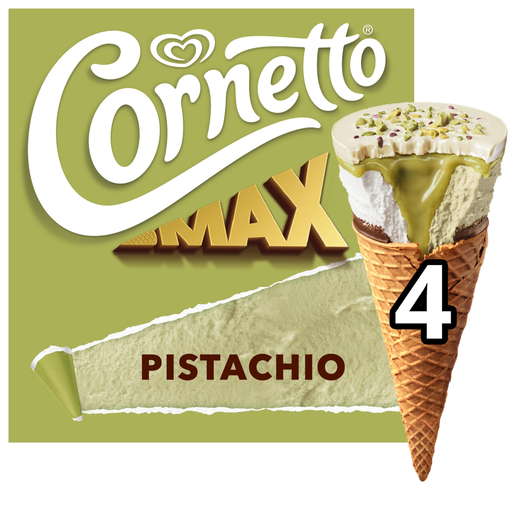
Cornetto MAX Pistachio Ice Cream Cones, 4 × 90 ml
A pistachio-flavoured cone to serve after the walk, rather than carry along the route. Keep frozen at −18°C or below. The product information identifies milk, wheat and pistachios; check the exact pack for allergens and possible cross-contact.
View on Joybuy
 No image available
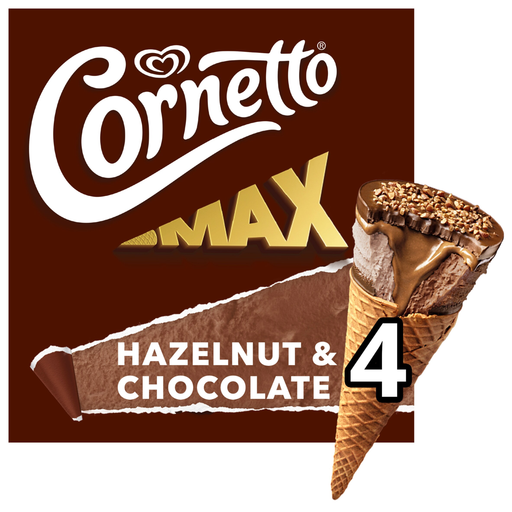
Cornetto MAX Hazelnut & Chocolate Ice Cream, 4 × 90 ml
A hazelnut-and-chocolate option for serving after the walk when frozen storage is available. Keep frozen at −18°C or below. The product information identifies milk, wheat and hazelnuts; check the exact pack for allergens and possible cross-contact.
View on Joybuy
 No image available
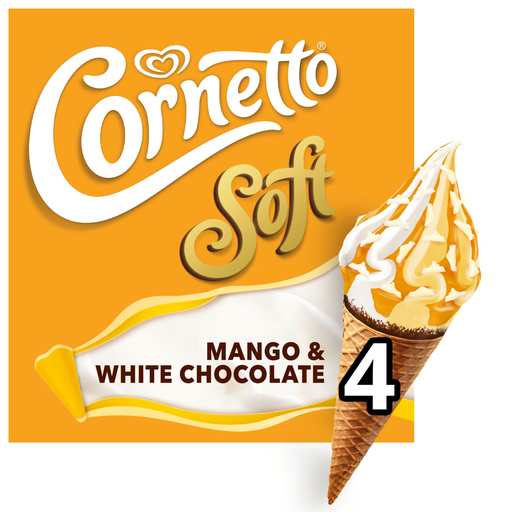
Cornetto Soft Mango & White Chocolate, 4 × 140 ml
A mango-and-white-chocolate cone for a planned post-walk serving, not ordinary rucksack carriage. Keep frozen at −18°C or below. The product information identifies milk and wheat; check the exact pack for allergens and possible cross-contact.
View on Joybuy
 No image available
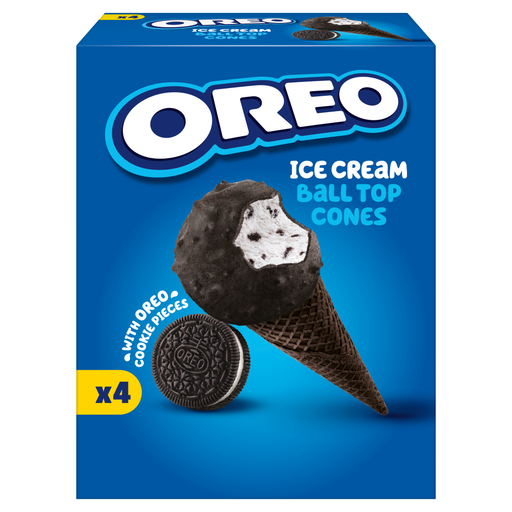
Oreo Topped Ice Cream Cones, 4 × 100 ml
An Oreo-topped cone for eating after the walk if it can remain frozen until serving. The product information says to keep it at −18°C and not allow it to defrost before eating. It identifies milk, wheat and soya; check the exact pack for allergens and possible cross-contact.
View on Joybuy
 No image available
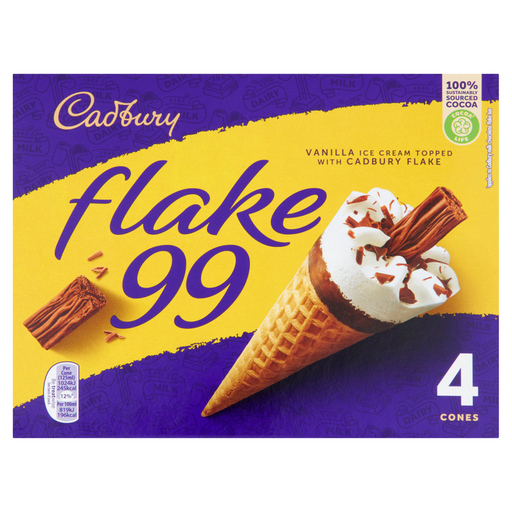
Cadbury Flake 99 Cones, 4 × 125 ml
A Flake 99 cone to serve after the walk rather than carry on the trail. The product information instructs storage below −18°C and identifies milk, soya and wheat; check the exact pack for allergens and possible cross-contact.
View on Joybuy
Questions about cones and hiking
Can I carry an ice cream cone in my rucksack for a hike?
A frozen cone is poorly suited to an ordinary rucksack-based hike: it needs frozen storage and can melt or be damaged before you eat it. Choose food that remains usable on the route, and reserve the cone for a post-walk serving when you can keep it frozen until then.
What should I consider for a walk lasting more than an hour?
Plan food around the activity’s duration and your individual needs. University College London Hospitals NHS Foundation Trust discusses carbohydrate snacks for activity lasting 60 minutes to two hours and a carbohydrate-and-protein mixture for a long hike; a frozen dessert after the walk does not solve the problem of what to carry and eat on the route.
Which allergens should I check in a frozen cone?
Read the label of the exact flavour and pack you intend to serve. Ingredients vary between products: the Sainsbury’s Cornetto Strawberry listing describes a wafer cone and ice cream, while Magnum Ice Cream identifies milk and almonds in its separate Almond stick product. Neither description establishes the allergen list for another cone.
Can a school use the same ice cream cone rules throughout the UK?
No single UK-wide school-food check covers every setting. Identify the nation and how the food would be provided, then consult its current requirements for the exact product. Department for Education guidance applies to England; Scotland, Wales and Northern Ireland have separate provisions, and Welsh Government guidance identifies a change scheduled for 31 October 2026.
Is every ice cream cone automatically classified as HFSS?
Do not assign an HFSS classification from the product category alone. Check the exact product and the classification rules relevant to the decision. School-food requirements are a separate question and must be checked for the applicable nation and setting.


