Cyclists choosing an after-ride dessert
A cone gives one defined unit. A tub can be shared, but each person needs to serve the amount they want rather than treating the pack size as a portion.


Choose individually portioned cones if you want a defined dessert serving at home after a ride; choose a sharing tub if you are happy to serve portions into bowls. Neither is a practical main fuel format for a long or hard ride: British Cycling advises spreading carbohydrate intake across regular, manageable feeds, while cones and tubs need frozen storage.
The useful distinction is whether you need a dessert portion at home or food you can carry and eat during a ride.
A cone gives one defined unit. A tub can be shared, but each person needs to serve the amount they want rather than treating the pack size as a portion.
Frozen cones and tubs are poor fits for repeated on-bike feeds. British Cycling advises planning carbohydrate intake across a ride and trying foods in training to learn what is manageable.
Ingredients and precautionary allergen statements differ between products and flavours. Check the current pack for the specific dessert being served.
Decide when you will eat it, then compare the portion stated on each label. A pack’s total volume and an individual serving answer different questions.
| Priority | What to check | Your needs |
|---|---|---|
| Food during the ride | Plan portable food and fluids separately from frozen desserts. For longer rides, British Cycling describes 0.5–1 g carbohydrate per kg bodyweight per hour, depending on intensity, spread across two or three small feeds every 20–30 minutes. Try ride foods in training. | For a long ride, I need food I can carry and eat at intervals, rather than a cone or tub waiting in the freezer. |
| Dessert portion | Check the number and volume of individual cones, or choose how much to serve from a tub. Sainsbury’s lists six 90 ml cones for Cornetto Mint; Tesco lists a 440 ml Magnum Double Salted Caramel tub. Neither pack size describes the other product’s serving. | A defined cone suits me when I want one ready-portioned dessert. If several people are sharing a tub, I would serve it into bowls. |
| Nutrition label | Compare values on the same serving basis, including carbohydrate, fat, saturates and total sugars. Sainsbury’s lists 21 g carbohydrate, 9.7 g fat, 8.1 g saturates and 14 g sugars per reviewed Cornetto Mint cone. The NHS notes that total sugars and free sugars are not identical measures. | I want to know what my actual dessert portion contains, not compare a whole tub with a single cone or mistake carbohydrate alone for the full picture. |
| Allergens and variants | Read the current ingredients and allergen statement for the exact flavour and pack. Check any “may contain” wording too: the Food Standards Agency explains that it signals possible unintended allergen presence. | If an ingredient or cross-contact warning matters in my household, I need the label for the product we will eat, not another flavour’s listing. |
A cone supplies some carbohydrate, but a frozen single serving does not provide the repeated, portable feeds described in British Cycling’s longer-ride guidance.
Plan ride food and fluids separately, and try unfamiliar options during training rather than relying on them for the first time on a demanding ride.
Sainsbury’s reviewed Cornetto Mint listing gives 21 g carbohydrate per cone, while Joybuy’s Mint listing gives 18 g per serving. The two listings should not be treated as an interchangeable nutrition panel.
Match the full name, flavour and pack size, then check the current pack’s serving figures, ingredients and allergens.
On their retailers’ stated per-serving figures, the reviewed Cornetto Mint cone has 8.1 g saturates and the Feast Original stick has 15 g. These are dessert labels, not measures of suitability as ride fuel.
Compare serving size, carbohydrate, fat, saturates and sugars together before deciding which dessert portion you want.
Ingredients and precautionary allergen wording can differ by product or change. A similarly named flavour does not establish what is in the pack you have.
Read the current physical label before serving. For a medically necessary restriction, follow the individual’s clinical advice.
These examples illustrate cone, tub and stick formats; their label details apply to the named products, not every product from each brand.
Sainsbury’s reviewed Cornetto Mint is a six-pack of individually portioned 90 ml wafer cones.
Tesco lists the reviewed Double Salted Caramel dessert as a 440 ml sharing tub stored at −18°C.
ASDA’s reviewed Feast Original multipack contains four 90 ml ice-cream sticks, offering a defined single unit rather than a cone or sharing tub.
These options cover individually portioned cones and sharing tubs for a dessert at home. They are not a selection of food to carry as the main fuel for a long ride.
 No image available
Choose this format when one cone is a convenient at-home dessert portion. Joybuy lists six portions and says to store this Classico pack at −18°C or below and not refreeze it once thawed; check its current label for nutrition and allergens.
 No image available
The four 100 ml cones give you individual units for dessert at home. Check the current pack’s serving figures and allergen statement rather than assuming they match another cone flavour.
 No image available
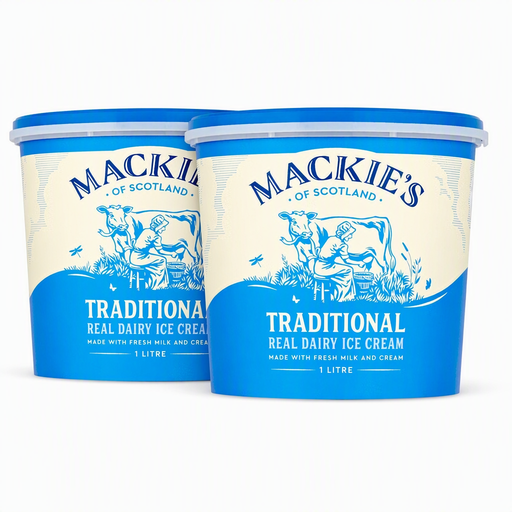
The two one-litre tubs suit a plan to serve dessert on several occasions or share it at home. Decide how much to put in each bowl and use the current pack’s nutrition and allergen label for that portion.
 No image available
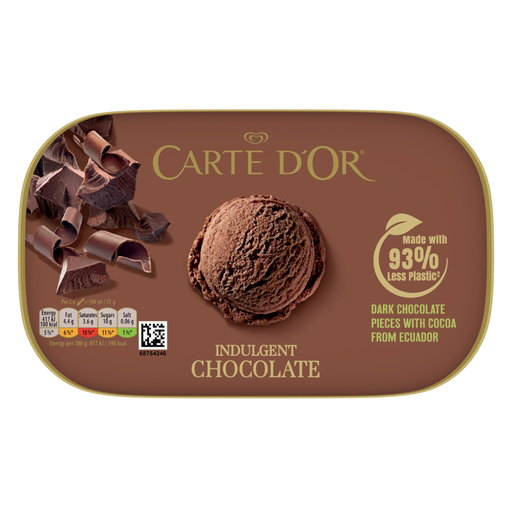
This 900 ml tub is a sharing format rather than a defined individual serving. Serve the amount you intend to eat, then check the current label when comparing that portion with a cone.
Neither is a practical main on-bike food plan. British Cycling describes 0.5–1 g carbohydrate per kg bodyweight per hour on longer rides, depending on intensity, across two or three small feeds every 20–30 minutes. Plan food and fluids you can carry and have tried in training; keep frozen dessert for home.
A cone provides a defined single unit, while you choose how much to serve from a tub. For example, Sainsbury’s lists the reviewed Cornetto Mint as six 90 ml cones and Tesco lists the reviewed Magnum Double Salted Caramel tub as 440 ml; check each current label for the serving you actually eat.
Check the current pack of the exact product. The reviewed Feast Original stick declares milk, wheat and soya; Tesco’s reviewed Magnum tub includes milk and soya and says it may contain certain cereals and nuts. The Food Standards Agency explains that “may contain” wording communicates possible unintended allergen presence.
Follow the instructions on the pack you buy. Tesco states −18°C for the reviewed Magnum tub, while Joybuy’s Cornetto Classico listing says to store it at −18°C or below and not refreeze it once thawed.
No. The NHS explains that a label’s total-sugars figure also includes sugars naturally present in ingredients such as milk and fruit, which do not all count as free sugars. Use the stated total-sugars figure when comparing like-for-like dessert servings, without treating it as a free-sugars figure.