Runners planning training food
If you are considering ice cream for a long run or recovery, start with food and fluids suited to your session. The UK Sports Institute advises an individualised, balanced approach rather than relying on one food.


Neither ice-cream cones nor sharing tubs should be the main fuel for marathon training: the UK Sports Institute advises an individualised, balanced approach to food and fluids around running. If ice cream is an occasional dessert, a multipack cone gives you a defined unit; a tub suits sharing when you serve portions into bowls and check the label for nutrition and allergens.
The reason for buying matters more than the packaging: training fuel and an occasional dessert are different decisions.
If you are considering ice cream for a long run or recovery, start with food and fluids suited to your session. The UK Sports Institute advises an individualised, balanced approach rather than relying on one food.
If your training nutrition is planned separately, decide whether individually served cones or a tub portioned into bowls better fits the occasion.
If milk, wheat, nuts or other ingredients affect your choice, read the ingredient and precautionary allergen statements on the exact pack. They vary between products.
Set your training-food plan separately, then compare dessert formats by the amount you will serve and the information on the pack.
| Priority | What to check | Your needs |
|---|---|---|
| Training fuel | Plan food and fluids around the session and your individual needs. Check a dessert’s carbohydrate, fat and saturates per stated serving without treating those figures as a complete fuelling plan. | I’m buying for long runs or recovery, so I need to plan training food separately. The UK Sports Institute advises an individualised, balanced approach. |
| Serving size | Check the amount in one cone or the tub serving you intend to dish out. Read per-portion values alongside per-100g or per-100ml values; the NHS notes that a manufacturer’s portion may differ from yours. | A single cone gives me a defined dessert unit. If we’re sharing a tub, I’d rather serve it into bowls than assume its labelled portion matches what we eat. |
| Nutrition label | Compare like units and serving amounts, including carbohydrate, fat and saturates. Do not assume another flavour or format has the same values. | I want to know what the portion I serve contains, not judge a cone or tub by its packaging alone. |
| Allergens | Read the exact pack’s ingredients and any “may contain” statement. For example, ASDA Groceries lists milk, wheat and hazelnuts in Cornetto Classico, with further possible allergens. | If an ingredient matters to me, a familiar brand or flavour name cannot replace checking the current pack. |
| Frozen storage | Follow the storage instructions on the product you buy, including its stated freezer temperature where given. | I need freezer space for the pack and a way to keep it stored as its label directs. |
Carbohydrate on an ice-cream label does not settle how to fuel a particular run or recovery period. The UK Sports Institute advises tailoring food and fluids to the athlete.
Plan around your sessions first; treat a cone or tub as an optional dessert rather than the basis of that plan.
The NHS notes that a manufacturer’s portion can differ from the amount a person eats. A tub does not divide itself into servings.
Dish out the amount you intend to eat and check both the per-portion and per-100g or per-100ml figures.
Ingredients and precautionary allergen statements are specific to the product. Cornetto Classico, for example, lists milk, wheat and hazelnuts, as well as possible allergens.
Check the current pack of the exact cone or tub before eating, even if you have bought it before.
These examples illustrate product formats and label checks; they do not establish that a brand’s wider range is suitable as training fuel.
Cornetto Classico is a cone-multipack example for comparing a defined dessert unit with a self-served tub.
Magnum provides examples of both individual frozen desserts and tubs, but their stated serving sizes and recipes need separate checks.
Sainsbury’s frozen-dessert range is a retailer example for looking at cones and tubs side by side, including own-label cones.
These cones and tubs cover the occasional-dessert choice: individual cones for a defined unit, and tubs to portion out for sharing. They are not a substitute for planning marathon-training food and fluids.
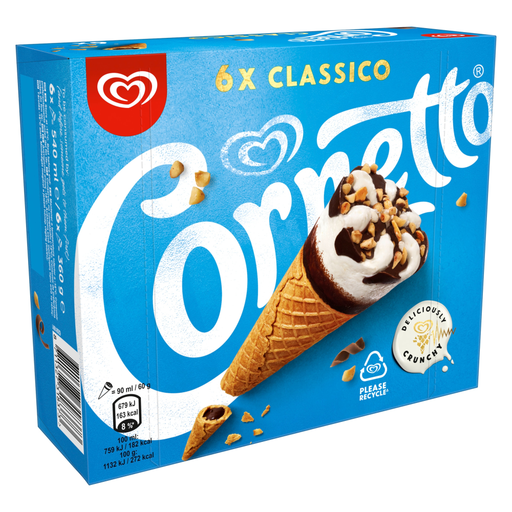 No image available
The six individual cones provide a defined dessert unit. Check the current pack’s nutrition and allergen panels before choosing one.
 No image available
Four individual cones suit serving dessert one unit at a time. Read the exact pack for portion nutrition and allergens.
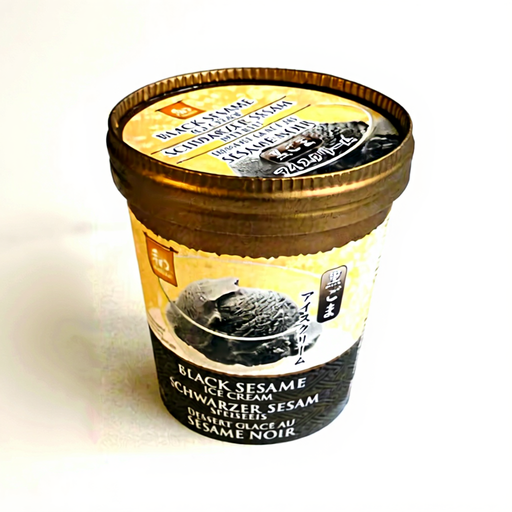 No image available
This tub suits a dessert you intend to serve into bowls. Check the pack’s serving information and allergens for the amount you dish out.
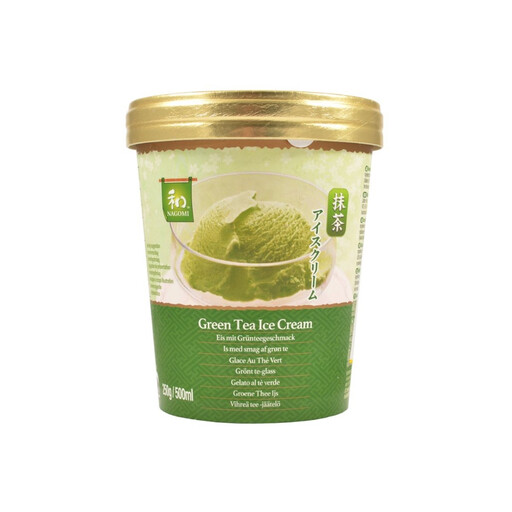 No image available
The tub format lets you serve dessert into bowls rather than take an individual cone. Compare the current pack’s nutrition figures with the portion you plan to serve, and check its allergens.
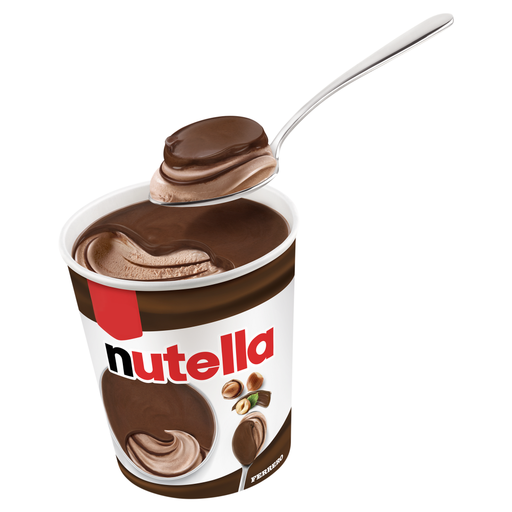 No image available
This tub is an option when you intend to dish out dessert portions. Read the current label for nutrition, ingredients and allergens rather than using the tub size as a serving size.
Do not make ice cream the basis of your training-food plan. The UK Sports Institute advises individualising food and fluids around running within a varied, balanced approach; a dessert’s carbohydrate figure alone does not establish that it meets a session’s needs.
An individual cone gives you a defined unit, while you decide how much to serve from a tub. Check the nutrition panel against the amount you actually eat: the NHS notes that a manufacturer’s stated portion may differ from yours.
Read the ingredients and precautionary allergen statement on the exact current pack, whether you choose a cone or tub. For example, ASDA Groceries lists milk, wheat and hazelnuts for Cornetto Classico, along with further possible allergens; another product may differ.
Check the physical pack before eating. Tesco Groceries warns that reformulation can change ingredients, nutrition and allergen information, so an earlier listing may not describe the pack you have.
Follow the storage instructions on the exact product pack. For example, Magnum Ice Cream UK specifies −18°C for its Classic product; check your chosen cone or tub rather than applying that instruction to every ice cream.