
24/7 Customer Support

Free returns

Same-day & Next-day Delivery

Quality Guaranteed

Unlock Your Welcome Offers: FREE Delivery | Up to 80% OFF | Free 30-day JoyPlus trial
Download the APP
Choosing ice cream and ice lollies can seem straightforward until you compare portion sizes, ingredients, allergens and freezer storage. A colourful multipack may look economical, while a premium-looking bar may offer fewer servings than expected. For UK households, the right choice depends on more than flavour: pack format, dietary suitability and how easily the treats can be stored and shared all matter.
A bigger box is not automatically cheaper per serving. Compare the number of portions and millilitres per item, rather than relying on the pack size alone. Mini ice creams may provide more individual servings for family sharing, while single larger bars can offer a more substantial dessert but fewer portions.
Phrases such as “fruit”, “tropical” or “light” describe flavour or positioning, not necessarily the complete nutritional profile. A fruit ice lolly can still contain added sugar, while a creamy frozen dessert may contain milk, coconut oil or other fat sources. Read the nutrition panel and ingredient list before buying, particularly when shopping for children.
Recipes can include milk, soya, peanuts, tree nuts, wheat or coconut. “Dairy-free” does not always mean suitable for every allergy, and products made in a facility handling allergens may carry additional warnings. Always check the latest packaging, especially when buying international products or repeat purchases.
Ice lolly multipacks range from small 45ml portions to fuller 90ml ice cream sticks. Smaller products can be useful for children, mixed preferences and portion control. Larger bars are more suitable when the treat is intended to replace a dessert.
For parties or busy households, individually wrapped items reduce handling and make it easier to distribute treats. Push-up tubes and squeeze formats can be engaging for children, but supervise younger children because packaging and sticks may present a choking risk.
Check whether the product is:
For example, some vegan lollies may still state that they may contain milk, nuts or cereals containing gluten. Likewise, coconut-based products are not automatically suitable for people avoiding coconut or soya.
Most products in this category should be stored at -18°C or below. Do not refreeze products once they have thawed, as repeated temperature changes can affect texture and food safety. Check the packaging for the best-before information and avoid buying boxes that appear damaged, soft or misshapen.
If ordering frozen treats online, consider freezer capacity and delivery timing. Leave enough space for the box to remain level and avoid placing it beside food that needs frequent access.
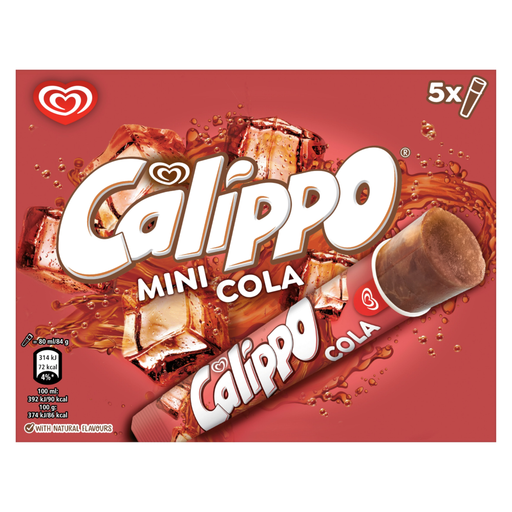
Why This Fits Their Persona: Five 80ml cola-flavoured lollies provide a familiar format for family freezers, with individual portions that are easy to hand out on warm afternoons.
The 5-pack makes the portion count clear, while the listed 72 kcal per 80ml portion helps shoppers compare it with larger ice cream sticks.
Five individual 80ml portions; cola flavour; store at -18°C.

Why This Fits Their Persona: This format suits adults and ice cream lovers who prefer layered chocolate, caramel, peanut and creamy ice cream textures.
The stated four-bar pack and approximate 171 kcal per bar make serving expectations easier to assess before purchase.
Chocolate coating, caramel and peanuts; four individually portioned bars; vegetarian product information provided.
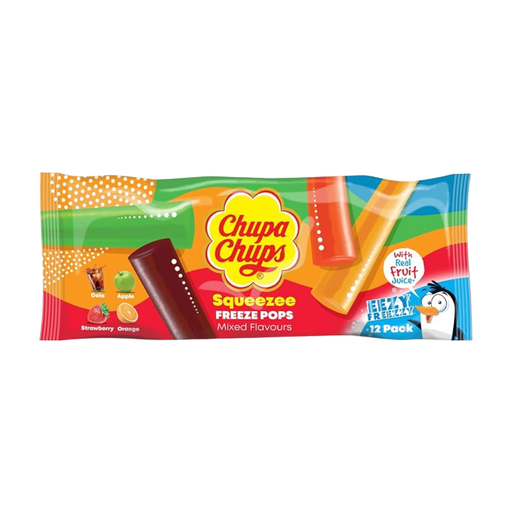
Why This Fits Their Persona: A 12-pack works for parties, playdates and households that need a generous supply of compact frozen treats.
The smaller 45ml format and mixed flavours help reduce waste when several people want different options.
Twelve 45ml pops; strawberry, apple, cola and orange flavours; product information states no major allergens.
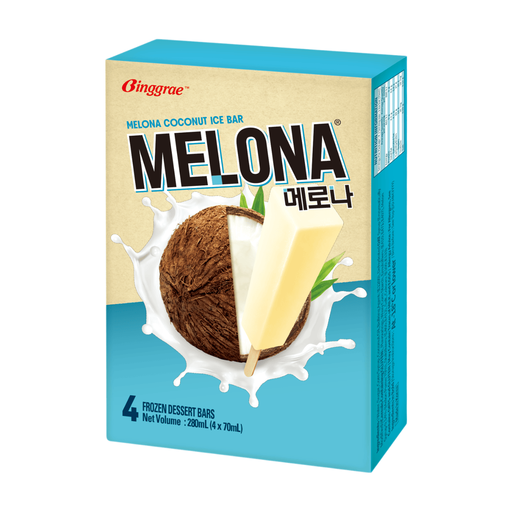
Why This Fits Their Persona: This Korean ice cream option suits shoppers seeking a smooth coconut flavour that differs from conventional UK vanilla and fruit lollies.
The 4 x 70ml format is clearly stated, and the product information identifies coconut milk and soya allergens for easier checking.
Four 70ml bars; coconut milk listed; product of South Korea.
We have compiled a complete, real-time list of products that fully satisfy these strict selection criteria and UK safety regulations.
Keep them frozen at -18°C or below, ideally in a stable part of the freezer rather than the door. Do not refreeze a product after it has thawed. Follow the individual packaging instructions because storage guidance can vary between products.
Mini formats can offer smaller portions, but suitability depends on ingredients, allergens and the child’s age. Supervise young children when eating products with sticks, tubes or hard pieces, and check the label for the latest safety information.
Not necessarily. A vegan product is generally made without animal-derived ingredients, while “dairy-free” focuses specifically on the absence of milk ingredients. Check for coconut, soya and possible cross-contact warnings before serving anyone with an allergy or dietary restriction.