
24/7 Customer Support

Free returns

Same-day & Next-day Delivery

Quality Guaranteed

Unlock Your Welcome Offers: FREE Delivery | Up to 80% OFF | Free 30-day JoyPlus trial
Download the APP
Buying ice cream multipacks online can make family desserts, garden gatherings and everyday freezer treats more convenient. However, pack size alone does not tell you whether a product suits your household. Flavour preferences, serving size, storage conditions and allergen information can all affect whether a purchase feels worthwhile.
This guide compares practical options, including ice cream cones, ice cream sticks, chocolate ice cream, vanilla ice cream and fruit ice lollies. The aim is to help UK shoppers filter out vague marketing language and select frozen desserts that fit their budget and routine.
A six-pack may appear cheaper than two three-packs, but the total volume can differ. For example, a pack of six 90ml cones contains 540ml, while a pack of three 100ml sticks contains 300ml. Compare price per portion and total millilitres, not only the number printed on the front.
Also consider whether everyone in the household will eat the flavour. A large pack of a niche flavour may occupy freezer space for longer than a smaller multipack with broader appeal.
Wafer cones commonly contain wheat and gluten, while chocolate or nut toppings may introduce milk, soya, hazelnuts, almonds or pistachios. Products with similar names can have different recipes, so do not rely on previous purchases.
For example, Cornetto Classico contains milk, wheat and hazelnuts, with several other nuts and soya listed as possible traces. Magnum White Chocolate is gluten-free according to the supplied product information, but contains milk and may contain almond and pistachio. Always check the current packaging before serving anyone with an allergy or intolerance.
A fruit-flavoured frozen dessert may contain less energy per portion than a chocolate-coated cone, but it remains a sweet treat. Solero Orange Burst and Solero Berry Bliss list approximately 98 and 97 calories per stick respectively, while a Magnum Classic lists 231 calories per 100ml. These figures are useful for comparison, but recipes and packaging can change.
Phrases such as “natural”, “premium” or “guilt-free” should not replace checking the nutrition panel, ingredients and portion size.
Match the format to how the products will be served:
A multipack should also be easy to store without crushing. Cones need room to remain upright or protected inside the box, while sticks are usually simpler to arrange in a freezer drawer.
Choose between creamy, coated and fruit-led formats:
Read the product description for the full construction. A “strawberry” product may contain strawberry flavour or purée, while a fruit-led stick may combine dairy ice cream, fruit sauce and an outer coating.
Frozen products should be stored at -18°C or below, where stated on the packaging. Do not refreeze ice cream once it has thawed. When ordering online, check that the delivery can be placed in your freezer promptly.
Avoid products with damaged packaging, visible deformation or signs of melting. Repeated thawing and refreezing can affect texture, even when the product remains within its date guidance.
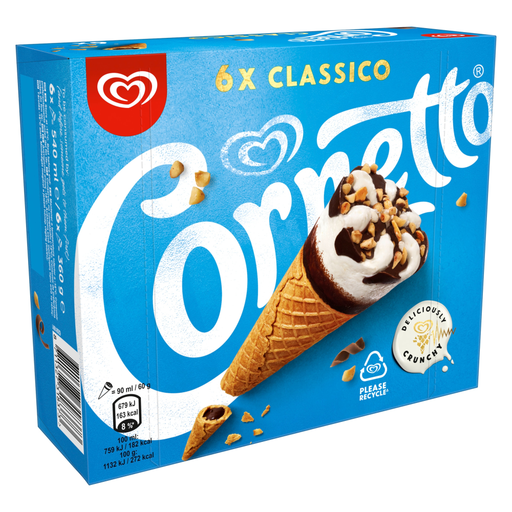
Why This Fits Their Persona: Six individual 90ml cones make a practical freezer option for families, shared desserts and planned summer treats.
The six-pack gives a clear 540ml total, making portion and volume comparisons straightforward.
Vanilla-flavoured ice cream, wafer cone, chocolate layer and chopped hazelnuts; 163 kcal per 90ml portion as listed.
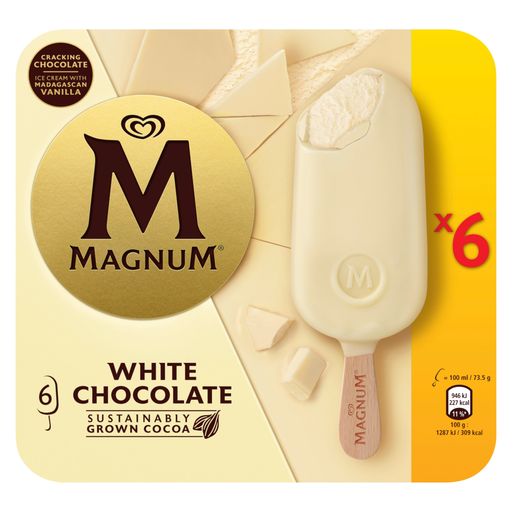
Why This Fits Their Persona: This suits shoppers seeking individually portioned vanilla ice cream with a substantial white chocolate coating for desserts or personal treats.
The listed 100ml portion size and 227 kcal per 100ml help prevent underestimating the serving.
Gluten-free according to the supplied product information; contains milk and may contain almond and pistachio.
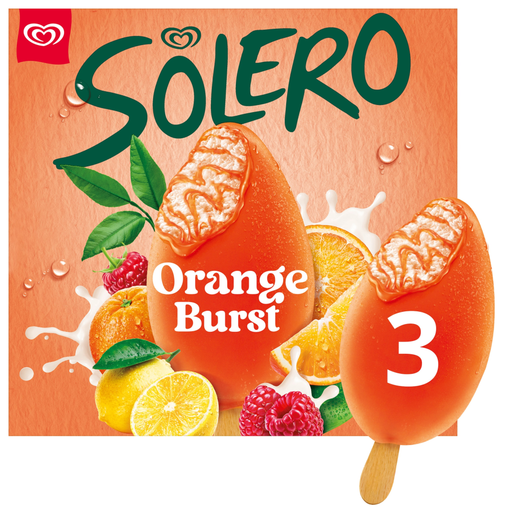
Why This Fits Their Persona: A three-portion pack combining orange ice cream, orange sorbet and a fruity coating suits shoppers who prefer sharper fruit flavours.
The pack states three portions and approximately 98 kcal per stick, making serving comparisons clearer.
Contains milk and is listed as gluten-free; store at -18°C or colder and do not refreeze after thawing.
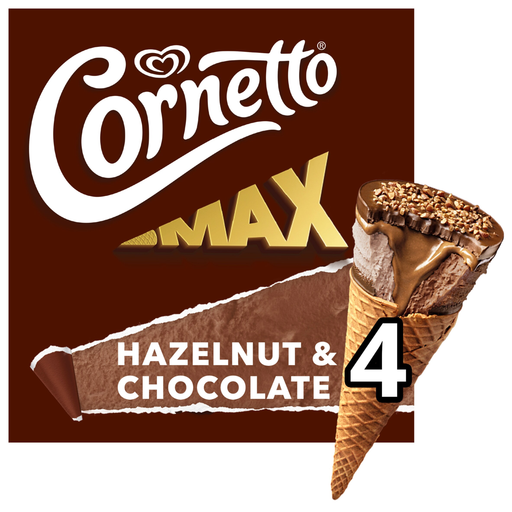
Why This Fits Their Persona: The layered cone format is suited to shoppers who want a more elaborate frozen dessert for weekend treats or after-dinner serving.
The description clearly identifies hazelnut, wheat and milk allergens instead of leaving the topping composition unclear.
Pistachio and vanilla ice creams, salted hazelnut sauce, chocolate-style wafer coating and a 227 kcal per 90ml serving listing.
We have compiled a complete, real-time list of products that fully satisfy these strict selection criteria and UK safety regulations.
They can reduce the cost per portion, but this depends on the pack price, total volume and delivery charges. Compare the price per cone or stick as well as the price per 100ml. A larger multipack is only practical if your household will use it before the date and freezer quality declines.
Follow the best-before guidance on the packaging and keep the freezer at the stated temperature, commonly -18°C or below. Keep the box closed to reduce freezer burn and do not refreeze products that have thawed. Product texture may change if the freezer temperature fluctuates frequently.
Fruit-led options such as Solero Berry Bliss and Solero Orange Burst list approximately 97–98 calories per stick in the supplied information. These are still frozen desserts containing sugars, so compare the complete nutrition panel rather than relying on front-of-pack wording. Always check the latest label, particularly when buying for children or anyone with dietary requirements.