Buyers serving several colleagues
If one flavour will serve the lunchtime group, estimate portions before choosing a 1.8–2L sharing tub. The larger format also needs enough freezer space and a workable scooping arrangement.


Choose a 1.8–2L tub when several colleagues are likely to take a portion of the same flavour and the canteen can keep it properly frozen. A 900–950ml tub gives a moderate group more flexibility, while smaller tubs can add a separate flavour without opening another large one. Check expected portions, the exact product label and the serving arrangements before ordering.
If one flavour will serve the lunchtime group, estimate portions before choosing a 1.8–2L sharing tub. The larger format also needs enough freezer space and a workable scooping arrangement.
When attendance varies or two flavours matter, a 900–950ml tub or several smaller tubs may fit the service plan better than opening multiple large tubs.
Each flavour needs its own current ingredient and allergen information. The Food Standards Agency advises food businesses serving non-prepacked food to provide written allergen information supported by a conversation; utensils and shared service also need attention.
Start with the likely number of portions and whether one flavour will do. Then check the selected tub and the canteen’s storage and serving arrangements.
Choose when: Several colleagues are likely to take a portion of one flavour and there is room to store the tub frozen.
Consider: Uncertain turnout could leave more of an opened tub, and a second flavour means opening another pack.
Choose when: Demand is moderate or two flavours would be more useful than one large tub.
Consider: Check whether the planned number of tubs will cover the expected portions.
Choose when: A small team wants dessert or the canteen needs an additional flavour or labelled dietary option.
Consider: Serving a larger group may require several tubs; a dietary description alone cannot establish allergen suitability.
| Priority | What to check | Your needs |
|---|---|---|
| Portions | Estimate how many people will be served and compare the tub volumes: 1.8–2L, 900–950ml or approximately 420–500ml. Check how many flavours will be opened. | If the group is likely to choose one flavour, I can plan around a larger tub. With uncertain turnout, I would rather open smaller quantities. |
| Allergen information | Read the current ingredients and allergen declaration for each flavour. For non-prepacked service, follow the Food Standards Agency’s advice to provide written allergen information supported by a conversation. | I need diners and serving staff to be able to check the particular tub, rather than assume every flavour from one brand has the same ingredients. |
| Frozen storage | Check the chosen pack’s storage temperature and instructions after thawing. Confirm that the freezer has space and that its temperature can be monitored. | A larger tub only works for our lunch service if we can store it as its label directs until it is needed. |
| Serving format | Confirm that the item is a scoopable tub, not sticks or bars. Plan utensils and serving arrangements to limit cross-contact between flavours. | If colleagues will serve themselves from a shared tub, individually portioned products would require a different service plan. |
The Sainsbury’s Magnum range checked for this topic showed sticks and minis. Those products would change how a canteen portions and serves dessert; the range shown does not establish what other retailers stock.
Confirm the exact pack format before ordering rather than using a brand name as shorthand for a sharing tub.
Ingredients differ between flavours, while shared utensils can create cross-contact. The Food Standards Agency advises written allergen information supported by a conversation for non-prepacked food.
Keep the current label or supplier specification for each flavour accessible to staff, and plan how scoops and tubs will be handled during service.
Frozen storage instructions apply to the individual product. For example, the M&S Raspberry Ripple label specifies storage at −18°C and says not to refreeze; Food Standards Agency MyHACCP guidance calls for adequate frozen storage and temperature monitoring.
Check capacity and each pack’s instructions before settling on tub size or the number of flavours.
These retailer and brand references help identify formats to check; a brand name alone does not establish the ingredients or suitability of an individual tub.
Tesco Groceries lists a Tesco Cornish Ice Cream 2 Litres tub alongside smaller branded tubs.
Sainsbury’s listings include a 2L own-label vanilla soft-scoop tub and smaller branded tubs.
Tesco Groceries lists a 465ml Ben & Jerry’s Chocolate Fudge Brownie tub, a smaller format than the listed 1.8–2L sharing tubs.
The Marks & Spencer tub range shown includes 500ml Collection products and 320g Plant Kitchen products.
The Sainsbury’s Magnum range checked showed sticks and minis rather than a scoopable sharing tub.
These Joybuy options comprise two 900ml tubs and two smaller tubs. Consider them for moderate demand, a small team or an additional flavour; plan separately if the lunch requires a 1.8–2L tub.
 No image available
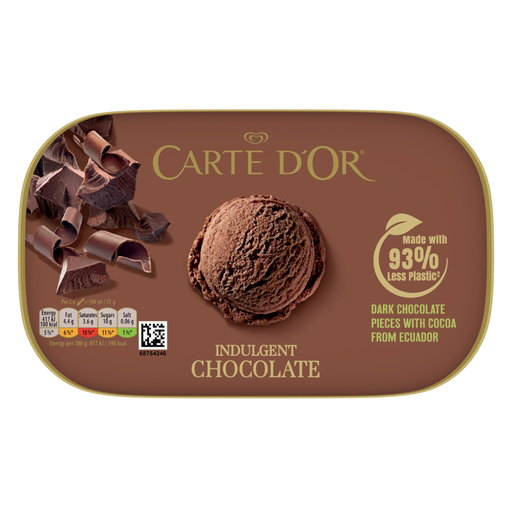
The 900ml tub is a mid-size choice when demand is moderate or chocolate is one of two flavours. Check its current allergen declaration and frozen-storage instructions before shared service.
 No image available
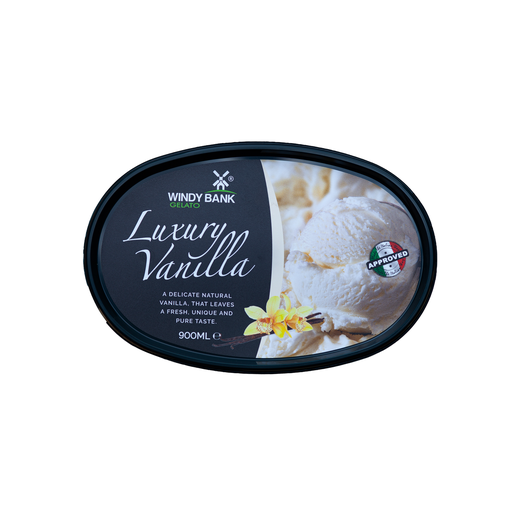
This 900ml vanilla option fits a moderate group or a two-flavour plan. Check the pack’s allergen declaration and storage directions, and make sure the serving arrangements suit a shared tub.
 No image available
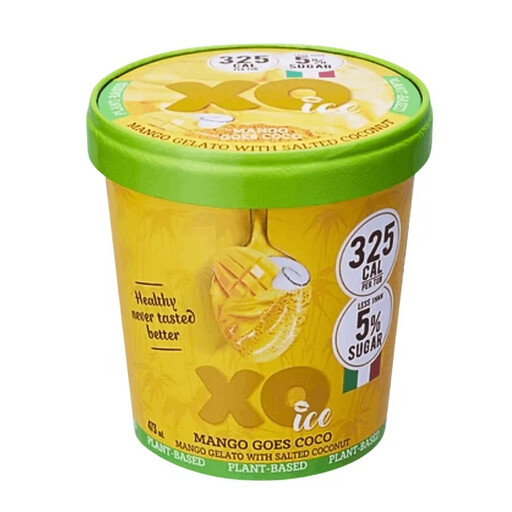
The 473ml tub offers a smaller mango-and-coconut choice. Its plant-based description does not establish suitability for an individual allergy: check the current label and plan separate serving utensils where needed.
 No image available
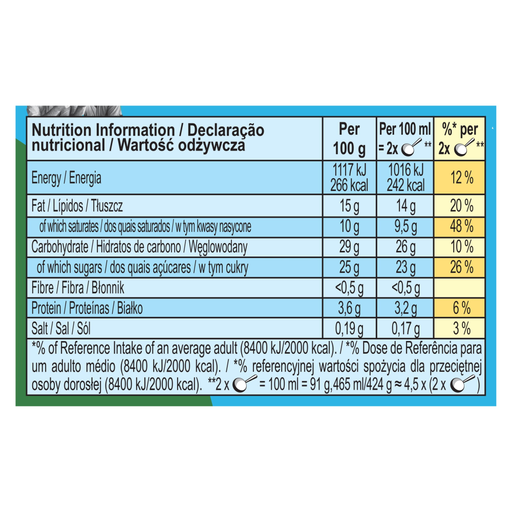
The 465ml caramel tub is a smaller-format option for a small team or an additional flavour, rather than a single tub for a larger group. Check its own allergen label and frozen-storage directions before serving.
Choose around expected portions and flavours: a 1.8–2L tub fits several colleagues sharing one flavour, while 900–950ml can suit moderate demand or a two-flavour plan. A 420–500ml tub is more suited to a small group or an additional option; check that the total quantity and freezer space match the lunch service.
Keep current information for each flavour accessible to the people serving it. The Food Standards Agency advises businesses providing non-prepacked food that written allergen information, supported by a conversation, works best for consumers. Check the particular product rather than relying on a brand name, and consider cross-contact from shared utensils.
Do not decide from the plant-based wording alone. Read the selected product’s current ingredient and allergen declaration and consider how it will be served alongside other flavours; the label and shared-service arrangements both matter to an individual diner’s choice.
Follow the instructions on each tub and check that the freezer can maintain and monitor the required conditions. The M&S Raspberry Ripple label specifies storage at −18°C and says not to refreeze; those instructions should not be assumed to be identical for every product.