For an ice lolly that fits an existing carbohydrate-counting plan, compare total carbohydrate for the lolly you will eat, then check its size and the number in the pack. Asda Groceries lists 5.0g carbohydrate per 35ml Wall's Mini Milk, while Sainsbury's lists 9.3g per 50ml Twister Mini Pineapple; those different portions do not make either product suitable for everyone. Check the current pack's nutrition and allergens rather than relying on a fruit flavour or sugar-related claim.
Who needs to check the portion?
The most useful pack detail depends on whether you are counting carbohydrates, sharing a multipack or checking ingredients for someone else.
Adults who count carbohydrates
Look for total carbohydrate for the portion you will eat, not just the “of which sugars” figure. East Lancashire Hospitals NHS Trust advises using total carbohydrate for carbohydrate counting; individual diabetes-management advice remains specific to you.
Households sharing a multipack
Check how many lollies are in the pack and whether the nutrition information describes one lolly. A fruit image or children's-range description cannot tell you how much carbohydrate is in each portion.
Parents choosing a treat for a child with diabetes
A clearly stated portion can be compared with the child's existing plan. Check the exact pack's carbohydrate and allergen information; East Lancashire Hospitals NHS Trust advises using total carbohydrate, rather than sugars alone, when counting carbohydrates.
What matters when choosing?
Start with the portion and its total carbohydrate, then compare pack formats and check the ingredients you need to avoid.
| Priority | What to check | Your needs |
|---|
| Carbohydrate per lolly |
Find total carbohydrate for the stated portion. Check whether that portion equals one lolly and note its size in ml or g. |
I count carbohydrates, so I need the figure for what I will actually eat. East Lancashire Hospitals NHS Trust advises using total carbohydrate rather than the “of which sugars” line. |
| Pack and portion size |
Compare the number of lollies and the size of each one. Asda Groceries lists Mini Milk as 10 × 35ml; Sainsbury's lists Twister Mini Pineapple as 6 × 50ml. |
When I share a pack, I want to know what one lolly contributes, not assume that two differently sized minis are equivalent. |
| Front-of-pack claims |
Read the full nutrition label alongside any sugar-related wording. If sweeteners are listed, check the ingredients too. |
A “sugar-free” or fruit-flavoured description alone does not answer my carbohydrate-counting question. Diabetes UK notes that polyols can contain carbohydrate and calories. |
| Allergens |
Read the declaration for the exact flavour and pack, including “may contain” statements. Check it again if you buy a different variant. |
Someone in my household needs an allergen check, so I cannot treat a fruit flavour as confirmation that a lolly is free from milk, nuts or soya. |
What can make a comparison misleading?
-
Treating a sugar claim or fruit flavour as a suitability label
“Of which sugars” is only part of the total-carbohydrate figure used for carbohydrate counting. Diabetes UK also notes that polyols can contain carbohydrate and calories.
Check total carbohydrate for the portion you intend to eat and use your established diabetes-management advice.
-
Comparing multipacks without checking the individual lolly
Asda Groceries lists Mini Milk as 10 × 35ml with 5.0g carbohydrate per lolly; Sainsbury's lists Twister Mini Pineapple as 6 × 50ml with 9.3g per serving. Both pack count and portion size differ.
Check the per-lolly nutrition and pack count together before deciding which format meets your needs.
-
Relying on an older online product description
Tesco Groceries warns that food products can be reformulated. An earlier description may therefore differ from the pack you have.
Use the current physical pack for nutrition, ingredients and allergens, particularly when counting carbohydrates or managing an allergy.
-
Assuming a fruit-flavoured lolly has no dairy or other allergens
Flavour and appearance do not establish a product's allergen status. A different flavour or variant needs its own check.
Read the exact pack's allergen declaration, including any “may contain” wording, before serving it to someone with a relevant allergy.
Which brands and retailers offer useful references?
These product lines and retailer listings illustrate different pack formats; a retailer reference is not a recommendation for every product it sells.
Wall's
Calippo Mini, Twister Mini and Mini Milk provide different ice-lolly and dairy-mini formats.
- Asda Groceries lists 5.0g total carbohydrate per 35ml Mini Milk; Sainsbury's lists 9.3g per 50ml Twister Mini Pineapple.
- Those figures apply to the named products and portions, not to every Wall's lolly. Check the exact pack before comparing another flavour or size.
Tesco
Tesco Groceries lists own-label ice pops alongside branded multipacks, offering different pack formats to examine.
- Its ice-lolly category lists Tesco Ice Pop Ice Lollies in a 6 × 73ml pack.
- A category listing does not establish the carbohydrate in each lolly; use the exact product's current label.
Asda
The Asda Groceries listing for Wall's Mini Milk gives a stated portion and nutrition figure in one product listing.
- The listed 10 × 35ml pack states 5.0g total carbohydrate per lolly.
- That figure describes this Mini Milk pack, not other ice lollies listed by Asda.
Joybuy frozen-treat options
These options include ice-bar and ice-lolly multipacks, plus one related ice-cream-bar pack. Compare each pack's current portion label with your carbohydrate-counting plan; the ice-cream bars are not ice lollies.
 No image available
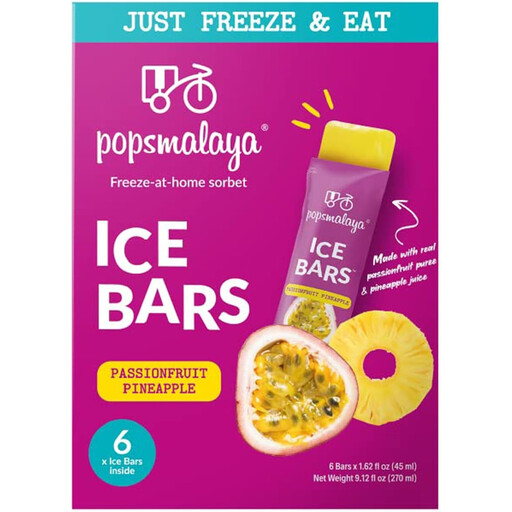
PopsMalaya Passion Fruit Pineapple Ice Bars, 6 × 45ml
The six-bar format gives you individual 45ml portions to compare with other multipacks. Check the current pack's total carbohydrate per bar and allergen declaration before using its figures in a diabetes plan.
View on Joybuy
 No image available
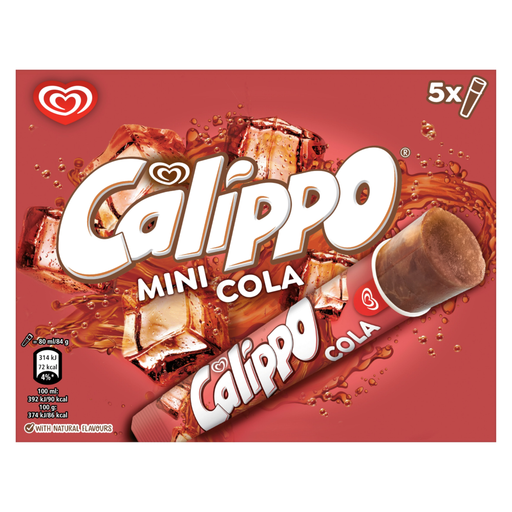
Wall's Calippo Mini Cola Ice Lollies, 5 × 80ml
For this five-lolly cola pack, compare the total carbohydrate for one 80ml lolly with the portion you intend to eat. Read the current allergen statement as well; a water-ice-style format does not settle an allergy question.
View on Joybuy
 No image available
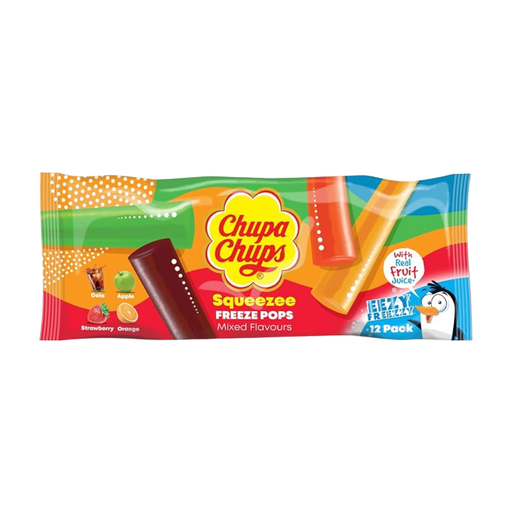
Chupa Chups Squeezee Freeze Pops Mixed Flavours, 12 × 45ml
This mixed-flavour pack contains twelve 45ml pops. If the pack will be shared, check the current carbohydrate figure for one pop and the allergen information for the product rather than judging it by the pack size.
View on Joybuy
 No image available
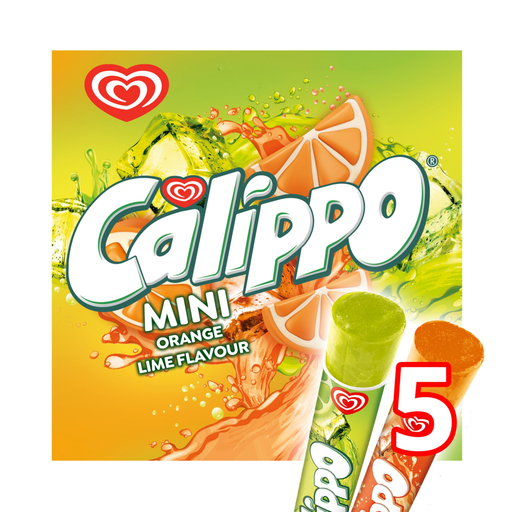
Wall's Calippo Mini Orange & Lemon-Lime, 5 × 80ml
The five-lolly pack offers Orange and Lemon-Lime flavours. Before using a per-portion carbohydrate figure, confirm on the current pack which flavour it describes and whether one declared portion equals one 80ml lolly.
View on Joybuy
No image available
Snickers Chocolate Peanut Ice Cream Bars, 4 × 45.6g
These are ice-cream bars rather than ice lollies, so compare them only if that alternative interests you. The pack contains four 45.6g bars; check its current per-bar carbohydrate and allergen information before deciding whether it fits your requirements.
View on Joybuy
Common questions
Is a “sugar-free” ice lolly automatically suitable for someone with diabetes?
No. A sugar-related claim does not replace the total-carbohydrate figure needed for carbohydrate counting. Diabetes UK notes that polyols can contain carbohydrate and calories and advises people adjusting insulin doses to seek individual advice; use the full label alongside your own plan.
Should I use sugars or total carbohydrate when counting carbohydrates?
Use total carbohydrate for the portion you will eat. East Lancashire Hospitals NHS Trust advises using that figure rather than substituting the “of which sugars” line.
How do I compare multipacks with different-sized lollies?
Check the number of lollies, the size of one lolly and its total carbohydrate. Asda Groceries lists Wall's Mini Milk as 10 × 35ml with 5.0g carbohydrate per lolly, while Sainsbury's lists Twister Mini Pineapple as 6 × 50ml with 9.3g per serving; these are different portion sizes, not interchangeable per-lolly figures.
Are fruit-flavoured ice lollies free from milk and other allergens?
Not necessarily. A fruit flavour does not establish an allergen status, so read the declaration on the exact flavour and pack, including any “may contain” statement. Check it again when buying a different variant or a newly labelled pack.


