For one ice lolly, compare the total carbohydrate in the whole portion you will eat rather than relying on a small size, fruit description or “diabetic friendly” wording. Tesco Groceries lists 5g per Wall’s MiniMilk Vanilla 35ml lolly, 13g per Rowntree’s Fruit Pastilles 65ml lolly and 24g per Calippo Orange 105ml lolly; Diabetes UK notes that the amount that fits a person’s carbohydrate plan varies.
Who is this comparison for?
The useful comparison is the carbohydrate in the portion actually eaten, alongside any ingredients or allergens that matter to you.
People who count carbohydrate
Diabetes UK advises checking total carbohydrate and notes that insulin-to-carbohydrate ratios differ between individuals. A figure per 100g or per serving is useful only once you know how it relates to the whole lolly you intend to eat.
People with diabetes choosing an occasional lolly
No product name or format establishes that a lolly suits everyone. Compare its complete-portion carbohydrate amount with your own food plan rather than assuming that fruit ice or a milk lolly has a particular value.
Shoppers considering mini lollies
A smaller format can make the portion easier to identify, but it does not establish its carbohydrate amount. Check the exact flavour and recipe, as well as the ingredients and allergen statement on the current pack.
What should you check before choosing?
Start with the complete lolly’s total carbohydrate, then check whether the stated serving matches the portion you will eat. Treat sugars, calories and front-of-pack traffic lights as separate information, not substitutes for that figure.
| Priority |
What to check |
Your needs |
| Total carbohydrate |
Find total carbohydrate for one complete lolly. If the label gives only a serving or per-100g value, establish how much of the product you will eat before using it. |
I want to know the carbohydrate in my actual portion, not just the amount printed for a different serving. Diabetes UK identifies total carbohydrate as the relevant label figure for carbohydrate counting. |
| Portion size |
Check the lolly’s size and the nutrition panel’s serving definition. Tesco Groceries lists 5g carbohydrate per 35ml Wall’s MiniMilk Vanilla lolly, 13g per 65ml Rowntree’s Fruit Pastilles lolly and 24g per 105ml Calippo Orange lolly. |
A mini lolly might fit the portion I have planned, or I might choose a larger fruit ice. I need to compare the whole items rather than assume their different sizes have the same carbohydrate amount. |
| Label detail |
Read the detailed total-carbohydrate line rather than using only “of which sugars”, calories or a front-of-pack traffic light. Diabetes UK notes that front-of-pack traffic lights do not show carbohydrate. |
If a fruit description or sugar label catches my eye, I still want the total-carbohydrate figure before deciding. |
| Ingredients and allergens |
Check the current pack for milk and precautionary allergen statements, including when comparing fruit ice with milk-based lollies. Ingredients can differ between products and recipes. |
Carbohydrate is not my only check: I also need the exact product’s ingredients and allergen information to suit my circumstances. |
| Homemade portions |
If making a lolly from a drink, check that drink’s label and any added ingredients. Work out the amount used in each mould rather than assuming that a homemade or fruit-based lolly contains no carbohydrate. |
Making my own lets me choose the ingredients, but I still need to account for the recipe and the size of the lolly I make. |
What can make a label misleading?
-
Reading “fruit ice” or “gluten-free” as a carbohydrate claim
Those descriptions answer different questions. Tesco Groceries lists 24g carbohydrate for a complete 105ml Calippo Orange lolly, regardless of its fruit-ice format.
Check total carbohydrate for the whole lolly first, then use ingredients, allergens and other nutrition information for your remaining checks.
-
Counting only “of which sugars”
The sugars figure is not the total-carbohydrate figure. Diabetes UK advises using total carbohydrate for carbohydrate counting and notes that front-of-pack traffic lights do not display it.
Read the detailed nutrition panel and confirm that its serving corresponds to the amount you will eat.
-
Assuming all mini lollies have the same values
Tesco Groceries lists 5g carbohydrate for one 35ml Wall’s MiniMilk Vanilla lolly. That value does not establish the carbohydrate in another Wall’s product, flavour or recipe.
Use the current panel for the exact lolly, and check what the stated serving means before counting a whole one.
-
Letting the carbohydrate figure crowd out allergen checks
Tesco Groceries lists milk and precautionary allergen statements for MiniMilk Vanilla; its Rowntree’s Fruit Pastilles listing also carries precautionary allergen statements. Fruit flavour alone does not settle an allergen question.
If allergens matter to you, read the ingredients and allergen statement on the exact current pack.
Which product lines are relevant?
These product references illustrate different portion sizes and label checks; a figure for one named lolly should not be applied to another.
Wall’s MiniMilk Vanilla
A 35ml milk lolly with a stated whole-lolly carbohydrate value.
- Tesco Groceries lists 5g carbohydrate, including 4.2g sugars, per 35ml lolly.
- It contains milk and carries precautionary statements for nuts, peanuts, pistachio nuts and soya; check the current pack before choosing it.
Rowntree’s Fruit Pastilles Lollies
A 65ml fruit-flavoured lolly for comparison by complete portion rather than flavour description.
- Tesco Groceries lists 13g carbohydrate, including 11.5g sugars, per 65ml lolly.
- The listing says it may contain peanuts, nuts and milk.
Calippo Orange
A 105ml fruit ice lolly with a larger stated portion than the two preceding examples.
- Tesco Groceries and Sainsbury’s list 24g carbohydrate, including 17g sugars, per 105ml lolly.
- Sainsbury’s says it may contain milk. Its fruit-ice description does not change the labelled carbohydrate amount.
Twister Mini Tropical
A 50ml mini ice-cream and fruit-ice format described by Tesco Groceries.
- The Tesco listing identifies a 50ml portion and a milk-containing recipe.
- Check total carbohydrate for the exact current pack before comparing it with the other lollies; its size alone cannot supply that figure.
Single-bar options on Joybuy
These frozen bars and mini lollies offer different individual portions within multipacks. Compare the current pack’s total carbohydrate for one complete bar or lolly before deciding whether that portion fits your plan.
 No image available
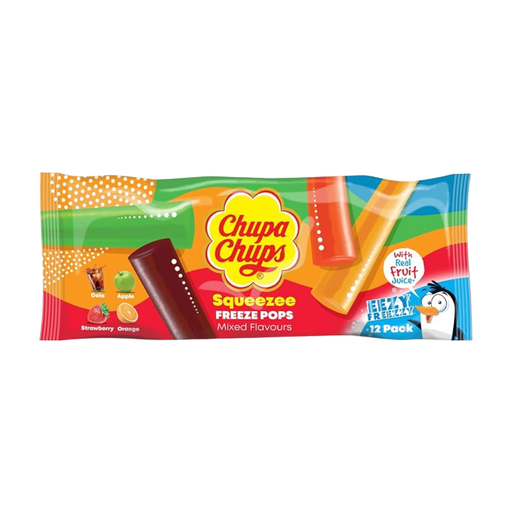
Chupa Chups Squeezee Freeze Pops Mixed Flavours, 12 × 45ml
For a single frozen pop from a mixed-flavour multipack, the stated size is 45ml per pop. Check the current pack’s total carbohydrate for one complete pop and its ingredients before choosing a flavour.
View on Joybuy
 No image available
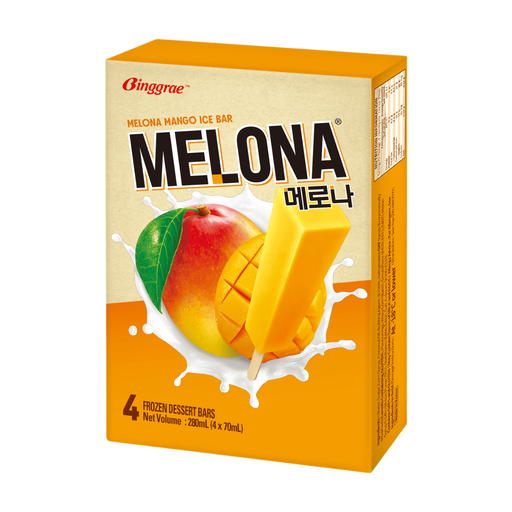
Melona Mango Ice Bar, 4 × 70ml
Each mango ice bar is stated as 70ml. If you plan to eat one bar, check how the current pack’s carbohydrate value relates to that full 70ml portion and review its allergen statement.
View on Joybuy
 No image available
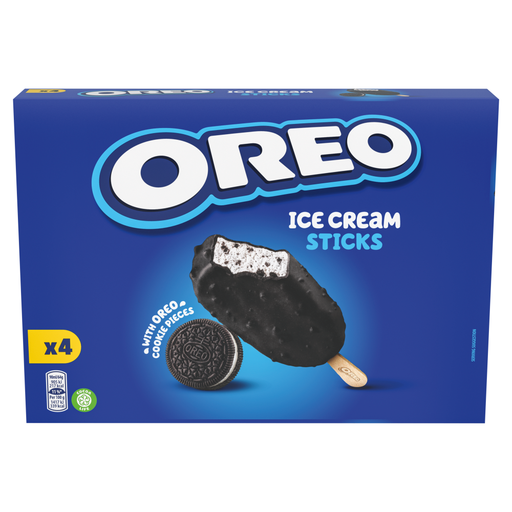
Oreo Ice Cream Sticks, 4 × 90ml
The pack contains four sticks stated as 90ml each. For a one-stick portion, use the current nutrition panel’s total carbohydrate for a complete stick and check the ingredients and allergens separately.
View on Joybuy
 No image available
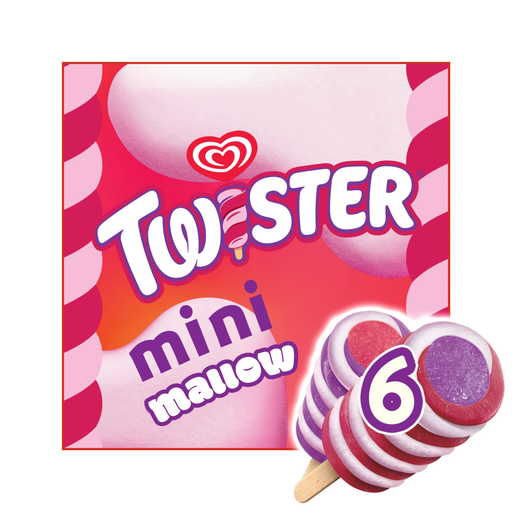
Twister Mini Mallow Ice Cream Lollies, 6 × 50ml
This is a pack of six mini lollies stated as 50ml each. Before using a per-serving carbohydrate figure for one lolly, confirm on the current pack that the serving is one complete 50ml lolly; check its allergen statement too.
View on Joybuy
 No image available
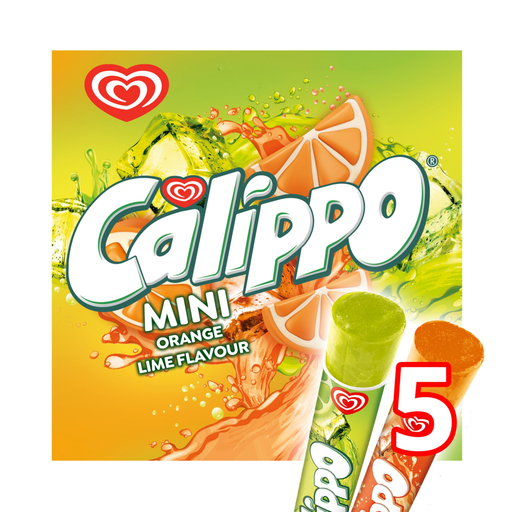
Wall’s Calippo Mini Orange & Lemon-Lime, 5 × 80ml
This mixed citrus pack states five 80ml lollies. Check the current pack for the chosen flavour’s total carbohydrate and confirm that its stated nutrition portion equals one whole lolly before comparing it with another bar.
View on Joybuy
Questions about ice-lolly portions
Is any ice lolly automatically suitable for someone with diabetes?
No single lolly is suitable for everyone on the basis of its name, size or flavour. Check the total carbohydrate in the whole portion against your individual food plan; Diabetes UK notes that carbohydrate needs and insulin-to-carbohydrate ratios differ between people.
Should I compare sugars or total carbohydrate?
Use total carbohydrate when counting carbohydrate, rather than only the “of which sugars” figure. Diabetes UK advises checking the detailed nutrition panel because front-of-pack traffic lights do not show carbohydrate; also confirm that the serving listed equals the amount you will eat.
Are fruit ice lollies lower in carbohydrate than milk lollies?
The flavour or format does not establish that comparison. Tesco Groceries lists 5g carbohydrate per Wall’s MiniMilk Vanilla 35ml lolly, 13g per Rowntree’s Fruit Pastilles 65ml lolly and 24g per Calippo Orange 105ml lolly. Compare the exact products and complete portions rather than applying those figures to other milk or fruit lollies.


