Groups stopping early on a short walk
A picnic-style stop can accommodate a few individually portioned lollies if the group can carry a cooler with cold sources and eat them while they remain frozen.


For a long or uncooled hike, choose a snack that does not need freezing rather than an ice-lolly multipack. Frozen lollies are a more practical option for a short group stop if you can carry a cooler with cold sources, keep the lollies frozen and eat them early. Choose the pack by the number of people, portion size and each eater’s dietary requirements—not by pack count alone.
Whether a multipack belongs on the outing depends chiefly on when it will be eaten and how it will stay frozen.
A picnic-style stop can accommodate a few individually portioned lollies if the group can carry a cooler with cold sources and eat them while they remain frozen.
Multipacks offer separate portions for eating at home or after school. Compare the exact pack’s ingredients, allergen statement and nutrition information when choosing for different eaters.
If there is no dependable way to keep lollies frozen, take a snack that does not require freezing and leave the multipack for after the walk.
Choose this when: You cannot carry a cooler with cold sources or will be walking for hours before the snack break.
Trade-off: A snack that does not need freezing is easier to carry, but it will not provide a frozen treat on the trail.
Choose this when: The group can pack cold sources, keep the cooler closed and eat the lollies early.
Trade-off: Individually portioned lollies are straightforward to share, but the cooler and its cold sources add carrying weight.
Choose this when: Having several frozen portions available matters more than eating them during the walk.
Trade-off: You avoid carrying a frozen pack on the trail, but need freezer storage until it is served.
| Priority | What to check | Your needs |
|---|---|---|
| Keeping lollies frozen | Check whether you can carry a cooler with cold sources and eat the lollies early. FoodSafety.gov advises using a cooler thermometer to check that cold foods stay at 4°C or below; ice lollies also need to remain frozen. | If my snack break is hours away and I have no cooler, I need something that does not require freezing. |
| Pack and portion size | Compare both the number of lollies and the volume of each. Retailer-listed examples include Mini Milk 12 x 35ml at Tesco, Twister Mini 10 x 50ml at Tesco and Calippo Mini 5 x 80ml at Sainsbury’s. | For a small group, I want enough portions for the people coming without carrying a larger frozen pack than we will eat at the stop. |
| Ingredients and allergens | Read the declaration on the exact flavour and pack. ASDA’s Twister Mini Tropical listing, for example, states that it contains milk and may contain nuts, almonds and soya. | Someone in our group needs the ingredients checked; a fruit flavour or small portion does not answer an allergy question. |
| Nutrition per portion | Use the chosen pack’s nutrition panel and its stated serving size. Check the figures for each flavour if a mixed pack gives separate values. | For an after-walk treat, I want to compare what one lolly contains, rather than assume all mini lollies have the same nutrition. |
Without dependable cold storage, lollies can melt before the planned stop. The size of the pack does not solve that carrying problem.
For a long or uncooled route, choose a snack that does not need freezing. For a short stop, pack frozen lollies with cold sources, keep the cooler closed and eat them early.
The cooler and cold sources also add weight to what the group must carry.
A 12 x 35ml pack, a 10 x 50ml pack and a 5 x 80ml pack offer different numbers and sizes of portions.
Count the eaters, compare millilitres per lolly and consider how much frozen space the pack will occupy in your cooler.
Ingredients vary by product. ASDA’s Twister Mini Tropical listing states that it contains milk and may contain nuts, almonds and soya; a small serving size does not change its allergen declaration.
Check the current ingredients, allergen statement and per-portion nutrition on the exact pack, particularly when changing flavour or format.
The Department of Health & Social Care’s retail-promotion guidance applies to businesses operating in and selling to England. The Department for Education’s school-food guidance addresses food provided in state-funded schools in England; these are distinct settings, not a UK-wide rule covering every ice lolly.
For school catering decisions, check the rules for the relevant nation and setting alongside the specific product, rather than treating an HFSS description as a blanket school-meal decision.
These examples help distinguish pack formats; retailer listings and exact product labels remain important when selecting a particular flavour.
A fruit-ice tube option for people choosing that format rather than a milk-ice lolly.
A line with different mini multipack formats, including Tesco’s 10 x 50ml Mini Pineapple listing.
A milk-ice option when a 35ml individual portion suits the planned serving.
A grocery retailer whose listings provide examples of branded and own-label frozen multipacks.
A grocery retailer with own-label and branded ice-lolly pack formats.
These frozen multipacks are options for a short group stop with dependable cooler storage or for keeping in the freezer at home. None replaces a snack that can be carried without cooling on a long hike.
 No image available
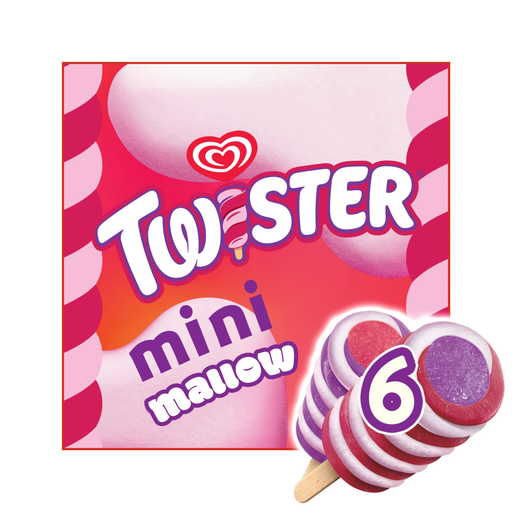
Six 50ml portions give a small group one lolly each. For an outdoor stop, carry the pack with cold sources and eat it while the lollies remain frozen; check the current pack’s allergen statement for each eater.
 No image available
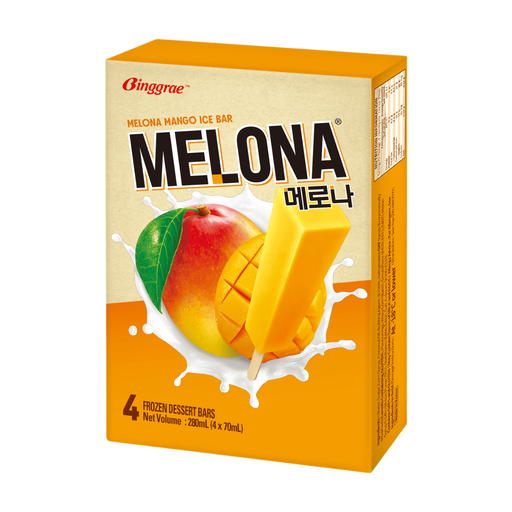
Four 70ml mango bars fit a four-person serving plan if they can be kept frozen until the stop. Check the exact pack label for ingredients and allergens, particularly when choosing for someone with an allergy.
 No image available
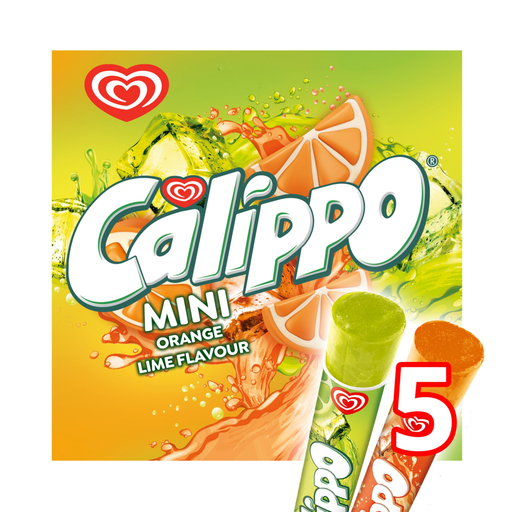
This five-pack offers 80ml fruit-ice tubes for a small group. Allow for the individual portion size in your cooler, and plan to eat them while they remain frozen rather than carrying them through a long walk.
 No image available
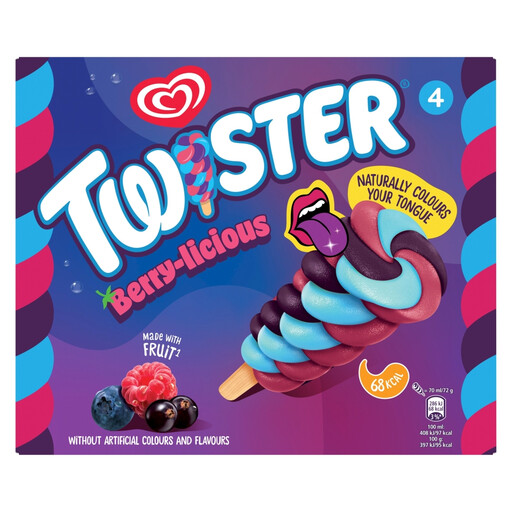
Four 70ml berry lollies provide a defined portion count for a short group stop. Keep them frozen until serving, and check the current pack’s allergen information if sulphites are a concern.
 No image available
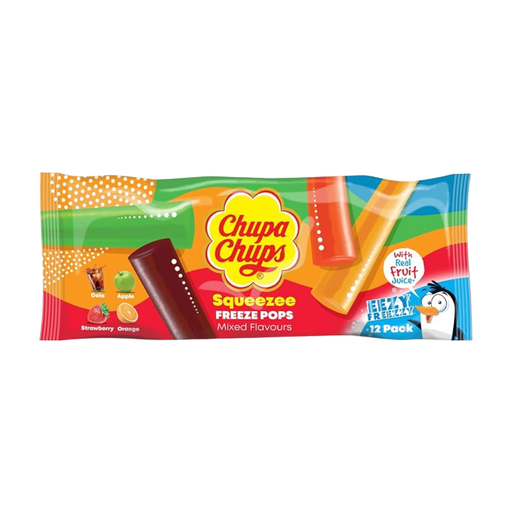
Twelve 45ml freeze pops give a larger group separate portions, but may be more than a small walking party will eat. Check that the whole pack fits alongside the cold sources needed to keep it frozen, and read the exact pack label for dietary requirements.
Take one only for a short outing where you can keep it frozen in a cooler with cold sources and eat it early. For a long walk without that storage, choose a snack that does not need freezing.
Pack them frozen in an insulated cooler with cold sources, keep the cooler shaded and closed, and take out only the portions being eaten. FoodSafety.gov advises using a thermometer to check that cold foods in a cooler stay at 4°C or below; the lollies themselves need to remain frozen.
Match the number of lollies to the eaters and the space available in your cooler. Retailer-listed examples include Calippo Mini 5 x 80ml at Sainsbury’s, Twister Mini Pineapple 10 x 50ml at Tesco and Mini Milk 12 x 35ml at Tesco; compare the portion volume as well as the count.
No. A gluten-free claim does not tell you whether a product contains milk or has other allergen warnings. ASDA’s Twister Mini Tropical listing states that it contains milk and may contain nuts, almonds and soya; read the current label for the exact flavour and pack.
An HFSS description alone does not establish a UK-wide school-meal decision for every ice lolly. The Department of Health & Social Care’s retail-promotion guidance applies to businesses operating in and selling to England, while the Department for Education’s school-food guidance concerns food provided in state-funded schools in England. For a school menu, check the applicable setting and the particular product rather than applying the retail rules as a blanket school rule.