Students planning a short break
An individually portioned lolly makes the serving clear before the break starts. Compare the amount and nutrition per lolly, not just the number in the multipack.


For a short revision break, compare the portion and sugars per lolly rather than assuming that a mini size, fruit ingredient or premium label tells you which is the lighter choice. A creamy, dessert-style option may suit a planned treat, but check its saturated fat alongside sugars and read the current pack for allergens.
The useful comparison depends on whether the break calls for a defined small portion, a particular flavour or a check against dietary requirements.
An individually portioned lolly makes the serving clear before the break starts. Compare the amount and nutrition per lolly, not just the number in the multipack.
Fruit, yoghurt and coconut combinations offer different flavour and texture choices. Their labels still need comparing: Sainsbury's lists 13.9g sugars per Tropical Yoghurt lolly, while its Iced Latte lolly is labelled high in saturated fat at 5.0g per serving.
Pack portions, sugars and the exact flavour's allergen wording can all affect a household choice. The NHS advises keeping the frequency and amount of sugary foods and drinks as low as possible.
Start with the serving you would actually eat, then compare its sugars and saturated fat. Check ingredients and allergens before using flavour or pack design to make the final choice.
| Priority | What to check | Your needs |
|---|---|---|
| Sugars per lolly | Compare sugars for one lolly, noting the stated serving size; use per 100g figures only with their different portion sizes in mind. Asda lists 7.1g per Twister Mini Pineapple serving, while Sainsbury's lists 13.9g per Tropical Yoghurt lolly. | I want to know how much sugar is in the treat I would eat, rather than judging it by a fruit ingredient or a premium name. |
| Portion size | Check the size of one item and the pack count separately. The cited Mini Milk Vanilla listing specifies 35ml and 29 kcal per portion; Twister Mini Pineapple is sold as 6 x 50ml. | A defined single lolly would suit my short break, but I do not want to assume every item labelled mini is the same size. |
| Creamy texture | Read sugars and saturated fat together for yoghurt, coconut or ice-cream options. Sainsbury's labels its Iced Latte lolly high in saturated fat, at 5.0g per serving. | If I am choosing a dessert-style treat for its flavour or texture, I want to know how that particular portion compares with a simpler ice. |
| Dietary fit | Check the exact flavour's ingredients, declared allergens and cross-contact wording on the current pack. Do not use a fruit-ice description as an allergen statement. | Milk, nuts or other ingredients may matter in my household, so I need the wording for the product I am buying. |
Fruit ingredients do not establish a lower sugar figure. Sainsbury's lists 8.5g sugars per Fruit Spiral lolly and 15.2g per Taste the Difference Mango & Passion Fruit lolly.
Compare the sugars for one lolly before deciding whether its flavour and ingredients suit what you want.
Energy alone does not show a product's sugars or saturated fat. Sainsbury's labels its Iced Latte lolly high in saturated fat at 5.0g per serving.
Read all three figures for the same stated portion, particularly when comparing a creamy treat with a water ice.
A fruit flavour or water-ice appearance does not replace the product's allergen and manufacturing information.
Check the current pack for the exact flavour, especially when buying for someone with a food allergy or choosing from a mixed pack.
Department for Education guidance concerns food and drink provided in state-funded schools in England. Separate England restrictions described by the Department of Health and Social Care and the Department for Culture, Media and Sport concern promotions of qualifying less-healthy products online and in stores.
For food supplied at school, check the rules and catering policy applicable to that nation and setting. For a home revision snack, compare the product label and dietary requirements instead of treating a promotion rule as a personal-use ban.
These product-line examples show why the label for a particular flavour is more useful than a general impression of its brand.
A fruit-and-milk swirl range that includes small, individually portioned lollies.
A tube-format fruit ice for shoppers who prefer that format to a creamy stick.
A compact milk-ice format for a clearly defined single serving.
Own-label options include Real Fruit Splits and Tesco Finest fruit-flavoured lollies.
A range of fruit, yoghurt, coconut and coffee-inspired frozen flavours.
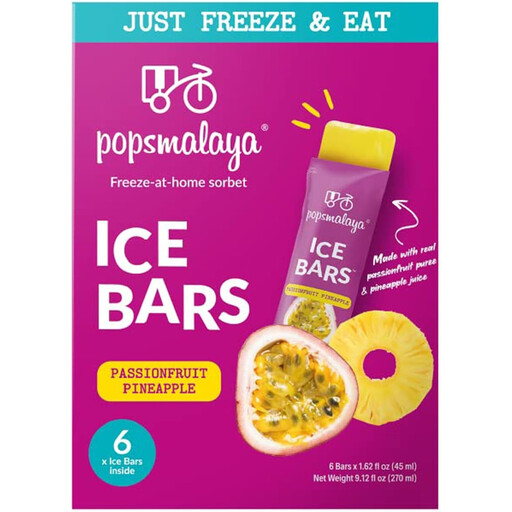
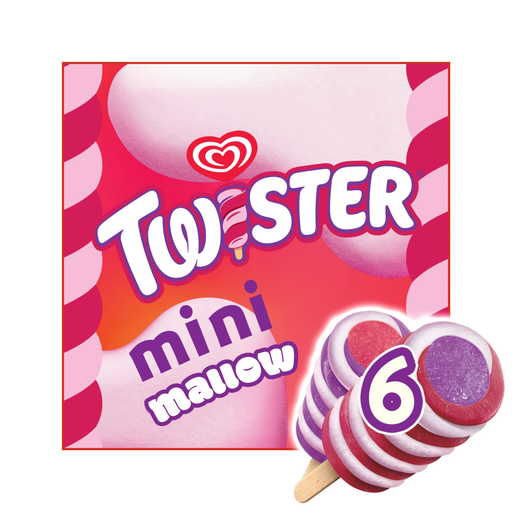
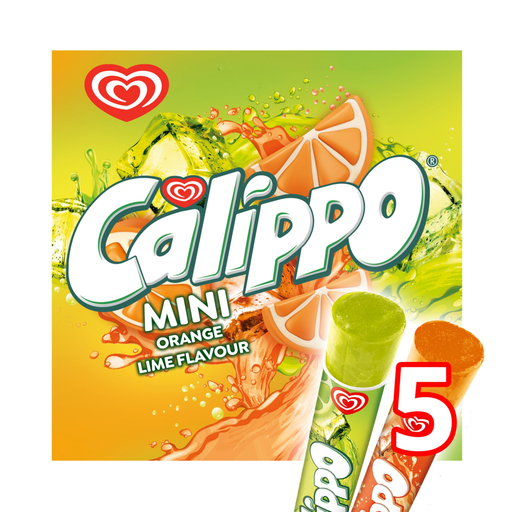
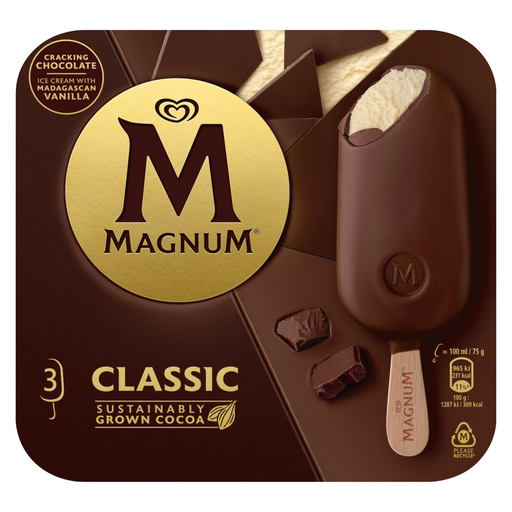
These options span fruit-flavoured ice bars, mini lollies and ice-cream sticks. Their stated individual sizes range from 45ml to 100ml, so the portion on the pack is a useful starting point.
 No image available
The individually sized bars offer a 45ml option for a planned break. Compare the current pack's sugars per bar with any other fruit-flavoured lolly you are considering.
 No image available
The 50ml format gives a defined mini portion for a break. This ice-cream lolly contains milk and may contain soya and almond; check the current pack if those allergens matter.
 No image available
The 70ml stick is a larger individual portion than the 45ml and 50ml options above. Check its sugars per stick and the current pack's possible nut, egg, milk and soya warnings.
 No image available
This pack offers two citrus flavours in 80ml portions. Their listed sugars differ by flavour, so check the figure for the lolly you choose rather than using one pack-wide assumption.
 No image available
The 100ml stick is a dessert-style alternative to the smaller ice lollies here. Compare its per-stick sugars and saturated fat before choosing it for a revision break; it contains milk and may contain almond and pistachio.
No. Sainsbury's lists 8.5g sugars per Fruit Spiral lolly and 15.2g per Taste the Difference Mango & Passion Fruit lolly. Compare sugars for the individual portion; fruit flavour or purée alone does not establish the amount.
Choose one when you want a planned dessert-style treat rather than assuming it is equivalent to a smaller water ice. Check the portion's sugars and saturated fat: Sainsbury's labels its Taste the Difference Iced Latte lolly high in saturated fat at 5.0g per serving.
Read the ingredients, declared allergens and cross-contact wording for the exact flavour on its current pack. A fruit-ice description does not establish that a product is suitable for someone with a milk or nut allergy.
No. Department for Education school-food guidance concerns food and drink provided in state-funded schools in England. England's separate restrictions described by the Department of Health and Social Care and the Department for Culture, Media and Sport concern promotions of qualifying less-healthy products online and in stores. For food provided at school, check the rules and catering policy for the particular nation and setting; neither scope establishes a blanket rule for every personal revision snack.