Commuters wanting a small coffee-side treat
If you plan to eat soon after buying, compare hand-held formats by flavour and individual size. A mini product may suit a shorter break, but it still needs appropriate frozen storage until you eat it.


Choose a chocolate-coated ice-cream stick if you want a dessert-style treat with coffee, a fruit lolly if you prefer a fruit-led frozen treat, or a mini milk ice if a smaller milk-based portion appeals. Whichever format you choose, check the individual size, ingredients and storage directions: a frozen treat only suits the journey if it can stay frozen until you eat it.
The useful distinction is whether you want a dessert-style stick, a fruit lolly or a smaller milk-based ice—and whether you can eat it while it is still frozen.
If you plan to eat soon after buying, compare hand-held formats by flavour and individual size. A mini product may suit a shorter break, but it still needs appropriate frozen storage until you eat it.
Pack counts and individual sizes vary across fruit lollies, milk ices and ice-cream sticks. Compare the amount in each item, rather than assuming every product labelled “mini” is the same size.
Check the exact flavour and pack for ingredients, allergens and nutrition per portion. The NHS notes that a manufacturer’s stated portion may differ from the amount you eat.
Choose when: You want a chocolate-and-ice-cream dessert alongside coffee.
Bear in mind: A coated ice-cream stick is a different type of treat from a fruit ice lolly; compare individual sizes before deciding.
Choose when: You would rather have a fruit-led frozen treat than a creamy, chocolate-coated one.
Bear in mind: Fruit flavour does not tell you the ingredients or nutrition of a particular lolly; check its label.
Choose when: A small, individually portioned milk-based ice suits the break you have in mind.
Bear in mind: Mini Milk contains milk, and allergen statements depend on the exact product and variant.
| Priority | What to check | Your needs |
|---|---|---|
| Format | Check whether the item is a fruit ice lolly, milk ice or ice-cream stick. Read the flavour and coating description on the exact pack. | With coffee, I might want a dessert-style ice cream; on another day, I would prefer a fruit-led lolly. |
| Individual size | Compare the number of items and the ml per item. For example, Sainsbury’s lists Calippo minis at 80 ml each, Twister minis at 50 ml and Wall’s Mini Milk at 35 ml. | For a short break, the size of one lolly or stick matters more to me than the number in the multipack. |
| Nutrition label | Compare the same nutrients per 100 g or 100 ml, then check any per-portion figures against the amount you will eat. The NHS cautions that stated portions may differ from what people consume. | I want to compare sugars and saturated fat without assuming a product labelled “mini” has a particular nutrition profile. |
| Ingredients | Read the ingredients and allergen statement for the exact flavour and pack, including any “may contain” wording. ASDA’s listing for the 10 x 35 ml Wall’s Mini Milk pack declares milk and identifies possible contact with soya, pistachio nuts and peanuts. | If an ingredient or allergen matters to me, I need the statement for the product I am actually buying, not another item from the same brand. |
| Frozen storage | Check the pack’s storage temperature and any instruction about thawing or refreezing. Plan when you will buy and eat it. | I need to be able to keep the treat frozen until my coffee break; a long journey may change whether buying it beforehand is practical. |
Fruit lollies, milk ices and chocolate-coated sticks differ in format, ingredients and individual size. A dessert-style stick is not a like-for-like replacement for a fruit lolly.
Decide which format you want with your coffee, then compare the exact products within it.
“Mini” describes a product’s format or portioning, not its allergen content or nutrition. ASDA’s listing for one Wall’s Mini Milk pack, for example, declares milk and has product-specific precautionary allergen information.
Read the ingredients and allergen statement on the exact pack, and compare nutrition per portion as well as per 100 g or 100 ml.
A hand-held portion may be convenient to eat, but it still needs the storage conditions stated on its pack until then.
Buy close to the time you will eat it, or make sure you can maintain the required frozen conditions throughout the journey.
UK grocery listings show these names across different frozen-treat formats. A retailer’s range is a useful point of comparison, not a reason to assume every product under that name has the same recipe.
This brand family spans fruit-led lollies and small milk-based ice creams, giving shoppers distinct formats to compare.
Magnum appears in UK grocery listings as ice-cream sticks and mini sticks for shoppers considering a dessert-style option.
Tesco’s own-label frozen range includes both fruit lollies and ice-cream formats.
Sainsbury’s lists own-brand cones and fruit-juice lollies alongside branded frozen treats.
ASDA’s product listing for Wall’s Mini Milk illustrates the pack-specific detail worth checking when choosing a frozen treat.
These options cover fruit lollies and dessert-style ice-cream bars or sticks for a coffee break. Choose by format and individual size, then check the exact pack’s ingredients and storage directions.
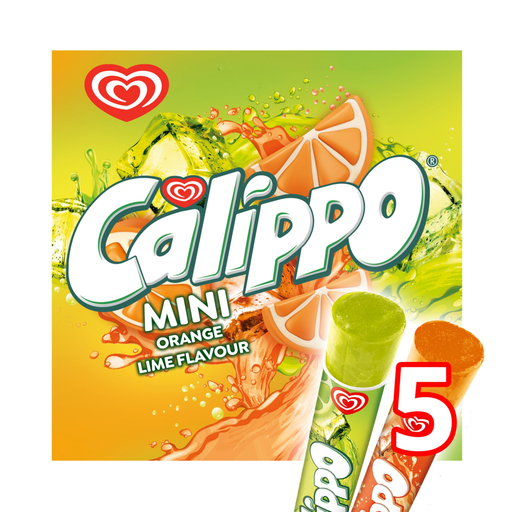 No image available
A fruit-lolly option if you prefer orange and lemon-lime flavours with coffee. The pack contains five 80 ml lollies; keep them frozen until eating and check the exact pack if allergens are relevant to you.
 No image available
A fruit-led stick to consider if you want a 70 ml individual portion rather than an ice-cream bar. The pack contains four sticks; follow its frozen-storage directions and check the exact pack’s precautionary allergen statement.
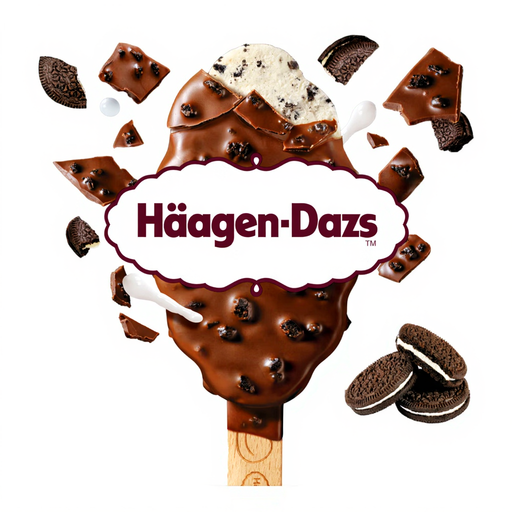 No image available
An ice-cream bar option for a dessert-style coffee break. The pack contains three bars weighing 192 g in total; use the exact pack to check ingredients and an individual serving, and keep the bars frozen until needed.
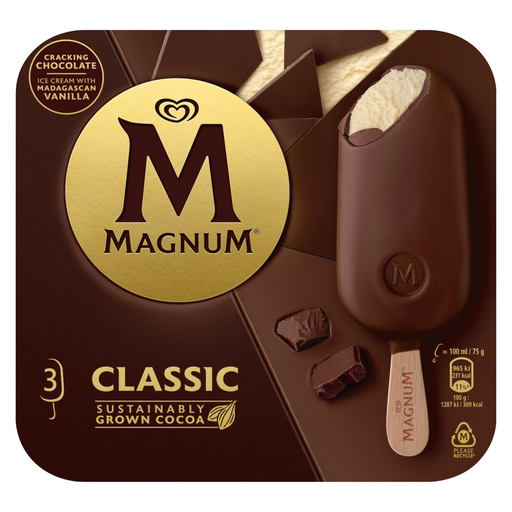 No image available
A 100 ml individual stick for someone choosing an ice-cream treat with coffee. There are three sticks in the pack; check the exact label for allergens and keep the product frozen until eating.
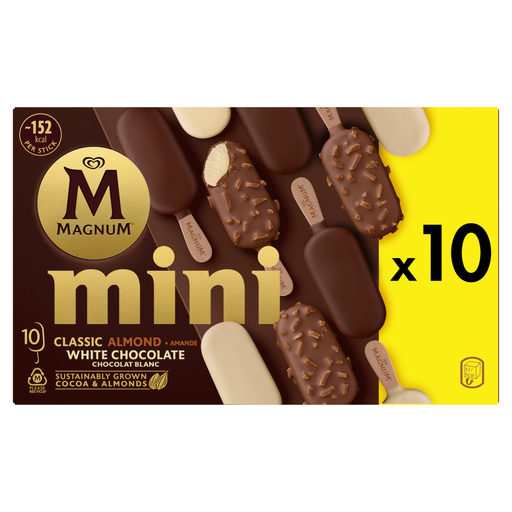 No image available
A smaller individual ice-cream stick if you want that format with coffee. The pack contains ten 55 ml sticks; check the exact variant’s ingredients and allergen statement, and keep the sticks frozen until eating.
No: they offer different ingredients, flavours and formats. UK grocery listings separate ice lollies from ice-cream sticks and other frozen desserts, so choose the type of treat you want before comparing individual products.
Start with the size of one item, not just the pack count or the word “mini”. For nutrition comparisons, the NHS advises looking at figures per 100 g or 100 ml and, where shown, per portion; check whether the stated portion matches what you plan to eat.
No. Check the nutrition panel, ingredients and allergen statement on the exact pack. The ASDA listing for one Wall’s Mini Milk pack, for example, declares milk and gives a precautionary statement for soya, pistachio nuts and peanuts; that statement should not be assumed to cover other products.
Only if you can maintain the storage conditions printed on its pack until you eat it. Buying closer to your coffee break avoids relying on a frozen product remaining suitable throughout a journey without appropriate storage.