Daily single-serve iced-latte maker
If you usually make one drink, an ice-rated personal cup lets you blend in the vessel you will drink from. Check the cleaning instructions for the cup and blade assembly if you use it every day.


For one iced latte, consider a personal-cup blender whose exact model is specified for crushing ice; for several drinks, consider a jug, or a food-processor system if you will use its other functions. Check the ice instructions for the intended vessel before comparing capacity, controls, cleaning and storage space. A motor-power figure alone does not establish whether a model can crush ice.
If you usually make one drink, an ice-rated personal cup lets you blend in the vessel you will drink from. Check the cleaning instructions for the cup and blade assembly if you use it every day.
If you prepare drinks for several people, compare jug capacities. A food-processor system makes more sense when you will also use its food-preparation attachments.
If iced lattes are only part of your routine, variable controls and a larger container may be worth considering. Check the warranty conditions for the particular model and intended use.
If you will blend ice into an iced latte, check the exact model’s ice-crushing instructions first. Then choose a vessel for your usual number of servings and consider how much cleaning and storage its parts require.
| Concern | What to check | Who this matters to |
|---|---|---|
| Ice and texture | Look for an ice-crushing instruction for the exact model and vessel. Check for pulse or an ice programme if you want control over the blend. | If I blend ice into my coffee, I want to know the intended vessel can handle it and give me the texture I prefer; around 46% of consumers put ice handling and texture first. |
| One-cup convenience | Check cup capacity, whether a drinking lid is included and which removable parts can go in a dishwasher. | Making one drink, I would rather blend in a cup than transfer it from a jug, and I want a straightforward clean-up. Around 36% of consumers prioritise that single-serve routine. |
| Batches and other uses | Compare vessel capacities, included attachments and the space they need; confirm which vessel is intended for ice. | When I make drinks for others or prepare more than drinks, a larger jug or additional functions matter more to me; around 18% of consumers put batch capacity and wider use first. |
Ice instructions are specific to the model and intended attachment. A wattage figure does not replace them.
Check the exact model’s ice-crushing statement and follow its manual before blending an iced latte.
A multi-function system may offer useful vessels and food-preparation tools, but those parts also need storage and cleaning.
Choose additional jug capacity or processor attachments if you expect to use them, rather than for an occasional one-cup latte.
Cleaning claims for removable cups, jugs or blades do not apply to the electrical power base.
Follow the exact model’s cleaning instructions and keep the power base out of the dishwasher.
UK government guidance says electrical products bearing the crossed-out wheeled-bin symbol should be collected separately from household rubbish.
When replacing a blender, check your local electrical-waste collection or household recycling-centre options.
Relevant if you want both a personal cup and a larger blending vessel in a multi-function system.
Relevant if you want a food processor and blender system for tasks beyond iced lattes.
Relevant to both personal-cup and jug-blender shopping, depending on the model.
Relevant if you expect frequent use beyond iced lattes and want manual texture control and stated household warranty coverage.
These choices include personal-cup and larger-vessel formats. Match your usual serving size first, then confirm the exact model’s ice instructions for the vessel you intend to use; the product titles below identify ice-crushing capability only where they say so.
 No image available
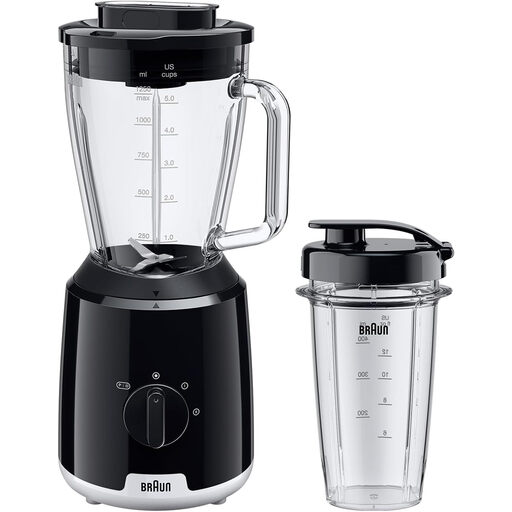
Consider its jug-and-bottle format if you alternate between a larger blend and one drink. The title specifies a 1.5 L glass jug, a Smoothie To Go bottle, two speeds and 600 W; check the instructions for ice use in your intended vessel and confirm the bottle’s capacity if it matters to you.
 No image available
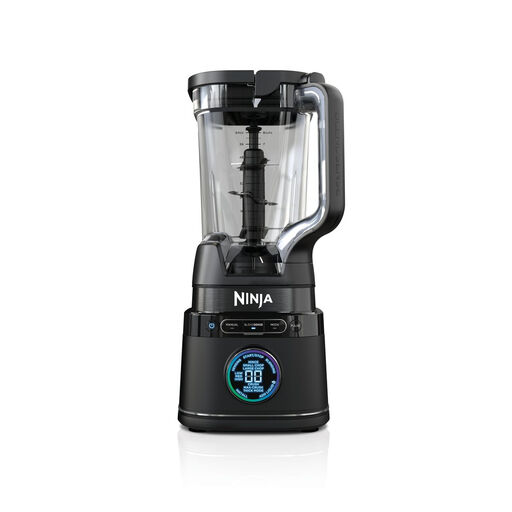
Consider this model if you want a blender with a single-serve option. Before choosing it for iced lattes, confirm the included vessels, their capacities and the ice instructions for the one you will use.
 No image available
Its personal-cup format suits a one-drink routine if 900 ml meets your serving needs. The title specifies 1200 W, suitability for crushing ice and iced fruit, a rapid extractor blade and two blending options; follow the instructions for the silver variant.
 No image available
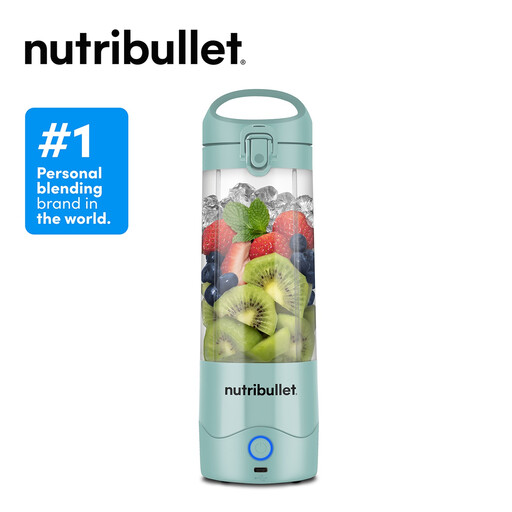
Consider the 475 ml cup and to-go lid for one smaller drink. The title also lists a USB-C charging cable and 15+ blending cycles; confirm the model’s ice instructions before using it to blend an iced latte.
 No image available
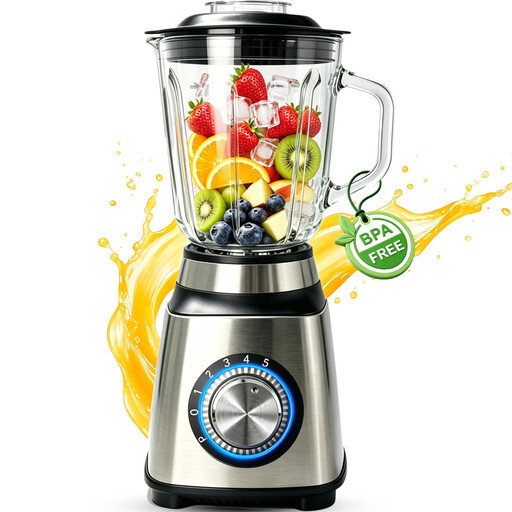
Its 1.5 L jug is a larger-vessel option for drinks. The title specifies six blades and an ice-crusher function; check the instructions for using that function, along with the controls and cleaning directions, before buying.
No: check whether the exact model and intended vessel are specified for crushing or blending ice. Kenwood advises following the user instructions when crushing ice with its blenders; do not rely on wattage alone when choosing another model.
Choose an ice-rated personal-cup model if you normally make one drink and want to blend in the cup; consider a jug if you make several servings or other batch recipes. Compare the actual vessel capacities and check the ice instructions for the model you choose.
Clean the removable parts according to the exact model’s instructions after use. Some models list dishwasher-safe cups or jugs, but that does not include the electrical power base.
Check an appropriate electrical-waste collection point or household recycling centre rather than putting an old blender in household rubbish. UK government guidance says electrical products marked with the crossed-out wheeled-bin symbol should be collected separately.