
24/7 Customer Support

Free returns

Same-day & Next-day Delivery

Quality Guaranteed

Unlock Your Welcome Offers: FREE Delivery | Up to 80% OFF | Free 30-day JoyPlus trial
Download the APP
As the days get longer and warmer, reaching for a cold, refreshing iced tea feels like a natural choice. The shelves are filled with options, from classic lemon and peach to exotic oolong tea and fragrant green tea blends. But with so much choice comes confusion. Many ready-to-drink teas that appear to be a healthier alternative to fizzy drinks can hide pitfalls that leave you with a disappointing drink and a lighter wallet.
As a Joybuy Product Recommendation Officer, my role is to help you see past the marketing and make choices that fit your taste and lifestyle. Before you fill your basket, let's look at two common traps to avoid when buying bottled tea.
To make sure you're getting a genuinely refreshing and flavourful drink, focus on these two key details on the label.
The foundation of any good iced tea is the tea itself. The type of tea leaf used will define the drink's core flavour.
This is the most important factor to check to avoid the "healthy halo" trap. Look for the "Carbohydrates - of which sugars" line in the nutritional information, which is always listed per 100ml. A drink with 10g of sugar per 100ml contains 50g of sugar in a 500ml bottle—that's about 12 teaspoons.
For those looking to reduce their sugar intake, a zero sugar iced tea is an excellent choice. These drinks often use sweeteners like stevia or erythritol to provide sweetness without the calories, or they are left unsweetened to let the pure tea flavour shine through.
Instead of a generic list, we've matched some standout options to different needs and preferences.

Why This Fits Their Persona: This is an ideal choice for keeping in the office or at home for a guilt-free refreshment break. It offers a genuine, robust tea flavour without any distractions, perfect for staying hydrated during a busy workday without a sugar crash.
It completely sidesteps the "hidden sugar" trap by being a zero sugar, zero-calorie and zero-fat drink. The focus is purely on the authentic taste of the oolong tea.
Made with real Shuixian oolong tea leaves for an authentic flavour. The multipack drinks format is convenient for stocking up.
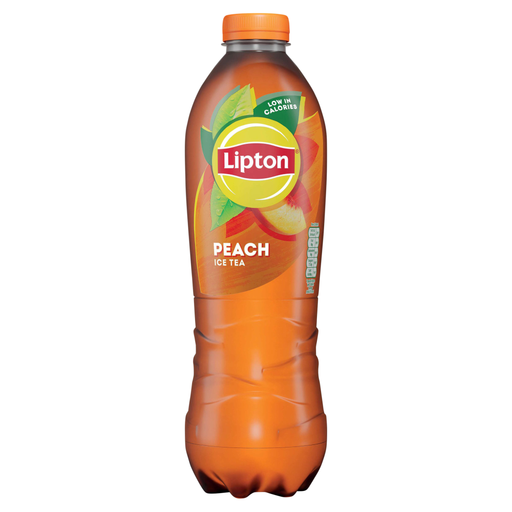
Why This Fits Their Persona: When you need a reliable, crowd-pleasing drink for a family meal or to keep in the fridge for the week, this is a solid choice. The classic peach iced tea flavour is familiar and well-liked by all ages, and the large format offers great value.
This drink avoids the "weak flavour" disappointment by delivering the consistent and recognisable taste people expect from a Lipton iced tea. It uses peach juice from concentrate for a more authentic note.
The large 1.25L bottle is economical and ideal for sharing. It's a dependable choice for everyday refreshment that requires no guesswork.
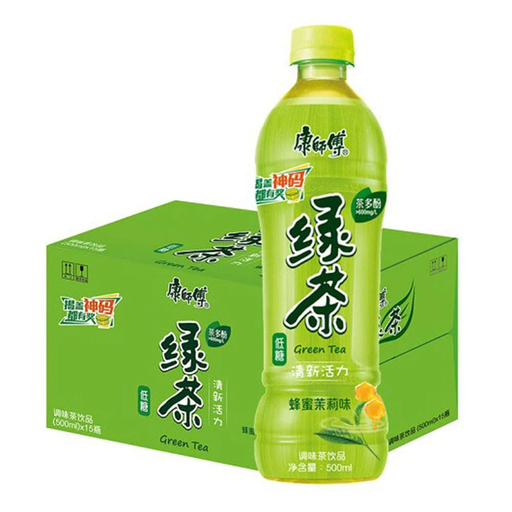
Why This Fits Their Persona: For those curious about the world of Asian drinks, Master Kong is an iconic brand. This green tea drink is blended with jasmine and a touch of honey, offering a distinctly different, floral and refreshing taste compared to typical Western iced teas.
This drink delivers an authentic flavour profile that is highly popular across Asia. It avoids the "weak flavour" trap by providing the exact floral and sweet notes that fans of the brand expect.
A unique flavour combination of green tea, jasmine and honey. The 15-bottle multipack is perfect for those who already know and enjoy this classic drink.
We have compiled a complete, real-time list of products that fully satisfy these strict selection criteria and UK safety regulations.
It can be, but it depends entirely on the product. A zero sugar iced tea made with real tea extract can be a very healthy way to hydrate. However, many other varieties contain significant amounts of sugar. The key is to always check the nutritional information per 100ml to make an informed decision that aligns with your dietary goals.
Once opened, it's generally recommended to refrigerate your bottled tea and consume it within 3 to 5 days. The flavour and freshness will be at their peak during this time. Unopened bottles can be stored in a cool, dry place until the "best before" date shown on the packaging.
The difference often comes down to the tea base and flavour pairings. Many popular Asian drinks use green tea or oolong tea as a base, which have a lighter, more floral or vegetal profile. They are also frequently paired with flavours like jasmine, honey or yuzu, whereas Western teas traditionally lean on black tea with lemon or peach. This creates a unique and refreshing taste experience.