
24/7 Customer Support

Free returns

Same-day & Next-day Delivery

Quality Guaranteed

Unlock Your Welcome Offers: FREE Delivery | Up to 80% OFF | Free 30-day JoyPlus trial
Download the APP
Icelandic Glacial mineral water appeals to shoppers who want a clean-tasting alternative to sugary soft drinks, as well as a convenient option for offices, gyms, restaurants and home entertaining. However, premium bottled water can become expensive when the format, flavour and pack size do not match how you actually drink it.
Before buying Icelandic water online, look beyond the Icelandic source story and check the practical details: whether it is still or sparkling, the container size, the ingredients and how easy the packaging is to recycle. These points often make a bigger difference to value than phrases such as “premium”, “natural” or “alkaline”.
A product described as mineral water may be still mineral water, sparkling mineral water or flavoured sparkling water. These are not interchangeable for every occasion.
Still water is generally more versatile for work, travel and exercise. Sparkling water can work well with meals or cocktails, but carbonation may not suit everyone and an opened can will lose its fizz quickly. Flavoured varieties may offer a soft-drink-style experience, but check that “flavour” does not mean added sugar or sweeteners.
The Icelandic Glacial Tarocco Blood Orange and Tahitian Lime cans listed here contain natural flavours and are described as having zero calories and zero sugar. Always check the current product label before purchase, as recipes and packaging can change.
A case of 30 small bottles may look convenient, but it takes more storage space and creates more individual containers. Conversely, 1.5-litre bottles may offer a practical household supply but are less convenient to carry.
For a UK office, hospitality setting or regular household use, compare the total litres per pack, not just the number of bottles. For personal use, a 750ml sports-cap bottle may be easier to manage than a larger bottle.
Packaging claims require context. Aluminium cans are widely recyclable, but recycling availability depends on local council and commercial collection arrangements. PET bottles can also be recyclable where facilities accept them, and recycled PET content is a separate consideration from recyclability.
The products below include aluminium cans and PET bottles. Check the packaging for disposal guidance and avoid assuming that a sustainability label automatically means the product has a lower overall transport impact. Imported bottled water travels further than locally bottled tap or spring water, so environmental priorities should be weighed alongside taste and convenience.
Choose natural mineral water or still Icelandic spring water if you want a neutral drink for hydration, desks, travel or serving with food. Choose sparkling mineral water when you want carbonation for dining, mocktails or cocktails.
The classic sparkling range contains natural spring water and carbon dioxide. The flavoured cans add natural flavouring, and some listings also include citric acid or flavour enhancers. Review the ingredient list if you prefer a minimal formula.
Common formats in this range include:
Compare the price per litre and check whether the container can be resealed. A can is ready to serve but should generally be consumed soon after opening; a sports-cap bottle is more convenient when you need to drink gradually.
Some Icelandic Glacial listings state a naturally alkaline pH of 8.4 and low total dissolved solids. These are measurable product characteristics, but alkaline water should not be treated as a medical product or a replacement for professional dietary advice.
The listed still water products provide 0 kJ and 0 kcal per 100ml, with no sugar or fat. Flavoured sparkling options also list zero calories and zero sugar, although their ingredients include carbon dioxide and natural flavourings. For exact values, use the nutrition panel on the product packaging.

Why This Fits Their Persona: The 30-pack provides small, ready-to-drink portions for workplaces, events or households that prefer compact bottles. It is a straightforward still mineral water option without flavourings.
It makes the pack quantity and bottle size clear, helping shoppers compare total volume instead of judging value by the case appearance alone.
Still natural mineral water; 330ml PET format; 0 kcal and 0g sugar per 100ml according to the listing.

Why This Fits Their Persona: This is suited to shoppers seeking a more distinctive sparkling serve for dinners, alcohol-free occasions or cocktail mixing, with a named citrus flavour rather than plain carbonation.
The ingredient and nutrition information identifies natural flavouring, carbon dioxide, zero sugar and zero calories, rather than leaving the flavour profile ambiguous.
330ml aluminium cans; light carbonation; suitable as a standalone drink or mixer.
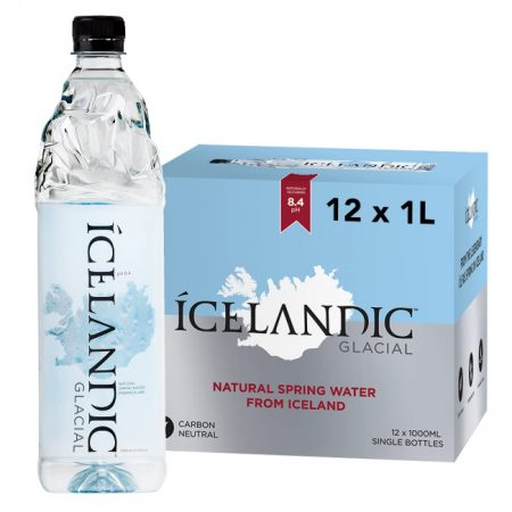
Why This Fits Their Persona: The 1-litre bottle size fits shared kitchens, meeting rooms and regular household use where 330ml portions may run out quickly.
The larger format reduces the need to open several small bottles during a working day or meal service, while the 12-pack keeps the total quantity visible.
Still natural mineral water; 12 x 1-litre PET bottles; 0 kcal and 0g sugar per 100ml in the supplied product information.
We have compiled a complete, real-time list of products that fully satisfy these strict selection criteria and UK safety regulations.
Both formats are available. The range includes still natural mineral water in PET bottles, as well as classic and flavoured sparkling mineral water in 330ml cans. Check the product title carefully before ordering, particularly when buying a multi-pack.
The supplied listings show 0 kcal and 0g sugar per 100ml for the still water and flavoured sparkling products. Sparkling products may still contain carbon dioxide, natural flavours or citric acid, so review the full ingredient list if you want water with only one ingredient.
A 750ml bottle with a sports cap is convenient for commuting, exercise and office use. A 1-litre or 1.5-litre bottle is more suitable for shared household consumption, while 330ml cans and bottles work well for individual servings, hospitality and chilled refreshments. Compare pack volume, storage space and price per litre before purchasing.