
24/7 Customer Support

Free returns

Same-day & Next-day Delivery

Quality Guaranteed

Unlock Your Welcome Offers: FREE Delivery | Up to 80% OFF | Free 30-day JoyPlus trial
Download the APP
Choosing children’s imaginative play toys can be surprisingly difficult. Product photos may look impressive, yet the toy may be too large for your home, contain fragile accessories or require more supervision than expected. For UK families buying birthday gifts, Christmas presents or everyday playthings, the right choice depends on how a child will actually use it.
This guide highlights common buying traps, practical specifications to check and suitable options for children aged 2–8.
Bright colours, character branding and realistic details can attract attention, but they do not necessarily indicate useful play value. A dress-up costume may look appealing but restrict movement, while a toy kitchen may include fewer accessories than expected.
Check what is included, how the toy is used and whether it can support more than one type of play. Pretend play toys that allow storytelling, role changes and interaction with siblings may remain useful for longer than products designed around one short activity.
Age recommendations are important safety information, not merely suggestions. Many role-play toys include miniature food, coins, accessories or building components that may present a choking risk for younger children.
For example, the Casdon 44 Piece Play Food Set is listed for children aged 2–7, but its warning states that it is not suitable for children under 2 because of small parts. The Casdon Pretend Play Cash 66450 and Casdon Pretend Play Cash Register are listed from age 3 and include small play money and accessories.
Always read the product warning, particularly when buying for a child close to the stated age threshold. Adult supervision may also be required.
Large toy kitchen sets can take up significant floor space, and small accessories are easily misplaced. Products with modelling compound, fabric or removable parts may also require specific cleaning or storage.
Battery-powered toys create another consideration. Check whether batteries are included, which type is required and whether lights or sounds can be switched off. Battery compartments should remain inaccessible to children, and button batteries require particularly careful storage because they can be hazardous if swallowed.
Confirm the recommended age, warnings and assembly requirements. For toys sold in Great Britain, look for the relevant conformity information, such as the UKCA or CE marking, where applicable, and read the seller’s safety details. Requirements can differ for products supplied in Northern Ireland.
A marking alone is not a reason to ignore practical risks. Check for detachable parts, cords, masks that cover the face and accessories that could be swallowed. Costumes should be kept away from fire and open flames, particularly during Halloween.
For frequent play, look for sturdy construction, smooth or rounded edges and materials suited to the activity. Wooden play kitchens can offer a substantial structure, while ABS plastic building toys are generally lighter and easier to take apart.
For fabric children’s dress-up costumes, check whether the item is surface washable and whether the headpiece is detachable. The Bluey Onesie Dress-up Costume, for instance, has a soft jumpsuit and detachable plush headpiece, but its instructions specify surface washing only.
Measure the available area before buying. The Le Toy Van Original Kitchen Oven & Cooker measures approximately 34.5 × 13 × 59.5 cm when assembled, while the Bosch Pure Pretend Play Modern Kitchen has a package dimension of 33 × 69 × 95 cm and is designed for play from both sides.
For educational building toys, check the number and size of pieces, storage options and whether the finished model is suitable for the child’s available play surface. A large piece count is less useful if the set cannot be stored safely or assembled without frustration.
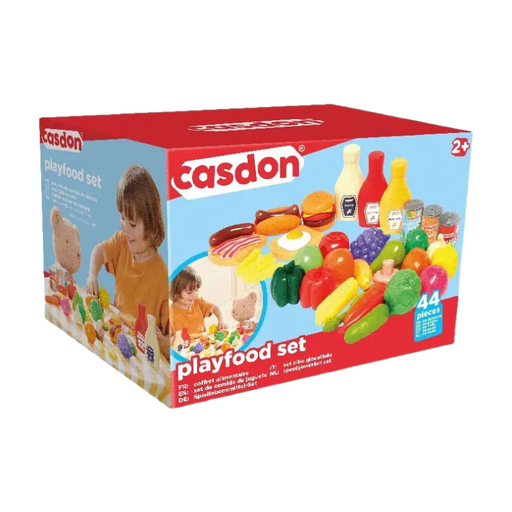
Why This Fits Their Persona: A practical starting point for families building a toy kitchen gradually, with food pieces that can also be used for shop, café and family role-play.
The contents are clearly listed: 44 pieces including fruit, vegetables, burgers, chips and labelled tins. Buyers can check the quantity before purchasing.
No batteries are required, and the set is listed for ages 2–7. Small parts still require attention to the stated warning.
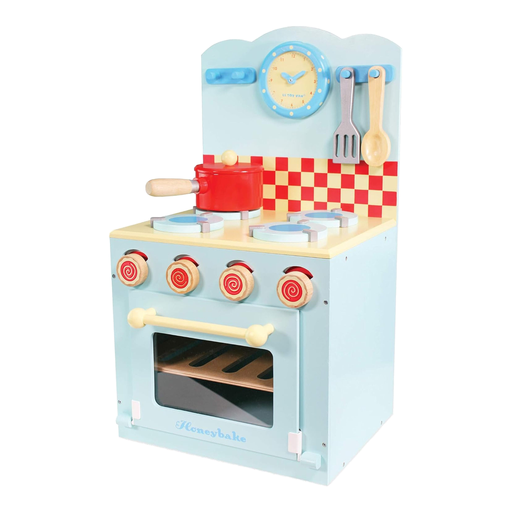
Why This Fits Their Persona: Suitable for households seeking a structured wooden play feature with a compact depth and traditional cooking accessories.
The listing specifies FSC-certified rubberwood, water-based paints and the exact assembled dimensions, helping buyers assess materials and space.
Includes an opening oven, moving clock hands, pot, lid, spoon and spatula. It is listed for children from age 3.
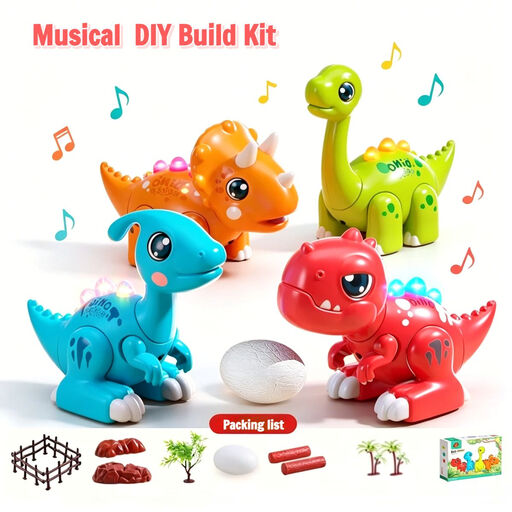
Why This Fits Their Persona: A suitable option for children who repeatedly build, take apart and create stories around their models, either alone or with family.
The listing identifies the material as ABS and describes four dinosaur models plus scenery pieces, rather than presenting only a single finished figure.
Includes snap-together parts, scenery accessories, lights and sounds. Check the listing’s age and small-part warnings before purchase.
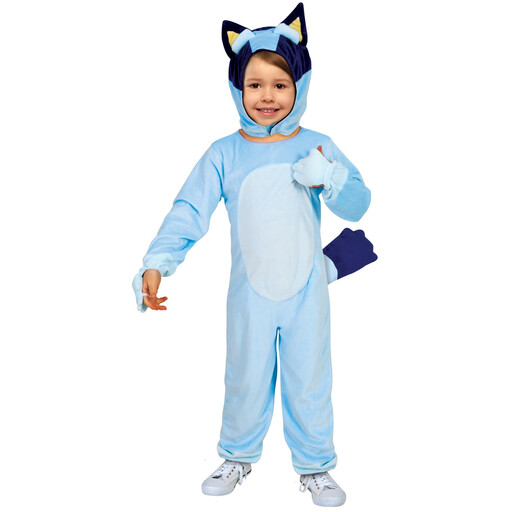
Why This Fits Their Persona: Designed for toddlers who enjoy character-led storytelling, themed parties or active indoor dress-up play.
The set specifies a cosy jumpsuit, detachable plush headpiece and surface-wash-only care, so buyers can plan use and cleaning realistically.
Listed from age 2, with no batteries required. Keep the costume away from fire and supervise use as instructed.
We have compiled a complete, real-time list of products that fully satisfy these strict selection criteria and UK safety regulations.
Some are, but suitability depends on the individual product. Look for a clear age recommendation and check for small parts, detachable accessories and cords. A simple fabric costume or larger play food pieces may be more appropriate than miniature building components for a newly turned two-year-old.
Lifespan depends on construction, frequency of use, storage and whether the toy can support different games. Wooden kitchen sets and modular building toys may remain useful as children invent more complex stories. Store small accessories in a labelled box, follow cleaning instructions and inspect toys regularly for cracks, loose parts or damaged fastenings.
Not always. Play food sets, many costumes and wooden kitchen accessories work without batteries. Cash registers, lights-and-sounds character toys and some STEM toys for kids may require them. Check the product page for battery type, whether batteries are supplied and how the compartment is secured before ordering.