
24/7 Customer Support

Free returns

Same-day & Next-day Delivery

Quality Guaranteed

Unlock Your Welcome Offers: FREE Delivery | Up to 80% OFF | Free 30-day JoyPlus trial
Download the APP
Imitation crab sticks, also known as seafood sticks or surimi sticks, are a staple in many UK kitchens for their convenience and versatility. They can transform a simple salad, complete a homemade sushi roll or add a touch of seafood flavour to a bubbling hot pot. However, navigating the freezer aisle can be tricky. Not all crab sticks are created equal, and choosing the wrong one can lead to disappointing meals and wasted money.
As the Joybuy Product Recommendation Officer, my role is to help you see past the marketing and make informed choices. Here are some common pitfalls to watch out for when you're shopping for imitation crab sticks.
To ensure you bring home a product that suits your needs, focus on these three key factors.
The primary ingredient in all imitation crab sticks is surimi. This is a paste made from white fish—most commonly Alaska pollock or threadfin bream—that has been minced, washed to remove fat and undesirable bits and then blended with other ingredients. The quality and texture of the final product are heavily dependent on the surimi.
A key indicator to check is the fish percentage. A higher percentage of fish meat generally results in a firmer, flakier texture and a more pronounced seafood flavour. Products with a lower fish content often rely more on starches (like wheat, potato or tapioca) as fillers, which can lead to a softer or gummier consistency.
How you plan to use your seafood sticks should determine whether you buy them frozen or chilled.
A quick scan of the ingredient list is essential. Be mindful of:
To make your choice easier, here are a few options from our selection, matched to different household needs and cooking styles.
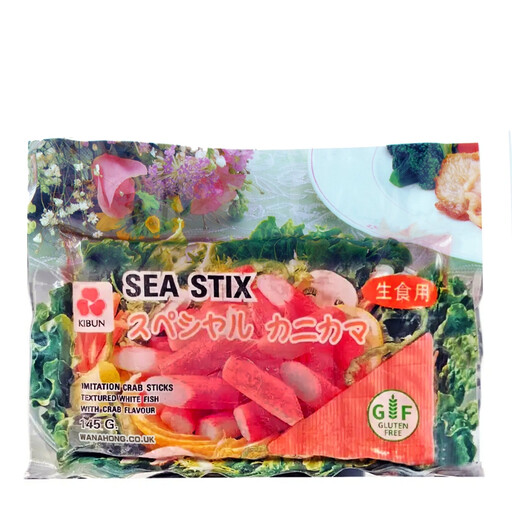
Why This Fits Their Persona: This is for the home cook who wants to create authentic-tasting California rolls or a classic seafood salad. The ready-to-eat format means no cooking is required, and the texture is designed to be flaky and delicate, mimicking real crab meat in cold dishes.
It sidesteps the texture trap by being specifically formulated for cold use. Its high fish meat content (42%) ensures a pleasant, non-rubbery bite perfect for salads.
Ready to eat after thawing, saving preparation time. The delicate flavour and flaky texture are ideal for Japanese-inspired cuisine.
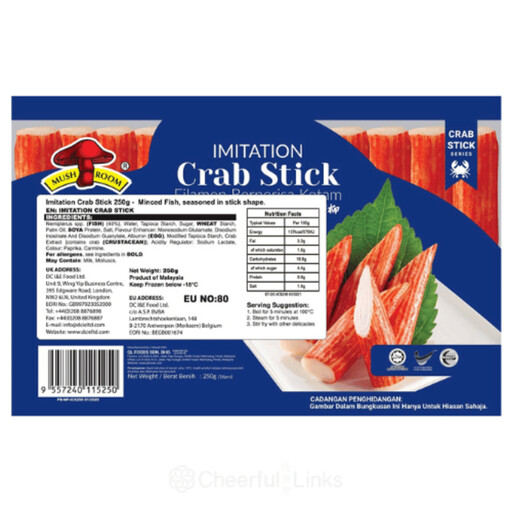
Why This Fits Their Persona: This is for the family that enjoys communal meals like hot pot or quick noodle soups. They need an ingredient that can be added directly from the freezer and will cook quickly without falling apart in the broth.
This product directly solves the "mushy stick" problem. It is a frozen crab stick designed to maintain a firm, slightly fibrous bite even after being boiled for 1-2 minutes.
Its robust structure is perfect for hot dishes. It cooks quickly, absorbing the flavour of the broth while adding a pleasant seafood taste and texture.
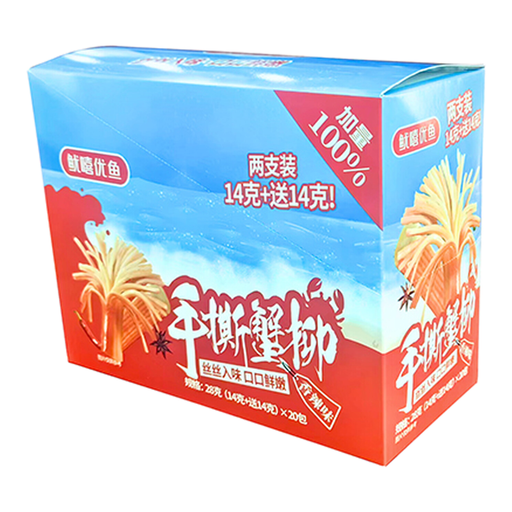
Why This Fits Their Persona: For busy individuals or families looking for a convenient, flavourful and protein-rich snack. These are perfect for lunchboxes, office snacks or a quick bite after the gym, with no preparation needed.
These are purpose-built snacks, not cooking ingredients. The individual wrapping keeps them fresh and prevents the texture from becoming dry or tough, a common issue with multi-packs once opened.
Extremely convenient due to individual packaging. The bold, spicy flavour offers a more exciting snack experience than plain surimi sticks.
We have compiled a complete, real-time list of products that fully satisfy these strict selection criteria and UK safety regulations.
It depends on the product. If the packaging states 'ready to eat', then yes, they can be consumed without cooking. These are typically found in the chilled section of a supermarket. However, many frozen crab sticks are intended to be cooked before eating. Always check the instructions on the package to be sure.
For the best texture, the recommended method is to thaw them slowly in the refrigerator for several hours or overnight. If you are short on time, you can place the sealed package in a bowl of cold water for about 30-60 minutes. Avoid using a microwave to defrost them, as the uneven heating can make the sticks tough and rubbery.
They can be a convenient, low-fat source of protein. However, their healthiness varies. To make a good choice, check the nutritional information for the sodium and sugar content. Also, review the ingredient list for the fish percentage and the presence of starches or additives to ensure the product aligns with your dietary preferences.