
24/7 Customer Support

Free returns

Same-day & Next-day Delivery

Quality Guaranteed

Unlock Your Welcome Offers: FREE Delivery | Up to 80% OFF | Free 30-day JoyPlus trial
Download the APP
Choosing immune support supplements can be difficult when similar-looking products contain very different nutrients, serving sizes and quality information. A low-cost bottle may offer a simple vitamin blend, while a higher-priced formula may include mushrooms, probiotics or botanical extracts that are not suitable for everyone.
For UK shoppers, the most useful approach is to ignore dramatic promises and compare the label, dosage, allergens and intended use. The following guide highlights common buying traps and explains how to match a supplement to your routine.
A long list of vitamins, minerals and plant extracts does not automatically mean a more suitable formula. Check the amount per daily serving, not just the number of ingredients. Some products use small quantities of many ingredients, while others focus on a shorter list at clearly stated levels.
Also check whether the product is intended for one or two capsules daily. A 60-capsule bottle taken at two capsules per day lasts 30 days, whereas a one-capsule formula lasts longer.
“Plant-based” does not always mean suitable for every diet. A mushroom product may contain or potentially contain soya, gluten or nuts, while a liquid formula may include milk or wheat. People following vegan, vegetarian, gluten-free or dairy-free lifestyles should read the full allergen statement rather than relying on the front label.
Terms such as “high potency”, “advanced absorption” and “maximum support” are not substitutes for objective information. Look for named nutrient forms, precise quantities, extraction ratios and clear directions. Food supplements should complement a varied, balanced diet and healthy lifestyle, not replace them or be used to diagnose or treat illness.
For immune-focused products, compare nutrients such as vitamin C, vitamin D, zinc and selenium by amount per serving and percentage of UK Nutrient Reference Value where provided. These nutrients have authorised claims relating to the normal function of the immune system when supplied at relevant levels.
For energy-focused choices, vitamin B complex supplements may contain B1, B2, B3, B5, B6, B12, folate and biotin. Several B vitamins contribute to normal energy-yielding metabolism and the reduction of tiredness and fatigue. However, more is not always more appropriate, particularly when you already use a multivitamin or fortified foods.
The ingredient form can affect how easily you compare products. For example, Osavi Vitamin B6 uses pyridoxal 5’-phosphate (P-5-P), while other formulas use pyridoxine hydrochloride. Mushroom products should ideally state the mushroom species, whether extracts are made from fruiting bodies or other parts, the extraction ratio and any standardised compounds.
A mushroom complex capsules product may combine Lion’s Mane, Reishi, Chaga, Cordyceps, Shiitake and Maitake. These are different ingredients, so do not assume that a six- or eight-mushroom blend is interchangeable with single-ingredient Lion’s Mane capsules or Reishi capsules.
Capsules are convenient for daily routines, while liquids may suit people who dislike swallowing capsules. Storage requirements also matter. Some probiotic-containing products specify a room-temperature storage method, while liquids may require refrigeration after opening.
Check the minimum age, maximum daily dose, pregnancy and medication warnings, capsule material and allergen information. If you have a medical condition, take prescribed medicines, are pregnant or breastfeeding, speak with a healthcare professional before choosing a supplement.

Why This Fits Their Persona: A straightforward one-capsule daily option for adults wanting core immune nutrients without combining several separate products.
The label states the amount of vitamin C, vitamin D3, zinc, selenium and live cultures per capsule, making daily intake easier to assess.
Vegan, free from dairy, soya and gluten; contains 80 mg vitamin C and plant-based vitamin D3 per capsule.
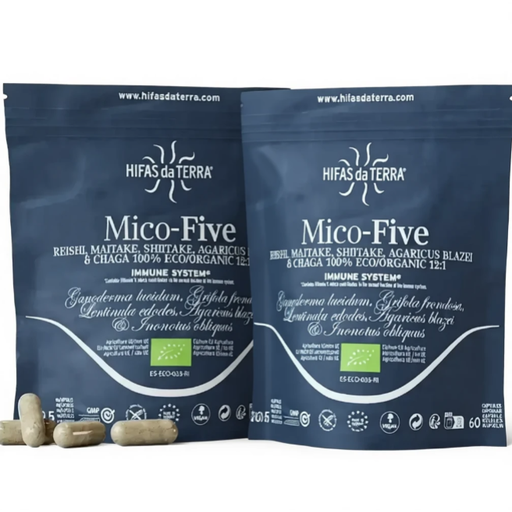
Why This Fits Their Persona: Suits shoppers who prioritise organic certification, a defined mushroom blend and plant-based capsule materials.
It identifies five organic mushroom extracts and provides extraction and beta-glucan information rather than relying only on broad marketing language.
Vegan and free from gluten, dairy, soya and artificial additives; daily serving is two capsules.
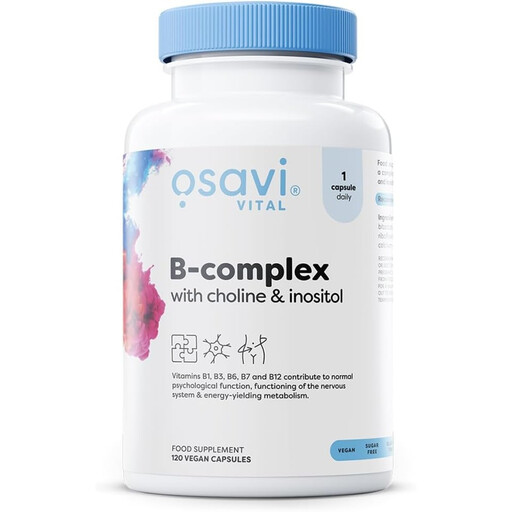
Why This Fits Their Persona: Designed for adults comparing comprehensive vitamin B complex supplements for demanding work, study or active daily schedules.
The full per-capsule quantities are listed for all eight B vitamins, plus choline and inositol, so buyers can compare without guessing.
One vegan capsule daily; free from gluten, soya, dairy, sugar, binders and fillers.
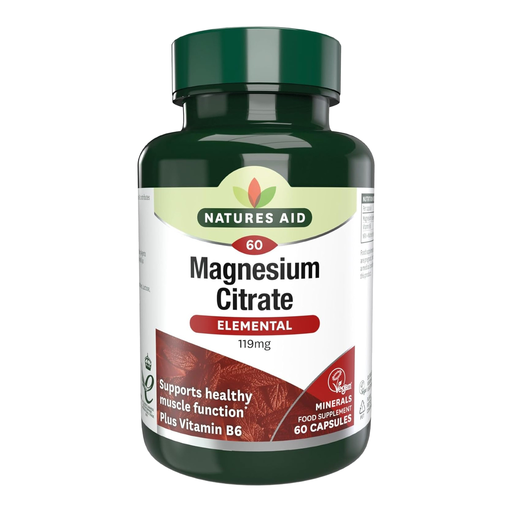
Why This Fits Their Persona: A practical choice for adults building a broader daily routine around magnesium, vitamin B6 and normal energy metabolism.
The label distinguishes elemental magnesium from the citrate compound and gives the amount of vitamin B6 per capsule.
One capsule daily; provides 119 mg elemental magnesium and 5 mg vitamin B6 per capsule.
Many products are designed for daily use, but suitability depends on the formula, dose and your existing diet. Follow the product label and avoid duplicating high-dose nutrients across several supplements. Consult a healthcare professional if you take medication or have an underlying condition.
Look for vegan capsule shells and check every ingredient and allergen statement. Vegan immune supplements may include lichen-derived vitamin D3, nutritional yeast nutrients, B vitamins or mushroom extracts. Certification and the product’s full label provide more reliable information than front-of-pack wording.
Divide the capsule count by the stated daily serving. A 30-capsule product taken once daily provides 30 servings; a 60-capsule product taken twice daily provides 30 servings. Store capsules and liquids as directed, and check the best-before date and after-opening instructions before purchase.