
24/7 Customer Support

Free returns

Same-day & Next-day Delivery

Quality Guaranteed

Unlock Your Welcome Offers: FREE Delivery | Up to 80% OFF | Free 30-day JoyPlus trial
Download the APP
Choosing immune support supplements in the UK can be surprisingly difficult. Shelves and online listings are filled with vitamin blends, herbal liquids, gummies and high-strength capsules, all using similar phrases such as “immune defence” and “daily protection”. The useful differences are usually found in the label, dosage and suitability details rather than the front-of-pack claims.
The following guide explains what to check before buying immune system supplements, with practical options for adults, children, vegans and people who prefer liquid or chewable formats.
A large percentage of NRV may look impressive, but a high-strength formula is not necessarily appropriate for everyday use. For example, some zinc supplements provide 30mg per capsule, while a multivitamin may already contain zinc. Combining products can push total intake higher than intended.
The same issue applies to vitamin D supplements. Products can range from 10µg to 100µg per serving. Check the amount per daily dose, not just the headline strength, and seek medical advice before using high-dose products, particularly if you take medicines or have an underlying condition.
Children’s products are not interchangeable with adult daily immunity vitamins. A supplement designed for children aged 4–12 will have different nutrient amounts and directions from one intended for adults. Some gummies and liquids are suitable only for teenagers aged 12 and over, while others are designed for infants and toddlers.
Always check the stated age range, measuring instructions and whether adult supervision is required.
Gummies, liquids and sachets can be easier to take, but convenience does not replace checking the nutritional panel. Some gummies contain sugar or glucose syrup, while liquid formulas may contain fruit concentrates, wheat or milk. A capsule may offer a shorter ingredient list and a clearly measured serving.
Terms such as “wholefood”, “liposomal” and “natural” describe a product’s formulation or marketing position; they do not remove the need to compare nutrient amounts, warnings and evidence on the label.
Common immune system supplements include vitamin C, vitamin D and zinc. These nutrients contribute to the normal function of the immune system when consumed as part of the diet. Multivitamins may also provide vitamin A, selenium, iron and B vitamins, but more ingredients can mean more potential overlap with other products.
Herbal products, including elderberry supplements and echinacea supplements, should be assessed separately from vitamin formulas. Check the recommended duration, age restrictions and medicine warnings. Do not assume that an herbal ingredient is suitable for children, pregnancy or long-term use.
Compare the amount per recommended serving and the UK/EU Nutrient Reference Value (NRV) where shown. A product providing 100% NRV is not automatically preferable to one providing less; the right choice depends on your diet, age and individual requirements.
For example, an adult vitamin C capsule may provide 140mg per day, while a higher-strength formula provides 1,000mg across two capsules. These are different use cases, not simply different quality levels.
Choose a format that fits your routine:
Check the full allergen statement. Wheat, gluten, milk, soya and coconut can appear in otherwise simple-looking formulas.
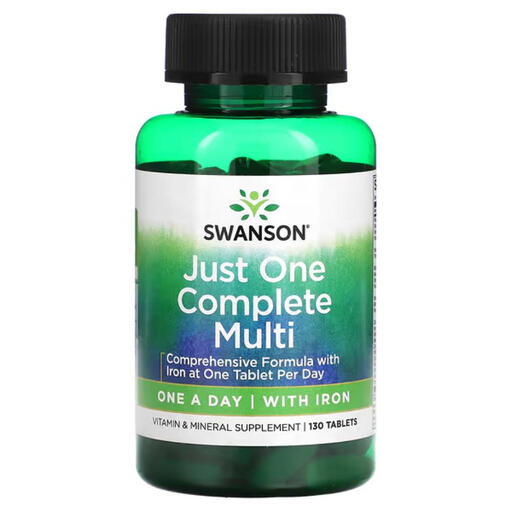
Why This Fits Their Persona: A large 130-tablet pack provides a straightforward one-tablet-per-day routine for adults comparing broad nutritional coverage and pack quantity.
The label clearly lists each nutrient and serving size, helping shoppers avoid paying for an unclear proprietary blend. It contains iron, so it should not be combined casually with another iron product.
One tablet daily; broad vitamin and mineral profile; 130-tablet format.
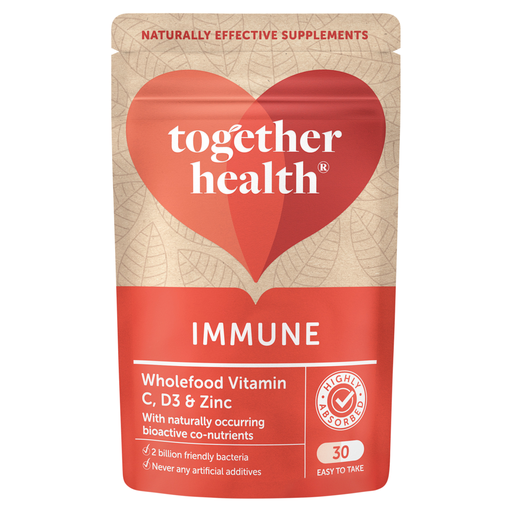
Why This Fits Their Persona: Suitable for adults seeking a vegan, wholefood-style formula with vitamin C, vitamin D3, zinc, selenium and a stated live culture count.
It identifies plant-based vitamin D3 from lichen and states that it is free from dairy, soya and gluten, making dietary checks more transparent.
Vegan formula; one capsule daily; 80mg vitamin C and 5µg vitamin D3 per capsule.
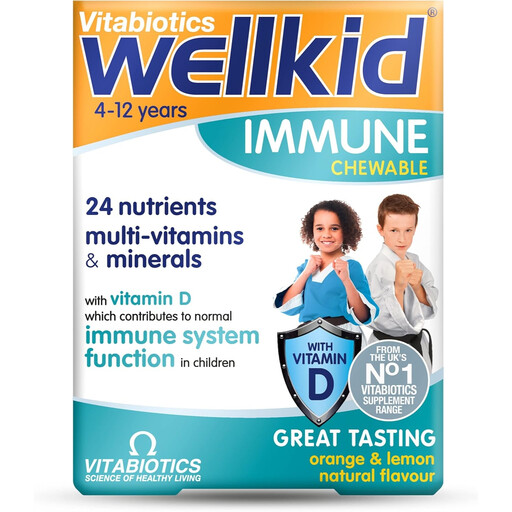
Why This Fits Their Persona: Designed for children aged 4–12 who need a chewable daily multivitamin rather than an adult capsule.
The age range, vegetarian suitability and one-tablet dosage are stated clearly. It should not be given to children under four or combined with another multivitamin.
24 listed nutrients; orange and lemon flavour; chewable format.
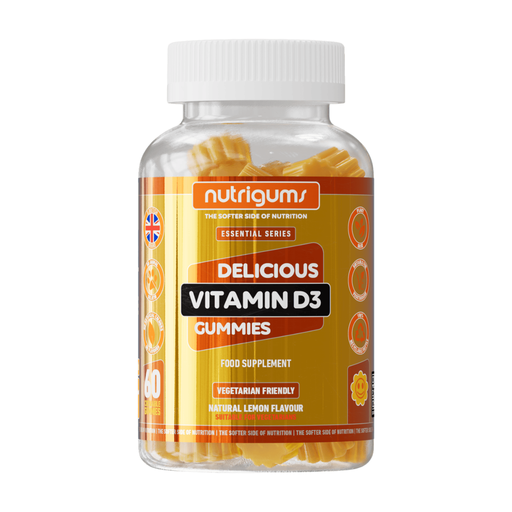
Why This Fits Their Persona: A chewable option for adults and children aged 12 and over, particularly those with limited sunlight exposure or difficulty swallowing capsules.
The serving is limited to one gummy daily and the product states that it is not suitable under age 12. Its ingredient list also shows glucose syrup and sugar, which helps shoppers make an informed choice.
1,000 IU vitamin D3 per gummy; vegan and vegetarian-friendly pectin formula; 60-gummy pack.
We have compiled a complete, real-time list of products that fully satisfy these strict selection criteria and UK safety regulations.
Vitamin D supplements are commonly considered during periods of limited sunlight, while vitamin C and zinc are available as standalone products or in multivitamins. Compare the dose with other products you already take and follow the label. A supplement should complement a varied diet rather than replace it.
Some are suitable for children aged 12 and over, while others are intended for younger children or adults only. Check the exact age guidance, daily limit and supervision instructions. Never give an adult high-strength product to a child without appropriate medical advice.
It depends on the combined nutrient amounts. Read every label and add together the daily servings, particularly for zinc, vitamin D, vitamin A and iron. If you take prescription medicines, are pregnant or have a medical condition, consult a pharmacist or healthcare professional before adding a new supplement.