
24/7 Customer Support

Free returns

Same-day & Next-day Delivery

Quality Guaranteed

Unlock Your Welcome Offers: FREE Delivery | Up to 80% OFF | Free 30-day JoyPlus trial
Download the APP
As a Joybuy Product Recommendation Officer, my role is to help you navigate the crowded market of daily wellness supplements. When it comes to immune support, the shelves are packed with options, but not all are created equal. Many UK shoppers find themselves confused by complex labels and bold marketing claims. This guide will help you understand what truly matters, so you can make an informed choice for your health and budget.
Before you add anything to your basket, be aware of these common traps that can lead to a wasted purchase:
To choose wisely, focus on these three core factors. They will empower you to read any label and understand its true value.
A handful of vitamins and minerals are well-recognised for their role in supporting the normal function of the immune system. When analysing a product, check for these key players:
How you take a supplement is just as important as what's in it. If it's inconvenient, you're less likely to take it consistently.
Beyond core vitamins, you'll find a range of herbal and speciality ingredients.
Based on the criteria above, here are some product recommendations tailored to different needs and lifestyles.
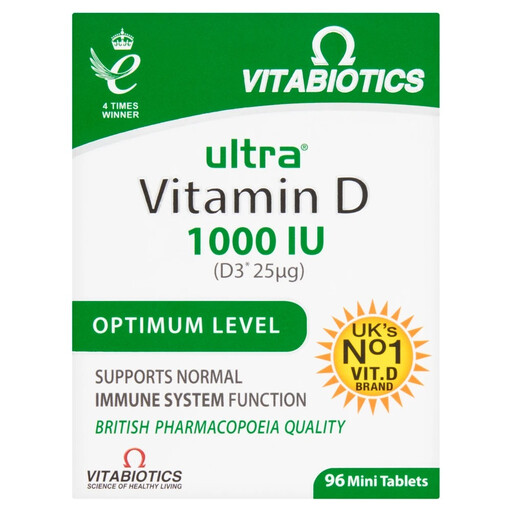
Why This Fits Their Persona: For those with a demanding schedule, a simple, once-a-day tablet is ideal. This supplement provides a solid dose of Vitamin D, a crucial nutrient for anyone living in the UK, without the complexity of a multi-ingredient formula.
It avoids the "kitchen sink" approach by focusing on one key, bioavailable nutrient (Vitamin D3) at an effective dose (1000 IU), which is straightforward and easy to understand.
Provides the preferred D3 form for better utilisation. The mini tablets are easy to swallow and a single pack offers a three-month supply.
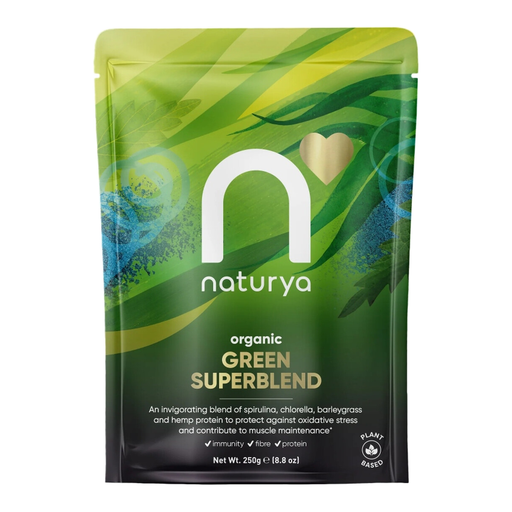
Why This Fits Their Persona: This user prioritises clean, plant-based and certified ingredients. A versatile powder that can be added to a morning smoothie or juice fits perfectly into a health-focused lifestyle.
It counters the vague "natural" claim by being Soil Association certified organic. The label is transparent, listing five recognisable superfoods like spirulina and chlorella.
It's a source of plant-derived nutrients, including Iron and Vitamin B12, which support energy and immune function. It is 100% vegan and gluten-free.
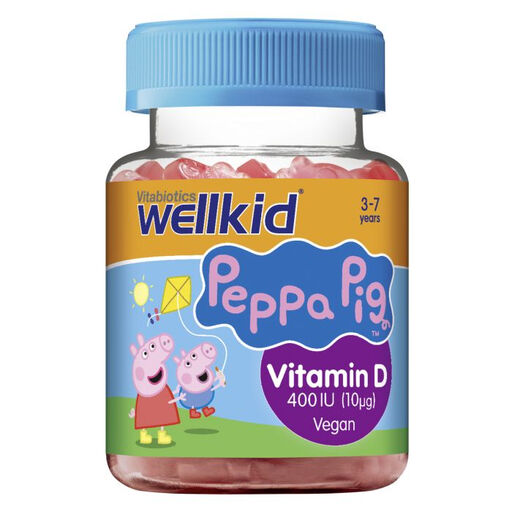
Why This Fits Their Persona: Parents need a supplement that is safe, effective and that their children will actually take. This product is specifically formulated for children aged 3-7, with a dosage and format designed for them.
It avoids the pitfall of poor bioavailability by using vegan Vitamin D3. The dosage is tailored for young children, ensuring it's both safe and appropriate, unlike adult formulas with excessive levels.
The delicious natural strawberry flavour and chewable gummy format make it easy for children to take. It also supports normal bone growth and development.
We have compiled a complete, real-time list of products that fully satisfy these strict selection criteria and UK safety regulations.
1. How long should I take immune support supplements for? This depends on the supplement. Foundational nutrients like Vitamin D are often recommended for daily, long-term use, especially during the autumn and winter months in the UK. Other supplements, particularly herbal ones like Echinacea, are typically suggested for short-term, cyclical use (e.g., for up to eight weeks). Always read the product label for specific usage instructions.
2. Can I get all the immune support I need from my diet? A varied and balanced diet is the cornerstone of good health. However, certain factors can create nutritional gaps. Modern lifestyles, dietary restrictions (like veganism) and limited sun exposure in the UK can make it difficult to get optimal levels of every nutrient from food alone. Supplements can be a practical way to fill these specific gaps and support your overall wellness goals.
3. Are more expensive supplements always better? Not necessarily. A higher price can sometimes reflect superior ingredient sourcing, higher bioavailability, organic certification or extensive research. However, it can also be due to marketing and branding. The most important thing is to ignore the hype, read the label and check that the product contains the right ingredients in the right forms and at the right dosages for your needs.