
24/7 Customer Support

Free returns

Same-day & Next-day Delivery

Quality Guaranteed

Unlock Your Welcome Offers: FREE Delivery | Up to 80% OFF | Free 30-day JoyPlus trial
Download the APP
Choosing immune support supplements can seem straightforward until you compare dosage, ingredients, formats and age restrictions. A colourful gummy may be convenient, while a high-strength capsule may offer more of one nutrient than you actually need. Some products combine several vitamins, herbs and minerals, making it difficult to identify what you are taking each day.
This guide explains the practical checks that can help UK households compare vitamin D3 supplements, vitamin C supplements, zinc supplements, elderberry supplements, multivitamins and vegan supplements with greater confidence.
A large number on the front of the pack can look impressive, but it may not match your dietary needs. For example, the supplied products range from 25µg (1,000 IU) of vitamin D3 per gummy or capsule to 100µg (4,000 IU) per capsule. These are not interchangeable choices.
Check the serving size, nutrient amount and recommended age group. Avoid combining several products containing vitamin D, zinc, selenium or vitamin A without checking the total daily intake. High-strength products may require advice from a pharmacist or GP, particularly if you take medicines or have an existing condition.
Elderberry, echinacea, sea moss and botanical blends may sound gentler than conventional nutrients, but natural ingredients can still interact with medicines or be unsuitable for certain people. Echinacea capsules, for example, are generally presented for adult, periodic use and may not be appropriate for children, pregnancy or some autoimmune conditions.
Read the full ingredient list rather than relying on terms such as natural, clean or herbal. Look for allergens, sweeteners, iodine content, capsule materials and usage limitations.
A supplement that is difficult to swallow or needs refrigeration may not fit your routine. Liquid multivitamins and elderberry products can be easier for some families, but they may contain sugars and often have shorter use periods after opening. Gummies are convenient, although they can contain glucose syrup or sugar and should be stored securely because they may resemble sweets.
Always follow the label, keep supplements away from children and check the best-before information before purchasing.
Compare the amount per daily serving, not simply the amount per container. Vitamin C supplements may provide 140mg in a capsule, while a broader immune powder may include vitamin C alongside vitamin D, zinc, selenium and B vitamins. A multivitamin can be useful for general coverage, but a single-nutrient product may be easier to manage when you have a specific dietary reason for taking it.
For everyday wellness, check whether the product contains the nutrient you actually want. Vitamin D3 supplements are commonly considered in the UK because sunlight exposure can be limited, particularly during darker months or for people who spend much of the day indoors. Vitamin D contributes to the normal function of the immune system and also supports normal bones, teeth and muscle function.
Do not assume an adult formula is suitable for children. The products below include options for adults and children aged four and over, while several vitamin D3, zinc and selenium products are intended only for adults or people aged 12 and above.
Check whether the daily serving is one capsule, one gummy, a measured liquid dose or a sachet mixed with water. For children’s products, adult supervision is important, and the recommended serving must not be exceeded.
Vegans and vegetarians should check whether capsules use hydroxypropylmethyl cellulose or whether gummies use plant-based pectin rather than gelatine. Also review allergen statements carefully. For example, a liquid multivitamin may contain wheat germ, while another formula may be free from gluten, dairy, soya and nuts.
Format also affects convenience: capsules suit simple routines, gummies help people who dislike tablets, and powders or liquids may work better for those who prefer flexible serving methods.
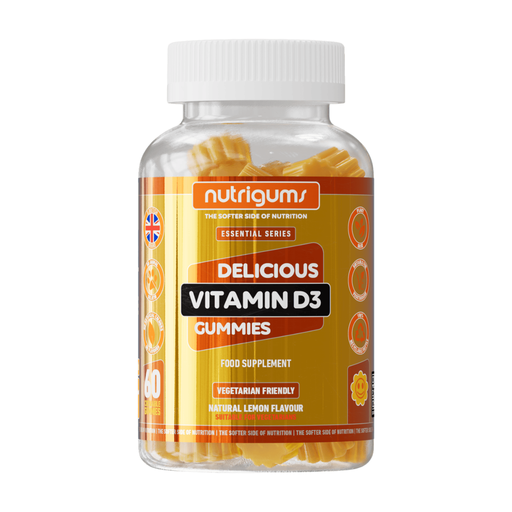
Why This Fits Their Persona: A straightforward two-month format for adults and children aged 12 and over who prefer a chewable option without gelatine.
The label clearly states one gummy daily, its 25µg vitamin D3 amount and its age restriction, making comparison easier.
Vegan pectin formula; natural lemon flavour; 1,000 IU (25µg) vitamin D3 per gummy.
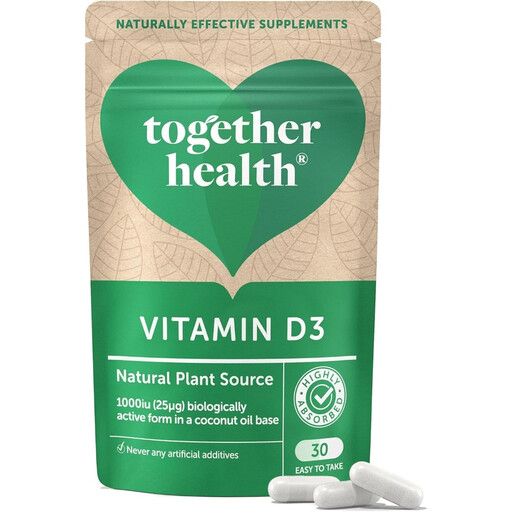
Why This Fits Their Persona: Suitable for adults following a vegan lifestyle who want a plant-sourced D3 capsule for a simple daily routine.
The product specifies lichen as the D3 source and uses a vegetable capsule, rather than leaving dietary suitability unclear.
Provides 25µg (1,000 IU) vitamin D3; uses a plant-based source and coconut oil in the formulation.
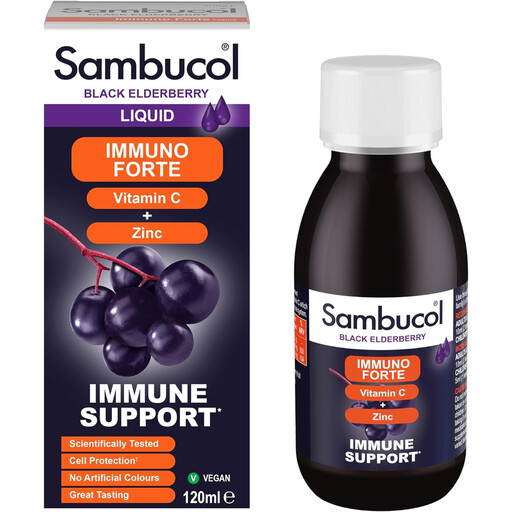
Why This Fits Their Persona: A liquid format for households seeking elderberry supplements suitable for adults and children over four, subject to the label dosage.
Its serving information separates the 5ml and 40ml nutritional values, helping shoppers avoid confusing a small serving with the maximum daily amount.
Contains black elderberry juice, vitamin C and zinc; raspberry-flavoured liquid format.
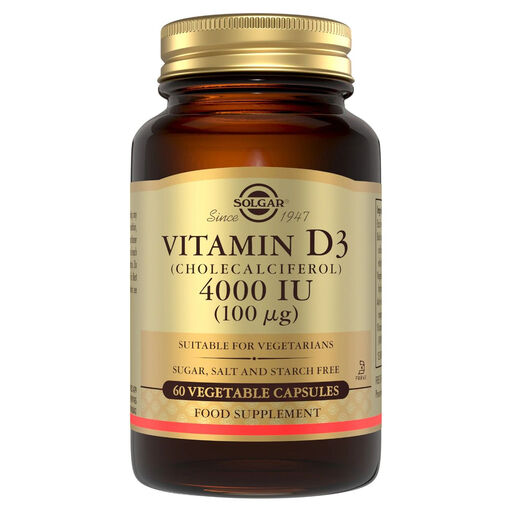
Why This Fits Their Persona: Intended for adults aged 18 and over who have a specific reason to consider a high-strength vitamin D3 supplement.
The 100µg (4,000 IU) strength and adult-only suitability are clearly specified, signalling that it should not be selected casually or combined with other D3 products.
High-strength cholecalciferol; vegetable capsules free from gluten, dairy, soya, sugar and artificial colours.
We have compiled a complete, real-time list of products that fully satisfy these strict selection criteria and UK safety regulations.
No. Supplements are intended to complement a varied, balanced diet and healthy lifestyle, not replace them. Consider your diet, age, routine and any advice from a healthcare professional before choosing a product.
Some products combine these nutrients, while others provide one nutrient only. Check every label and add the daily amounts together before using multiple products. Speak to a pharmacist or GP if you take medication, are pregnant or breastfeeding, or have a medical condition.
This varies by product. Some liquids require refrigeration and should be consumed within a stated period after opening. Gummies should usually be kept tightly closed in a cool, dry place. Always follow the physical product label, as formulations, packaging and instructions may change.