
24/7 Customer Support

Free returns

Same-day & Next-day Delivery

Quality Guaranteed

Unlock Your Welcome Offers: FREE Delivery | Up to 80% OFF | Free 30-day JoyPlus trial
Download the APP
Choosing immune support supplements can become confusing quickly. Shelves and search results are filled with vitamin C, vitamin D, zinc, elderberry and echinacea products, often presented with impressive-sounding claims. The right choice depends less on the most dramatic label and more on dosage, format, dietary suitability and age guidance.
This guide explains the main buying pitfalls, the specifications worth checking and a selection of products for different UK lifestyles.
A larger number on the front of a bottle does not automatically make a product more appropriate for daily use. For example, some zinc supplements provide 30mg or 50mg per serving, while others provide 10mg. Long-term use of high-dose minerals may not be suitable for everyone, and some product labels specifically limit duration or advise professional guidance.
Check the amount per serving, the recommended daily intake and whether the serving means one capsule, two capsules, a drop or a measured quantity of liquid.
Terms such as “natural”, “wholefood” and “liposomal vitamins” describe ingredients or delivery formats, but they do not remove the need to check the complete formula. A liquid may contain glucose syrup or fruit sugars, while a herbal product may not be suitable during pregnancy, alongside medication or for people with particular conditions.
Liposomal products use phospholipid-based delivery systems. They may appeal to people who prefer liquid or easy-to-swallow formats, but compare the actual nutrient quantity, directions and evidence behind any absorption statement rather than relying on packaging language.
Not every adult supplement is suitable for children. Some products are specifically labelled for adults aged 18 and over, while children’s immune support vitamins may be designed for a defined age range, such as 4–12 years.
Also check for soya, milk, wheat, gluten, coconut, yeast and other allergens. “Vegan” does not necessarily mean allergen-free, and vegetarian vitamin D3 may still be sourced from lanolin rather than algae.
Vitamin C supplements contribute to normal immune system function and are available as ascorbic acid, calcium ascorbate or wholefood citrus preparations. Vitamin D supplements are especially relevant to people with limited sunlight exposure. UK government guidance recommends that adults and children consider a daily vitamin D supplement during autumn and winter, while some people may need it throughout the year.
Zinc supplements provide a single mineral, while combination products may include vitamin C, vitamin D, selenium or vitamin K2. Avoid automatically combining several products without checking for duplicated nutrients.
Herbal options, including an elderberry supplement or echinacea supplement, have different ingredient profiles and usage restrictions. They should be treated as dietary supplements rather than medicines.
Capsules and tablets make serving size straightforward. Liquid immune support supplements require more attention: check whether the stated amount is per drop, 2ml, 5ml, 10ml or 20ml. A supplied dropper or measuring cup is useful for repeatable dosing.
For children, follow the label precisely. Do not give an adult product to a child simply because it contains a familiar nutrient.
For vegan immune support, check the source of vitamin D3. Algae-derived D3 is plant-based, whereas lanolin-derived D3 is generally vegetarian but not vegan. Capsule shells should also be checked for gelatin.
Liquid products may require refrigeration after opening and consumption within a stated period. Capsules usually need a cool, dry cupboard. Always rely on the latest physical label because formulations, packaging and instructions can change.
The following options are matched to different shopping needs rather than ranked against one another.
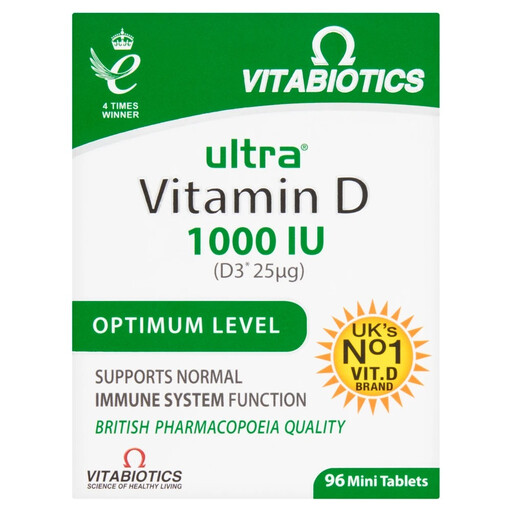
Why This Fits Their Persona: A straightforward tablet format for adults who want a single vitamin D product for an everyday winter routine, particularly with limited sunlight exposure.
The label states one tablet daily and provides 25µg of vitamin D3 per tablet, making the serving easy to compare.
Mini tablets; 96-tablet pack; suitable for adults and designed to be taken with water and a meal.
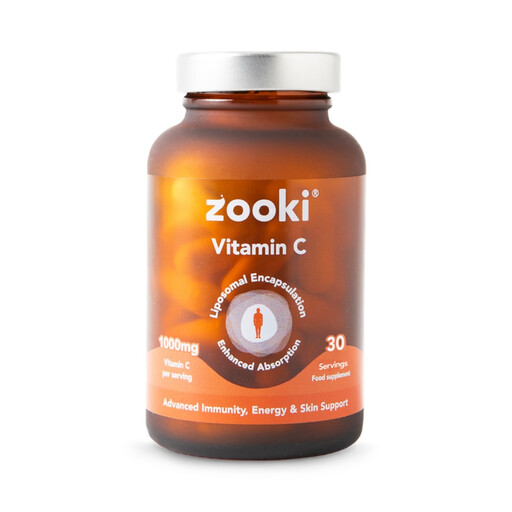
Why This Fits Their Persona: Suits adults seeking a vegan-friendly vitamin C format with a clearly stated 1,000mg serving and no liquid mixing.
The serving is stated as two capsules, rather than leaving shoppers to infer the daily amount from the capsule strength.
1,000mg vitamin C per two-capsule serving; vegetable capsules; free from gluten, dairy and soya according to the listing.
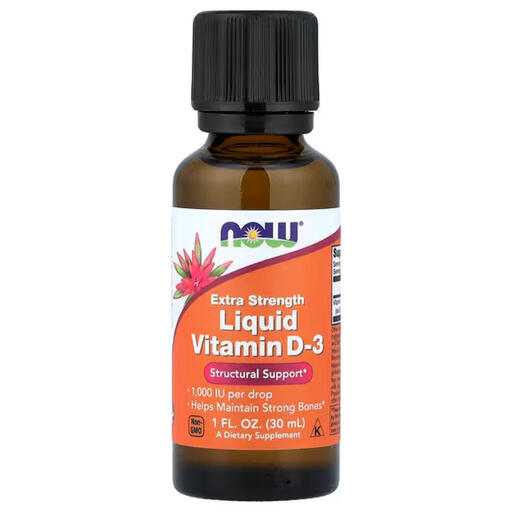
Why This Fits Their Persona: A practical option for adults who dislike swallowing tablets and prefer adding a measured drop to water, juice or a meal.
Each drop contains 1,000 IU, so the label gives a precise reference point for dosing with the supplied dropper.
30ml liquid format; approximately 900 servings; vegetarian suitability stated on the product information.
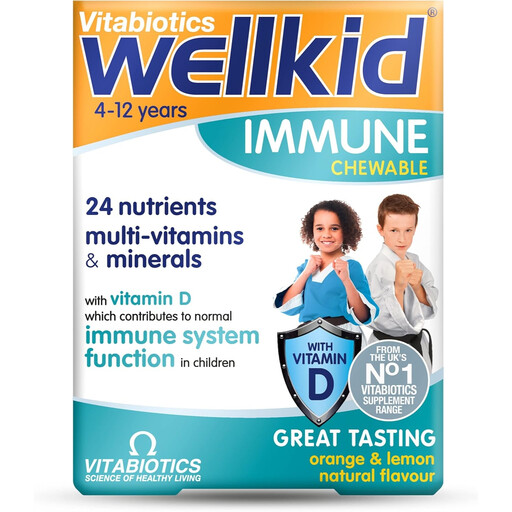
Why This Fits Their Persona: Designed for children aged 4–12, with a chewable orange and lemon format that can be easier than capsules or liquid measuring.
The age range and one-tablet daily direction are clearly stated, reducing the risk of using an adult formula for a child.
24 listed nutrients; vegetarian suitability; includes vitamin C, vitamin D and zinc.
We have compiled a complete, real-time list of products that fully satisfy these strict selection criteria and UK safety regulations.
Check the product label rather than assuming. Tablets and capsules are generally stored in a cool, dry place until the printed best-before date. Some liquid immune support supplements require refrigeration after opening and use within four weeks. Close containers securely and keep all products out of children’s reach.
Some combination formulas contain all three, but taking separate products may duplicate nutrients. Compare each serving and review warnings before combining them. If you take prescribed medication, are pregnant or breastfeeding or have a medical condition, ask a pharmacist or healthcare professional first.
No. Food supplements should complement, not replace, a varied diet and healthy lifestyle. Read the label, follow the recommended dose and avoid products making disease-treatment or prevention promises.