What matters when choosing
Start with your sleeping position and the device playing your lectures. Then decide how much room noise you need to reduce without losing awareness of sounds that matter.
Conventional wired in-ear monitor
Consider it when: you have a compatible wired source and prioritise passive isolation for spoken-word listening.
Accept the trade-off: the shell and cable need a personal comfort check in bed, and stronger isolation can make room alerts harder to notice.
Sleep-focused wireless earbud
Consider it when: you sleep on your side and want to stream lectures without managing a cable.
Accept the trade-off: fit remains individual, and the battery duration for Bluetooth streaming may differ from a separate sleep-audio mode.
| Concern |
What to check |
Who this matters to |
| Comfort against a pillow |
Check the housing profile and tip choices in your usual sleeping position; a softer or less sealed tip can change how much noise you hear. |
If I lie on my side, pressure on the pillow-facing ear could stop me listening before I finish a lecture. Around 36% of consumers put pressure-free side-sleep comfort first. |
| Clear speech at a comfortable volume |
Try the supplied tips for a stable seal and assess how much surrounding sound you still need to hear. Do not choose from an isolation figure alone. |
With household noise competing with the recording, I want to follow the lecturer without repeatedly raising the volume; around 29% of consumers make spoken-word audibility their primary concern. |
| Wireless lecture playback |
Check battery life specifically for Bluetooth playback and whether your lecture app continues playing as intended. |
I want a cable-free session that lasts as long as I plan to listen, rather than relying on a figure for another audio mode. That is the first priority for around 21% of consumers. |
| Wired-device compatibility |
Confirm your device connection or required adapter, and check the cable route and replacement connector. |
If I already use a wired source, I would rather confirm a straightforward connection and manageable cable than plan around charging; around 14% of consumers prioritise that wired setup. |
Brands to consider for bedtime listening
These brands illustrate different product approaches, not a guarantee that every model they make will suit sleeping in earphones.
Shure
The SE215 is a conventional wired option for listeners who want sound isolation, sleeve choices and a detachable lead.
- Shure states that the SE215 offers up to 37 dB of sound isolation and has a detachable 3.5 mm MMCX cable and several foam and soft-flex sleeve sizes.
- Shure does not position the SE215 as a sleep-specific earphone. Check both pillow pressure and where its cable will sit.
Etymotic
The ER2XR is a conventional in-ear option to examine when passive isolation is a leading concern.
- Etymotic states that the ER2XR provides 35–42 dB of passive attenuation. That is a model-specific manufacturer figure, not a measure of lecture comprehension.
- A deep seal requires a personal fit check and may be inappropriate if you need to hear people or alerts in the room.
soundcore
Sleep A20 is a sleep-focused wireless alternative for listeners who prioritise a cable-free setup against a pillow.
- soundcore describes the Sleep A20 as a slim design for side sleepers and states up to 10 hours per charge in Bluetooth Mode.
- soundcore states that Sleep A20 has no active noise cancellation. Its fit and any noise-masking benefit depend on the tips used; it is not a conventional wired monitor.
Joybuy products to consider
These wireless in-ear options are relevant to playing lectures in bed. The sleep-focused models invite a closer look at pillow comfort; for the general-purpose noise-cancelling earbuds, check that comfort separately rather than assuming they are designed for sleep.
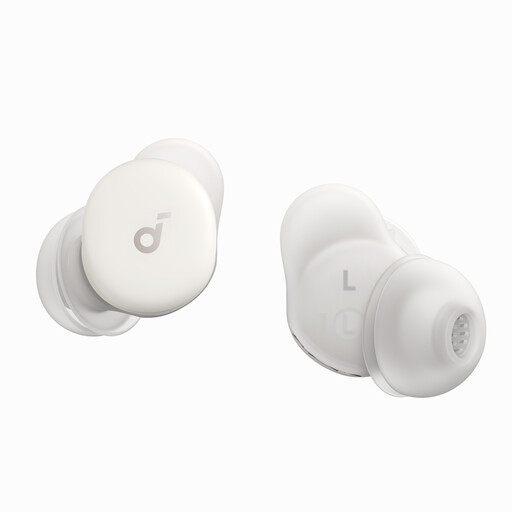 Image unavailable
soundcore Sleep A30 earbuds with active noise cancellation and snore masking
Consider these if competing sounds are part of your bedtime listening decision and you want a sleep-focused wireless model.
The product name identifies active noise cancellation and snore masking. Check Bluetooth lecture-playback duration, supplied tip sizes and comfort against your own pillow before choosing it for a full session.
View on Joybuy
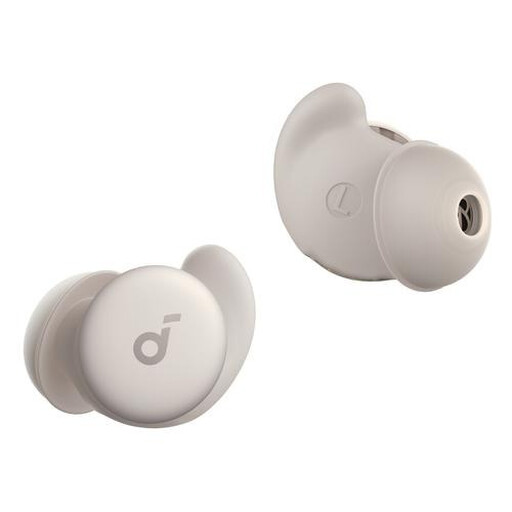 Image unavailable
soundcore Sleep A20 wireless earbuds, white
These are worth considering if you stream lectures wirelessly and want a design soundcore positions for side sleepers.
soundcore states up to 10 hours per charge in Bluetooth Mode and confirms that Sleep A20 has no active noise cancellation. Check the available tips and your own pillow-side fit.
View on Joybuy
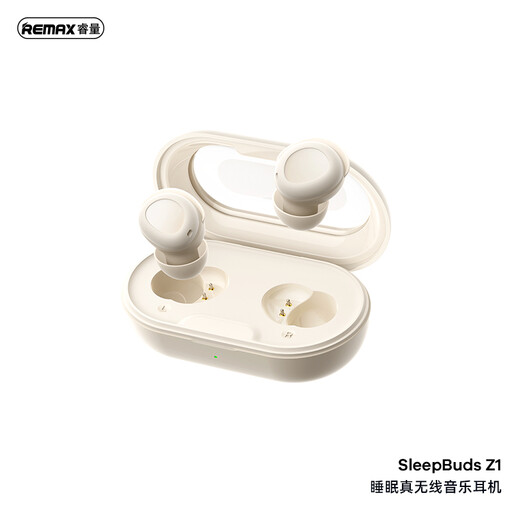 Image unavailable
REMAX SleepBuds Z1 wireless earbuds, white
These suit a closer look if your priority is a cable-free in-ear option for listening while lying down.
Check whether playback lasts for your intended lecture session and whether the tips and housings feel comfortable against a pillow.
View on Joybuy
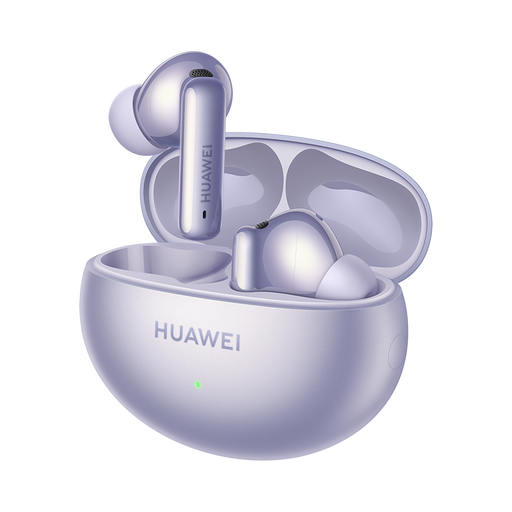 Image unavailable
HUAWEI FreeBuds 6i noise-cancelling earbuds, purple
Consider these if wireless listening and noise cancellation matter to you, while treating bedtime fit as a separate decision.
Check the housings against your pillow and confirm playback duration for your lecture app and intended noise-cancellation setting.
View on Joybuy
 Image unavailable
Sony WF1000XM5 noise-cancelling earbuds, silver
These are another wireless noise-cancelling option if room noise is part of your lecture-listening setup.
Assess pillow-side pressure before using them in bed, and check playback duration under the settings you intend to use.
View on Joybuy
Common questions
Can I use conventional in-ear monitors for lectures in bed?
Yes, if a compatible wired connection and passive isolation suit your needs and the earphones remain comfortable in your sleeping position. The Shure SE215 and Etymotic ER2XR are conventional monitors rather than sleep-specific designs, so check shell pressure, tip fit and cable placement instead of judging comfort while seated.
Does soundcore Sleep A20 have active noise cancellation?
No. soundcore states that Sleep A20 does not have active noise cancellation. If competing noise is a concern, assess how its tips fit and how much surrounding sound you can still hear rather than assuming it will cancel that noise electronically.
Which battery figure matters for streaming lectures overnight?
Use the figure for Bluetooth playback, not a separate sleep-audio mode. For Sleep A20, soundcore states up to 10 hours per charge in Bluetooth Mode, while its 14-hour figure applies to Sleep Mode; compare the relevant mode with the length of your planned session.
What if in-ear listening causes pain or persistent irritation?
Stop using the earphones and seek medical advice if pain, discharge, hearing difficulty or irritation is significant or persists. NHS guidance lists these among possible ear-infection symptoms. Do not put cotton buds or fingers into the ear canal to try to remove wax.


