For acoustic folk in a quiet library, start with a wired in-ear monitor that feels comfortable and has a sound balance you enjoy at a modest listening level. Give neutral, detail-led tuning priority if vocals and strings are your focus; give fit and passive isolation more weight if intermittent noise makes you turn up the volume. Before buying, check the connection to your device and treat manufacturers' sound and isolation descriptions as model-specific claims, not guarantees of personal fit or preference.
Who should consider these IEMs?
Listeners focused on acoustic detail
If voices and string instruments matter more to you than deliberately prominent bass or treble, consider a balanced-tuning description as a starting point. Sennheiser describes the IE 200 in these terms, but your preference for its sound remains personal.
Listeners who want fewer distractions
If occasional background noise tempts you to raise the volume, pay attention to tip fit and passive isolation. The World Health Organization advises using well-fitted headphones to reduce the need to turn up sound in noisy surroundings; the seal and comfort you achieve will depend on your ears.
Shoppers checking a wired setup
If you want to use an existing player or replace a cable later, check both ends of the connection. A 3.5 mm player-side plug, an MMCX earphone connection and a 0.78-2pin earphone connection serve different purposes and are not interchangeable.
What matters most when choosing?
For acoustic folk in a quiet library, decide how much you value tonal balance and a comfortable seal before comparing wired connections. A detachable cable can matter for replacement, but it does not settle how an IEM will sound or fit.
| Concern |
What to check |
Who this matters to |
| Vocal and string balance |
Look for a balanced-tuning description, then assess familiar recordings if you can; specifications alone cannot establish your tonal preference. |
If I mainly follow the voice and acoustic instruments, I want their balance to suit me rather than choosing by driver specifications. Around 40% of consumers would put tonal balance first. |
| Fit, isolation and volume |
Try the supplied tip options for a comfortable seal, and keep control of listening level and duration even in a quiet room. |
When intermittent noise draws my attention away, I need a fit that helps me listen without continually raising the volume. For around 40% of consumers, that is the primary concern. |
| Device and cable connection |
Confirm the player-side output and any adapter requirement; for replacement cables, match the exact earphone-side connector. |
If I plan to use a particular device or replace a worn cable, I need the connections to match before sound preferences matter. Connection and cable flexibility come first for around 20% of consumers. |
What should you avoid overlooking?
-
Treating an isolation figure as a guaranteed result
Shure says isolation varies with ear-canal shape, sleeve choice, model and fit. It also says its earphones are not NRR-rated hearing-protection devices.
Use stated attenuation as a model-specific claim, then assess tip comfort and seal. Do not use an IEM in place of hearing protection where that is required.
-
Choosing by driver or frequency figures alone
Those specifications do not tell you whether you will like the level of bass or the presentation of vocals and strings.
Start with the sound balance you want and, where possible, listen to familiar acoustic-folk recordings. Treat a manufacturer's tuning description as a guide to that model, not a verdict on your preference.
-
Checking only one end of the cable
The wired models discussed here include different earphone-side connector systems. A suitable player-side plug does not make a replacement cable suitable for every IEM.
Check your device's audio output, whether you need an adapter and the exact earphone-side connector before choosing a cable or IEM.
Brands to consider
These named product lines offer different specifications to examine; a brand's inclusion does not establish that every model will suit acoustic folk or your ears.
Sennheiser
The wired IE 200 is a reference point if an even, detail-led sound is your priority.
- Sennheiser describes the IE 200 as diffuse-field equalised and balanced. It specifies a 3.5 mm plug, MMCX connectors and adjustable ear hooks.
- That tuning description does not establish how you will judge its sound; confirm that your source device can use its 3.5 mm connection.
Shure
The SE215 is worth considering if a secure fit, sleeve choices and a detachable cable matter to you.
- Shure lists fit-kit sleeves, a detachable 3.5 mm MMCX cable and up to 37 dB of sound isolation for the SE215.
- Shure says actual isolation depends on ear shape, sleeves and fit; its earphones are not NRR-rated hearing-protection devices.
Etymotic
The ER2XR offers a deep-fitting route for listeners who give passive attenuation particular weight.
- Etymotic states 35–42 dB of passive attenuation and describes the ER2XR as having flat mids and highs with emphasised bass.
- The attenuation figure is the manufacturer's claim, while comfort with a deep fit and preference for its bass balance need individual assessment.
MOONDROP
The Aria 2 provides a wired specification point for shoppers interested in a 0.78-2pin cable connection.
- MOONDROP lists a 0.78-2pin connector and a 3.5 mm plug for the Aria 2.
- Check the fit, sound balance and purchase arrangements relevant to you rather than assuming its connector type determines suitability for acoustic folk.
Wired in-ear options on Joybuy
These wired in-ear options offer different connections and fit accessories for the library-listening scenario. Check the listed model's sound balance and comfort against your own priorities; they are not substitutes for the named models discussed above.
 No image available
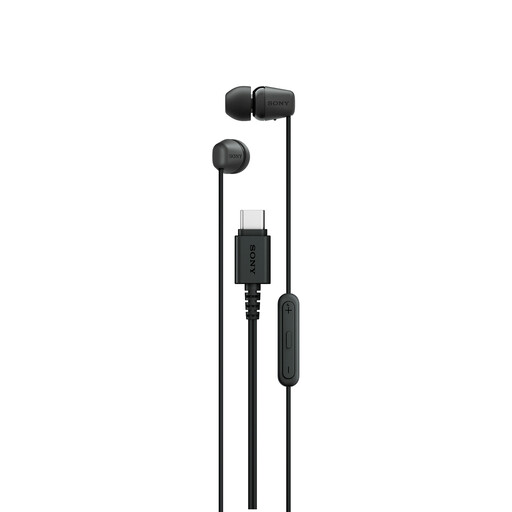
Sony IER-EX15C USB-C Wired Earbuds (Black)
Consider these for a wired USB-C listening setup if you can check that their fit and sound balance suit your acoustic-folk recordings.
The cable is fixed, so this is not a detachable-cable choice. Confirm that your device supports USB-C audio output.
Joybuy
 No image available
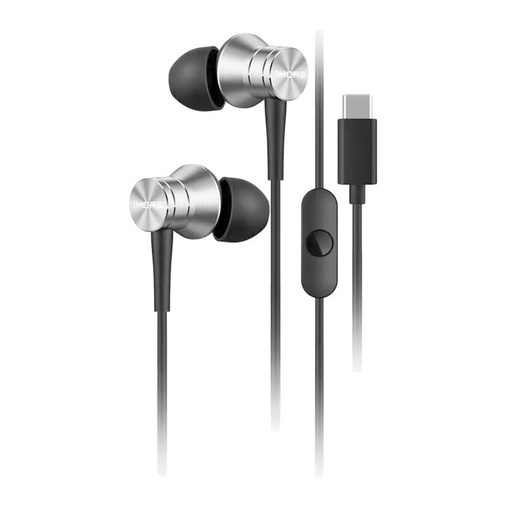
1MORE P10 Piston Type-C Wired Earphones (Silver)
These are another wired USB-C option if you want to try different tips for a comfortable library-listening fit.
The product information describes a Kevlar-reinforced cable and extra silicone tips. Confirm USB-C audio compatibility with your device, and check cable replaceability if that is important to you.
Joybuy
 No image available
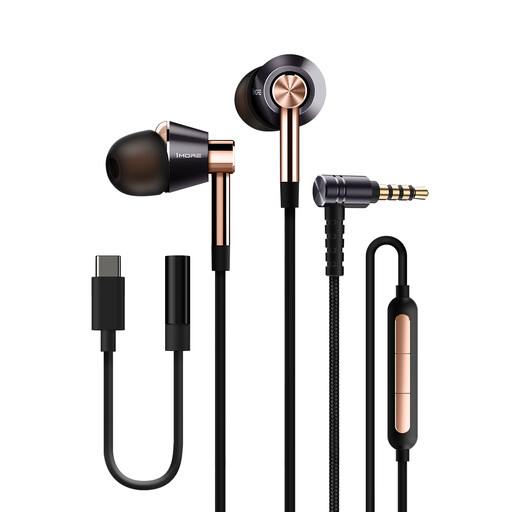
1MORE E1001 Triple Driver In-Ear Earphones with MEMS Mic (Gold)
Consider this wired option if you want silicone and foam tip choices while assessing comfort and sound balance for acoustic folk.
The product information lists an in-line remote and describes prominent deep bass; decide whether that balance suits you. Confirm the player-side connection and cable replaceability before buying.
Joybuy
Questions about fit, volume and connections
Do I need the strongest isolation for a quiet library?
Not necessarily: if the room stays quiet, comfort and a sound balance you enjoy may matter more than the highest stated attenuation. Give isolation more weight if intermittent noise makes you turn up the volume, and remember that the result depends on the seal in your ears.
How should I manage listening volume with IEMs?
Keep both sound level and listening time in mind, even in a quiet library. The World Health Organization says exposure risk depends on level and duration; its safe-listening guidance gives an example of 80 dB for up to 40 hours per week. A device's volume percentage is not a fixed sound-level measurement.
Will an advertised isolation figure apply to my ears?
No stated figure guarantees the isolation you will achieve. Shure says ear-canal shape, sleeve choice, model and fit affect the seal, so try suitable tips and assess comfort as well as noise reduction. Shure also says its earphones are not NRR-rated hearing-protection devices.
Can I use any replacement cable with a detachable-cable IEM?
No: match the earphone-side connector and the plug required by your source device. Sennheiser lists MMCX for the IE 200, Shure lists MMCX for the SE215, and MOONDROP lists 0.78-2pin for the Aria 2; these are different cable connections.


