Listeners keeping narration at a comfortable volume
If you share a bedroom, a well-fitting seal may help you follow speech when background noise is distracting. Fit matters more to this decision than a bass-heavy description.


Choose an in-ear monitor that fits comfortably and lets you follow book-review narration without turning the volume up to overcome room noise. A wired model also needs a compatible output or adapter; if you need to hear a housemate or alarm, weigh that need against stronger isolation rather than choosing the highest claimed attenuation.
If you share a bedroom, a well-fitting seal may help you follow speech when background noise is distracting. Fit matters more to this decision than a bass-heavy description.
If you listen to several reviews or podcasts at once, consider the available tip options and how securely the earpieces sit. A claimed comfortable shape cannot establish how they will feel in your ears.
Before choosing a wired in-ear monitor for a phone, tablet, laptop or audio player, check its headphone output and whether the monitor needs a compatible adapter.
In a shared bedroom, decide how much of the room you need to hear before judging isolation. Then check whether the fit will work for your listening session and whether the connection suits your device.
| Concern | What to check | Who this matters to |
|---|---|---|
| Clear speech at a comfortable volume | Check the sealing fit and supplied tip sizes. Treat claimed attenuation as dependent on the seal, not a guaranteed result in your ear. | If room noise makes me turn up a book review to catch the words, I want a fit that lets me listen more comfortably. Around 33% of consumers put low-volume speech clarity first. |
| Comfort during longer listening | Check the tip options and how the earpiece and cable sit; consider the seller’s terms for trying opened in-ear products. | For several reviews in one sitting, I need an earpiece I can wear without pressure or a slipping seal. Roughly 27% of consumers prioritise long-session fit. |
| Playback-device connection | Match a wired model’s plug to your device’s output, or confirm that a suitable adapter will work. | I do not want to choose a wired monitor only to find that it cannot connect to my phone or laptop. Around 20% of consumers make usable connectivity their primary concern. |
| Hearing the room | Decide whether you must notice nearby sounds; if so, consider an ambient-aware design rather than selecting solely by an isolation figure. | When I may need to hear a housemate or alarm, blocking the room completely is not my aim. Roughly 20% of consumers put surrounding-sound awareness first. |
The same percentage setting does not establish the sound level reaching your ears. The World Health Organization identifies both listening level and duration as factors in hearing risk.
Set narration no louder than you need and take breaks during lengthy sessions; do not rely on a fixed phone-volume percentage.
A strong seal may help with distractions, but it can also make a housemate or alarm harder to hear.
Choose an isolation-focused design when blocking room noise matters more; otherwise, investigate how an ambient-aware design lets external sound through.
The Shure SE215 and Sennheiser IE 200 use 3.5 mm connections. A device without a matching output needs a suitable connection arrangement.
Check the actual plug, your playback device’s port and adapter compatibility before ordering.
A compatible USB-C or Lightning audio adapter may be needed if your device has no 3.5 mm headphone socket.
Specifications cannot explain new difficulty understanding speech. NHS guidance recommends seeing a GP if hearing is gradually worsening and seeking urgent help for sudden hearing loss.
Seek appropriate medical advice for new, sudden or worsening symptoms rather than relying on a different earpiece to address them.
These model lines illustrate different fit, isolation and connection considerations; a brand name alone does not establish comfort or suitability for your room.
The wired SE215 is a reference point if you want to try different supplied sleeves and an over-ear cable fit.
The wired IE 200 is worth considering if you prefer the neutral presentation Sennheiser describes for this model.
The wired ER2XR is an isolation-focused option for listeners willing to assess a deeper-sealing fit.
These choices include wireless noise-cancelling earbuds and a wired in-ear model for personal listening. Compare their fit and connection with your bedroom’s noise and your need to hear people nearby.
 No image available
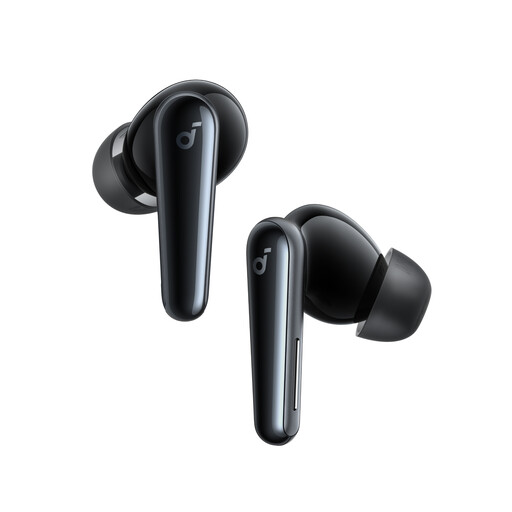
Consider this wireless model if bedroom noise interrupts narration, while checking that the earpieces fit comfortably for your session.
If you need to hear someone nearby, check how its surrounding-sound controls work for you before relying on noise cancellation.
 No image available
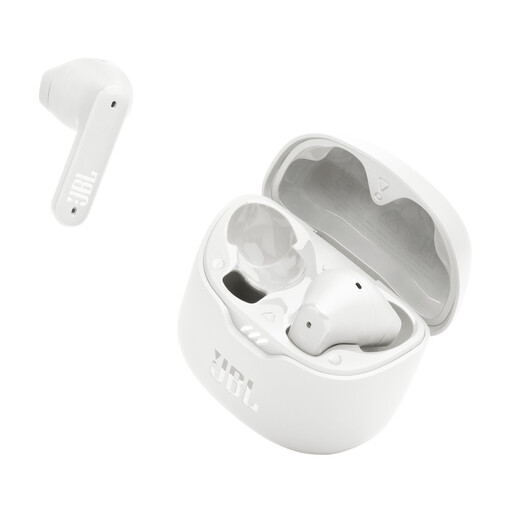
These wireless earbuds are an option if distracting room noise is your main concern. Check the supplied fit options and whether you can remain aware of nearby sounds when needed.
 No image available
If you want to move between listening and attending to the room, check how this model’s ambient controls behave in use. Confirm the included fit options before planning a longer session.
 No image available
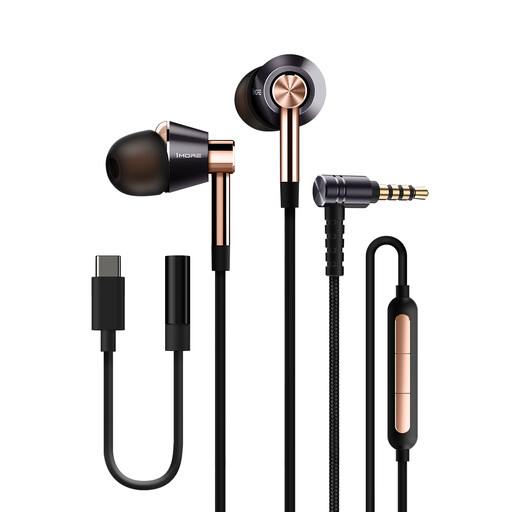
This wired option may suit you if you want to try different tip fits for spoken-word listening. Confirm its connector and whether it will work with your playback device or a suitable adapter.
 No image available
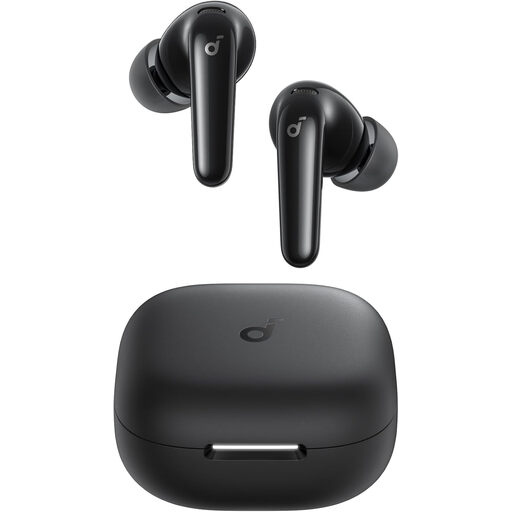
Consider these earbuds when background noise distracts from a review, without assuming noise cancellation will give you a particular result in your room. Check the tip fit and your options for hearing nearby sounds.
Choose stronger isolation when room noise makes narration hard to follow at a comfortable volume, but not automatically when you need to hear a housemate or alarm. An ambient-aware design makes a different trade-off by allowing more surrounding sound through.
Keep narration at the lowest comfortable level and take breaks rather than relying on a fixed volume percentage. The World Health Organization notes that hearing risk depends on both sound level and listening duration; a device’s percentage setting does not tell you the level reaching your ears.
It will connect directly only if its plug matches your device’s audio output. The Shure SE215 and Sennheiser IE 200 use 3.5 mm connections, so check for a suitable socket or compatible adapter before choosing either model.
An earphone specification cannot establish the cause of worsening difficulty hearing voices. NHS guidance recommends seeing a GP for gradually worsening hearing and seeking urgent help for sudden hearing loss, rather than delaying assessment for a new purchase.