Dialogue-first campers
If nearby activity competes with an author's voice, focus on an eartip seal that helps you follow speech. Strong isolation is less suitable when you need to stay aware of your surroundings.


A well-fitting wired in-ear monitor with passive isolation is a sensible starting point for listening to author interviews while seated in a sheltered part of a campsite: a secure seal can help you follow speech without simply raising the volume. Check the connection to your playback device and, if you take calls, the cable's microphone and controls. Pause or remove isolating earpieces whenever you need to hear people, vehicles or site warnings.
If nearby activity competes with an author's voice, focus on an eartip seal that helps you follow speech. Strong isolation is less suitable when you need to stay aware of your surroundings.
For a complete interview or reading, tip choice, stable fit and cable routing matter. Try the fit before travelling rather than assuming an earpiece will remain comfortable for the whole recording.
If your phone handles both playback and calls, check its audio connection and whether the particular cable has a microphone and compatible controls.
For campsite interview listening, decide whether following speech, staying comfortable through a full recording or connecting reliably to your device is your first priority. Then check the fit and connection of the model you are considering.
| Concern | What to check | Who this matters to |
|---|---|---|
| Dialogue clarity | Look for a choice of eartip sizes and check how securely they seal. Treat manufacturers' isolation figures as specifications, not a promise of the result in your ears. | When campsite activity competes with interview voices, I want to follow the conversation without turning the volume up; around 50% of consumers would put dialogue clarity first. |
| Long-session fit | Check the available tip sizes and how the cable sits around your ears. Try the fit before relying on it for a full recording. | Through a long interview, I need earpieces that stay comfortable rather than making me stop listening early; roughly 30% of consumers would prioritise fit. |
| Device compatibility | Confirm the connector or audio adapter you need. If calls matter, check the supplied cable's microphone and control compatibility. | If my phone handles interviews and calls, I need the earphones to connect and let me communicate; about 20% of consumers would put compatibility first. |
Passive isolation depends on the eartip seal, and a highly isolating fit can also make nearby speech and warnings harder to hear.
Try different tip sizes before your trip. Keep strongly isolating earpieces for seated listening when you do not need to monitor your surroundings.
A 3.5 mm cable needs a compatible socket or audio adapter. A microphone and controls are not features of every IEM cable.
Check your device's port, the earphones' connector and any adapter's support for audio and calls before ordering.
If your device has no compatible headphone socket, you may need a separate audio adapter.
The World Health Organization advises that hearing risk increases as sound gets louder and listening lasts longer.
Start at a moderate level, take breaks during long interviews and pause or remove the earpieces when you need to hear someone nearby.
Campsite policies can set their own quiet periods; Porthclais Campsite, for instance, publishes hours of 10.30 pm to 7.30 am.
Read the rules for the site you have booked and keep your playback from disturbing neighbouring pitches.
Shure's wired SE215 and AONIC 215 are relevant if you want a detachable 3.5 mm cable and a choice of sleeves.
The ER2XR is a deep-sealing wired option for listeners particularly concerned about surrounding sound.
Westone Audio's compact Pro X10 offers silicone and foam tip choices for listeners assessing long-session fit.
These wired in-ear earphones are options for listening to interviews at camp. Check each model's connection, fit and call functions against your own device before choosing.
 No image available
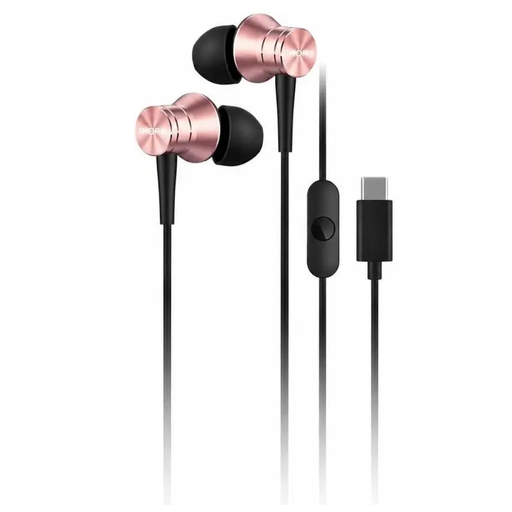
For interview playback from a USB-C device, confirm that it supports Type-C audio and that any microphone or controls work with it. Check the supplied quantity before ordering and try the eartip fit before relying on isolation.
 No image available
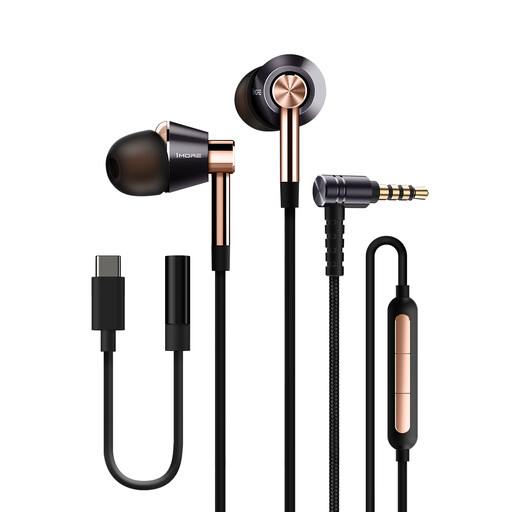
For wired interview listening that may include calls, the product title specifies a MEMS microphone. Confirm the connector matches your device or adapter, and check that the tips form a comfortable seal.
A good eartip seal can help when background activity competes with speech, but a stated attenuation figure cannot guarantee your own result. Try the fit, and pause or remove isolating earpieces whenever you need to hear people, vehicles or warnings.
Keep both volume and listening duration in mind rather than relying on a fixed phone-volume setting. The World Health Organization says risk rises with louder sound and longer exposure; a comfortable seal can help you avoid raising the volume to compete with campsite noise.
Follow the policy of the campsite you have booked and keep playback from disturbing neighbours. Porthclais Campsite, for example, lists quiet hours of 10.30 pm to 7.30 am; check your own site's times rather than assuming they are the same.
You will need a compatible audio adapter if your device lacks a socket for the IEM's connector. Shure's wired SE215 and AONIC 215 use 3.5 mm cables; for a phone without that socket, check adapter audio support and, if needed, microphone and control compatibility.