Office listeners distracted by conversation
If nearby voices obscure quiet strings and inner parts, prioritise tip fit and a dependable seal. Check whether the resulting isolation is safe for your role before choosing a deeply isolating design.


Choose an in-ear monitor by deciding how much office noise you need to block while still hearing colleagues and alarms, then weigh tonal preference, fit and cable compatibility. A good seal can make quiet chamber passages easier to follow without repeatedly raising the volume, but strong isolation is unsuitable where reliable awareness of your surroundings is required.
If nearby voices obscure quiet strings and inner parts, prioritise tip fit and a dependable seal. Check whether the resulting isolation is safe for your role before choosing a deeply isolating design.
If you care most about hearing individual instruments and changes in dynamics, consider models described as neutral or monitoring-oriented. Those descriptions express the manufacturers’ intended sound, not a guarantee that you will prefer it.
For extended listening, tip choice and cable routing may matter as much as the stated sound profile. Check how the earpieces sit with glasses or hair, and whether the cable and plug suit your desk setup.
Decide first whether reducing office sound is compatible with your need to hear people and warnings. Then consider sound preference, extended-wear fit and the connection to your work device.
| Concern | What to check | Who this matters to |
|---|---|---|
| Passive isolation | Check the supplied tips and how they seal, alongside any model-specific attenuation claim. Confirm that you can still meet your workplace’s communication and safety requirements. | If conversation masks quiet passages, I want a secure seal without relying on higher volume. Around 33% of consumers put isolation first. |
| Tonal balance | Check the exact model’s stated tuning approach; audition it or check your return options if sound preference will decide the purchase. | When following individual instruments matters most, I want a presentation that suits chamber music rather than choosing by driver count. Around 27% of consumers prioritise tonal balance. |
| Extended-wear fit | Consider tip sizes and materials, earpiece shape and how the cable sits around your ears during a desk session. | For long stretches at my desk, I need an earpiece that stays comfortable and keeps its seal. Around 27% of consumers make fit their primary concern. |
| Device and cable compatibility | Confirm the work device’s audio output, the source-side plug and the exact IEM-side connector before ordering a spare cable. | If my work device needs an adaptor or I expect to replace a cable, I need the connections to fit my setup. Around 13% of consumers put compatibility first. |
Etymotic says its 35–42 dB attenuation claim depends on the tip and insertion depth. Without a suitable seal, the isolation you experience can differ from the published claim.
Try the supplied tip options and follow the fitting instructions. Check the seller’s conditions for returning opened eartips before purchase.
Finding a stable seal may take several trials with supplied or replacement tips.
The Health and Safety Executive warns that excessive isolation can interfere with communication and awareness of warning sounds.
Pause playback or use a less isolating arrangement when you must hear colleagues or alarms, and follow workplace procedures. Do not substitute music IEMs for employer-selected hearing protection.
Shure specifies MMCX for the SE535 and Sennheiser specifies MMCX for the IE 200, while Audio-Technica specifies A2DC for the ATH-E40. A detachable connection does not make those cables interchangeable.
Match the exact IEM-side connector, the plug for your source device and the cable length before ordering a replacement.
The manufacturers describe different driver designs, but those specifications do not establish which tonal balance you will prefer.
Use the exact model’s tuning description as a starting point. If sound preference is decisive, consider an audition or check the applicable return conditions.
A deep-insertion IEM option for listeners whose main obstacle is office noise.
A professional-monitor option with multiple sleeve types and detachable cabling.
A compact wired option for listeners interested in the manufacturer’s description of neutral sound.
A professional-monitor option for listeners considering tip choice and a detachable cable.
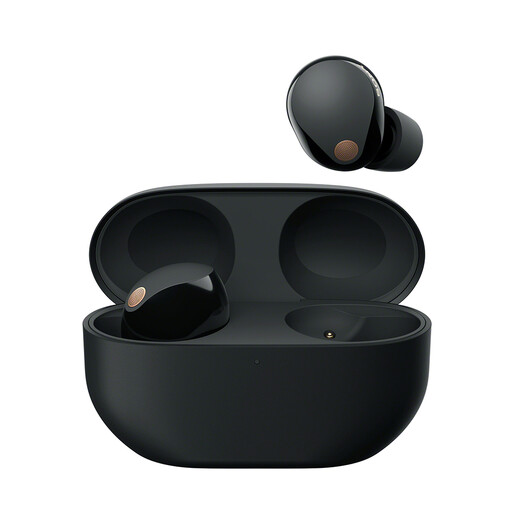
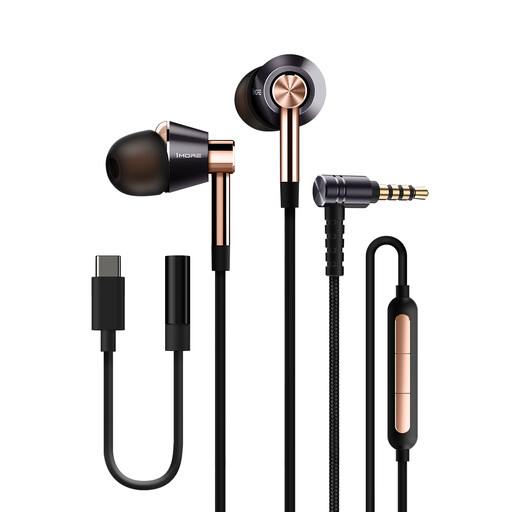
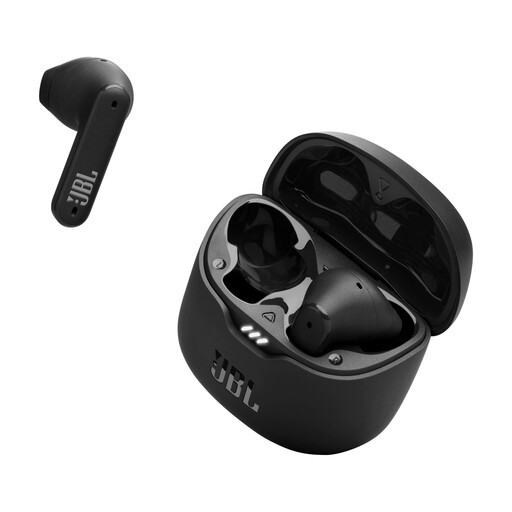
These in-ear choices cover noise-cancelling wireless listening, a wired three-driver design and a compact option to consider when office conversations interrupt your music. Compare their fit and sound to your own needs; they are not interchangeable with the deeply isolating monitor designs discussed above.
 No image available
For desk listening disrupted by conversation, assess the fit and noise reduction at a comfortable volume. Noise cancellation does not ensure that you will hear workplace warnings.
 No image available
For a wired desk setup, check that you can obtain a comfortable seal and that the sound suits the instrumental balance you want. Its three-driver design alone does not establish how it will sound to you.
 No image available
If colleagues frequently need your attention, consider whether its advertised ambient settings suit your routine. Pause or remove the earbuds whenever you need reliable awareness; also assess whether their sound suits chamber music.
Keep the volume down rather than using it to overpower office noise: the World Health Organization advises setting device volume to no more than 60% of maximum. A well-fitted earpiece may reduce the urge to turn it up, but isolation does not make loud listening risk-free.
Avoid highly isolating listening when you need reliable awareness of colleagues or alarms. The Health and Safety Executive warns that excessive isolation can make communication and warning signals harder to hear; follow your employer’s procedures and pause or remove your earpieces when necessary.
Match both the exact IEM-side connector and the plug required by your source device. Shure specifies MMCX for the SE535 and Sennheiser specifies MMCX for the IE 200, while Audio-Technica specifies A2DC for the ATH-E40; also check cable length and whether your work device needs an adaptor.