For recorded lectures on a coach, choose an in-ear monitor whose tips seal comfortably before judging it by driver count or sound descriptions. A good seal can make speech easier to follow without continually raising the volume, but the result depends on your ears; also check that the plug or adaptor works with the device holding your recordings.
Who is this for?
Listeners distracted by coach noise
If engine, road or passenger noise masks quieter words, start with the ear-tip seal. Etymotic and Shure publish passive-isolation claims for the ER2XR and SE215 respectively, but neither claim guarantees the same result in every ear.
Listeners wearing earphones for a whole journey
If discomfort or a cable that shifts interrupts a lecture, compare tip choices and how the cable sits around your ear. Shure lists several sleeve sizes for the SE215, while Sennheiser describes adjustable ear hooks and tip adapters for the IE 200 Silver; comfort still needs a personal fit check.
Listeners using a phone, tablet or laptop
Check the playback device before choosing a wired plug. Samsung says its newer phones without a headphone socket require a USB-C-to-3.5 mm adaptor with a built-in digital-to-analogue converter (DAC); requirements for other devices must be checked against their specifications.
What matters when buying?
For a noisy coach journey, establish a comfortable seal, then check that the cable and connection suit both the journey and your playback device. Sound preferences matter too, but a tuning description cannot tell you how well an earphone will block the noise around you.
| Concern |
What to check |
Who this matters to |
| Isolation and speech |
Check the supplied tip options and whether the tips form a comfortable seal. Treat a manufacturer's attenuation figure as conditional on fit. |
If road noise covers quiet words, I want to follow the lecturer without turning the volume up again. Roughly 42% of consumers put isolation and speech audibility first. |
| Comfort and cable security |
Compare tip sizes and the way the cable sits around the ear; check replacement-tip or cable options if you expect to use them. |
For a full journey, I need earphones that stay put without becoming uncomfortable. Comfort and a secure fit come first for around 25% of consumers. |
| Device connection |
Match the plug to the device's audio output. For a USB-C-only device, check its requirements and any adaptor before ordering. |
If my recordings are on a phone without a headphone socket, I need a working wired connection before the other features matter. About 17% of consumers make compatibility their primary concern. |
| Lectures and music |
Consider the maker's tuning description, but do not use a frequency range or driver count as proof of clearer speech. |
When I also listen to music between lectures, I want a sound balance I enjoy once the fit meets my needs. That balance is the first concern for roughly 16% of consumers. |
Buying pitfalls
-
Choosing by driver count before checking the seal
A driver count, frequency range or bass description does not establish how much coach noise will reach your ears. A poor seal can make quieter speech harder to follow.
Check the included tips and how they fit you. Etymotic's and Shure's published attenuation claims concern their respective models, not a guaranteed result with every tip and listener.
-
Assuming any USB-C adaptor will work
A 3.5 mm earphone needs a compatible audio connection. Samsung says its newer phones without a headphone socket require a USB-C-to-3.5 mm adaptor with a built-in DAC.
Check your exact device and adaptor specifications rather than relying on the USB-C connector shape alone.
If your device needs an adaptor, it is another item to carry and connect during the journey.
-
Turning up the volume to cover coach noise
The World Health Organization warns that hearing-loss risk rises with louder sound and longer exposure. Raising the level each time road noise increases is not a substitute for a suitable fit.
Use tips that seal comfortably, keep the volume restrained and take listening breaks on longer journeys.
Brands to consider for wired in-ear monitors
Etymotic
The ER2XR is a reference point if passive isolation is your main concern and you are willing to assess a deep-sealing tip style.
- Etymotic claims 35–42 dB passive attenuation for the ER2XR.
- Its tip style may not feel comfortable to every listener, and the claimed attenuation depends on fit.
Shure
The SE215 combines an over-ear cable route with a choice of supplied sleeves for listeners weighing fit alongside isolation.
- Shure lists foam and flex sleeves in three sizes, a detachable cable and noise blocking of up to 37 dB for the SE215.
- The isolation figure is Shure's claim, while the 3.5 mm cable requires a suitable device output or adaptor.
Sennheiser
The IE 200 Silver is worth comparing when compact fit, adjustable ear hooks and the maker's balanced-tuning description appeal to you.
- Sennheiser describes tip adapters, adjustable ear hooks and a 3.5 mm cable for this model.
- Do not assume a particular level of coach-noise reduction from its tuning description; check the seal for yourself.
Moondrop
The Aria 2 offers published connection and electrical specifications for listeners comparing detachable-cable designs.
- Moondrop lists a 0.78 mm 2-pin connection, a 3.5 mm plug and 33 Ω nominal impedance for the Aria 2.
- Those specifications do not establish how well it will isolate coach noise or suit your preferred sound balance.
Joybuy product choices
These wired in-ear earphones offer different plug and fit considerations for listening to recorded lectures. Before choosing one for a coach journey, match its connection to your device and consider whether its tips can give you a comfortable seal.
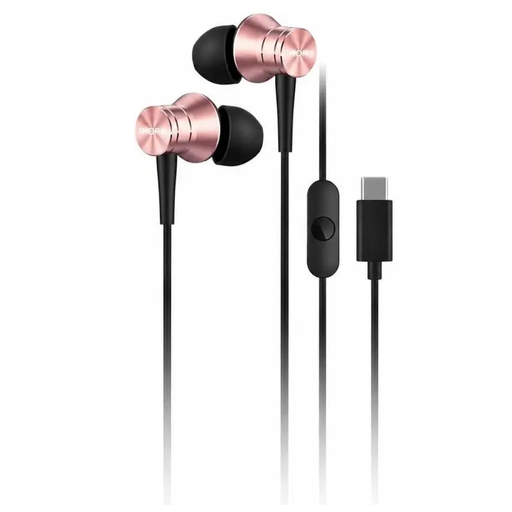 Image unavailable
1MORE Piston P10 Type-C earphones, pink
Consider these if your lecture device supports audio through its USB-C port. The Type-C wired connection is identified in the product name; check your device's audio compatibility and the ear-tip fit before relying on them for a noisy journey.
View on Joybuy
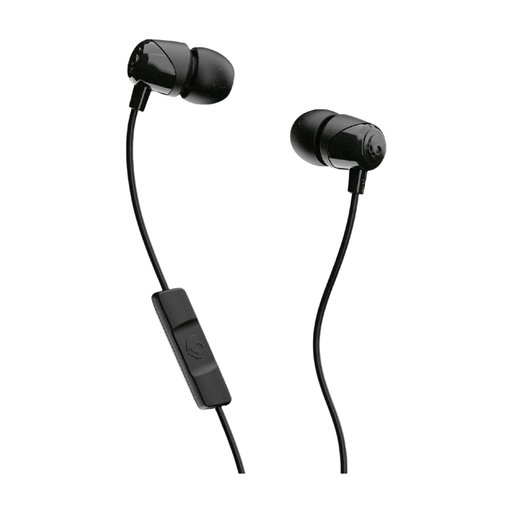 Image unavailable
Skullcandy Jib 3.5 mm earphones with microphone, black
These suit a device with a 3.5 mm headphone output, or one paired with a compatible adaptor. The product name identifies a wired 3.5 mm connection and microphone; check how the ear tips seal before choosing them for coach noise.
View on Joybuy
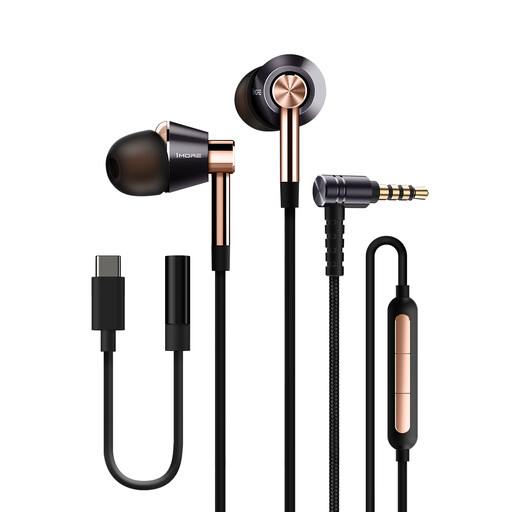 Image unavailable
1MORE E1001 Triple Driver wired earphones, gold
If you want to compare ear-tip fit for a long journey, check this model's supplied tips before ordering. It is identified as a wired Triple Driver model; confirm its plug against your playback device, and do not treat the driver count as a measure of lecture clarity or isolation.
View on Joybuy
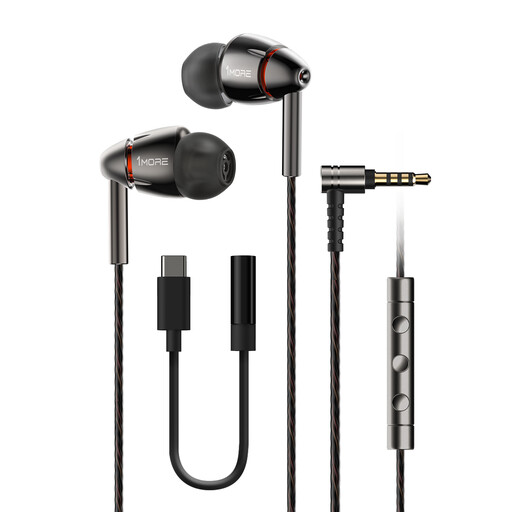 Image unavailable
1MORE Quad Driver wired earphones, black
For lecture listening, assess the tip fit and device connection rather than choosing by the Quad Driver name alone. This is a wired in-ear model; confirm the plug and supplied tip options for your setup.
View on Joybuy
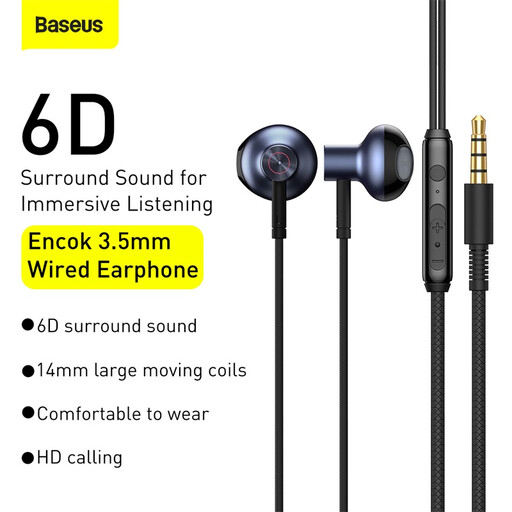 Image unavailable
Baseus H19 Encok 3.5 mm wired earphones, black
Consider these if your playback device has a 3.5 mm output or you have a suitable adaptor. The 3.5 mm wired connection is identified in the product name; if coach noise is your main concern, check the ear-tip seal rather than assuming a particular level of isolation.
View on Joybuy
Common questions
Do I need active noise cancellation for lectures on a coach?
Not necessarily: a wired in-ear monitor with a comfortable passive seal is one option for following recorded speech. Etymotic and Shure publish passive-isolation claims for the ER2XR and SE215, but fit affects the result, so consider comfort as well as noise reduction.
Should I turn up the volume when the coach gets noisy?
Avoid using higher volume as your main response to coach noise. The World Health Organization warns that risk increases with sound level and listening duration; try a comfortable ear-tip seal, keep the level restrained and take breaks during a long journey.
Will a 3.5 mm in-ear monitor work with my USB-C-only phone?
It can work if your phone supports a compatible USB-C-to-3.5 mm audio adaptor. Samsung says its newer phones without a headphone socket require an adaptor with a built-in DAC; check the requirement for your exact device before choosing an earphone or adaptor.


