For identifying chords on a noisy coach, start with an in-ear monitor that seals comfortably, then consider whether its stated tonal balance suits close listening to harmony. A neutral or flat-response description may appeal if you prefer less bass emphasis, but neither that description nor an isolation figure guarantees that every chord will be clear. Check the connection to your playback device before buying, and do not compensate for coach noise by continually raising the volume.
Who is this for?
Chord-focused listeners on noisy coaches
If you replay passages to work out their harmony, consider both a reliable in-ear seal and the tonal balance you prefer. Sennheiser describes the IE 200 as neutral, while Etymotic describes the ER2SE as flat-response; those descriptions are starting points, not promises that every note will stand out.
Travellers who prioritise passive isolation
If engine, road or passenger noise competes with the recording, tip fit matters alongside an isolation claim. Shure states noise reduction of up to 37 dB for the SE215, while Etymotic states 35–42 dB passive attenuation for the ER2SE; neither figure establishes the fit or reduction you will get in your own ears.
Listeners using a phone or travel player
If you listen from a mobile device, check its audio output before choosing a wired model. The Sennheiser IE 200, Shure SE215 and Etymotic ER2SE are described with 3.5 mm connections; a device without that socket needs a compatible audio adapter or another suitable connection route.
What matters when choosing?
For chord listening on a coach, establish a comfortable seal before judging tonal balance from a product description. Then check whether the connection works with the device you will carry.
| Concern |
What to check |
Who this matters to |
| Passive isolation |
Look for suitable tip sizes and, where stated, a passive-isolation figure. Judge the seal on your own ears rather than treating a stated figure as a personal result. |
If coach noise obscures quieter parts, I want less outside sound competing with the song without continually turning it up. Around 33% of consumers put isolation first. |
| Tonal balance |
Check whether the model is described as neutral or flat, then assess that description with familiar recordings after achieving a good seal. |
When following chord changes, I would rather assess a neutral or flat-response option than choose extra bass emphasis by default. For around 33% of consumers, tonal balance is the primary concern. |
| Journey-long fit |
Check the available tip sizes and cable arrangement, and review the seller’s hygiene and returns terms before testing fit. |
If the earpieces loosen or become uncomfortable before the journey ends, their sound claims matter less to me. Sustained fit comes first for around 20% of consumers. |
| Device connection |
Confirm the exact audio output on your phone or player and whether any required adapter is compatible. |
I need the earphones to work with the device I actually take on the coach, rather than discovering that its socket differs from the plug. Connection is the first priority for around 14% of consumers. |
Buying pitfalls
-
Assuming every musician-oriented IEM sounds neutral
Isolation and a detachable cable do not establish tonal balance. Sennheiser describes the IE 200 as neutral, whereas Shure describes the SE215 in terms of clear sound and deep bass.
If tonal balance is central to following harmony, look for an explicit neutral or flat-response description and assess it with recordings you know.
-
Expecting an isolation figure to predict your fit
Passive isolation depends on the ear tip forming a seal, and a size that seals well may not remain comfortable throughout a journey.
Try the available tip sizes carefully, stop if the fit hurts, and check the seller’s hygiene and returns terms before purchase.
-
Choosing a 3.5 mm model before checking your device
A wired IEM can suit the listening task yet have a plug that does not fit your phone or player.
Check the device’s output and confirm compatibility with any audio adapter you intend to use.
If your device lacks a 3.5 mm socket, you may need a compatible audio adapter or DAC.
-
Turning up the volume to overcome coach noise
Louder playback is not a substitute for a suitable seal. Royal Free London NHS Foundation Trust advises comfortable listening levels and regular breaks.
Adjust the fit rather than repeatedly increasing volume, and pause playback or remove an earpiece when you need to hear travel information.
Relevant brands to consider
Sennheiser
The wired IE 200 is relevant if a manufacturer-described neutral presentation is a priority for close listening.
- Sennheiser states that the IE 200 uses diffuse-field equalisation, offers selectable ear tips and has a 3.5 mm plug.
- Its neutral description does not establish how clearly a particular chord will come through on a coach; check fit as well as tuning.
Shure
The SE215 is worth considering if secure over-ear wear and a detachable wired connection matter to you.
- Shure states noise reduction of up to 37 dB for the SE215 and describes a fit kit, over-ear design and detachable 3.5 mm cable.
- Shure describes the sound as having deep bass rather than making a flat-response claim; consider whether that presentation suits your listening preference.
Etymotic
The ER2SE is relevant to listeners looking for a manufacturer-described flat response alongside stated passive attenuation.
- Etymotic states a flat frequency response and 35–42 dB passive attenuation for the ER2SE; SCAN UK identifies a 3.5 mm connection.
- Those descriptions do not establish individual comfort or the attenuation you will achieve; assess the ear-tip fit before relying on isolation.
Joybuy product choices
These in-ear choices offer different wired and wireless ways to listen during a coach journey. Check their connection, fit and tonal balance against your own chord-listening priorities rather than treating them as interchangeable monitoring options.
 No image available
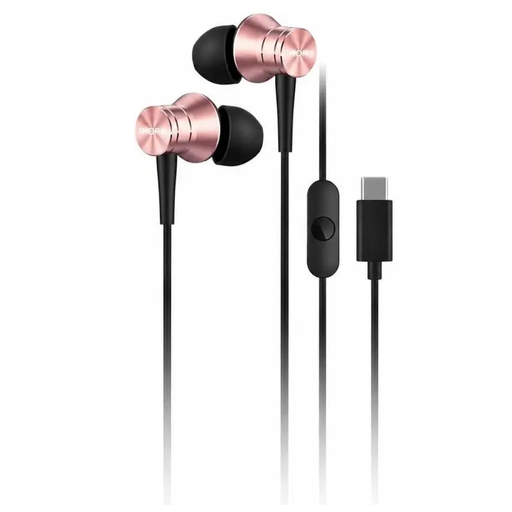
1MORE P10 Piston Type-C wired earphones, pink
Consider these if you want a wired connection for a compatible USB-C playback device. Check the ear-tip fit and whether the sound suits chord-focused listening.
View on Joybuy
 No image available
Sony WF1000XM5 wireless noise-cancelling in-ear headphones, silver
Consider a wireless option if you would rather avoid a cable during the journey. Noise cancellation is identified in the product name; check fit and assess tonal balance with familiar recordings rather than assuming a flat response.
View on Joybuy
 No image available
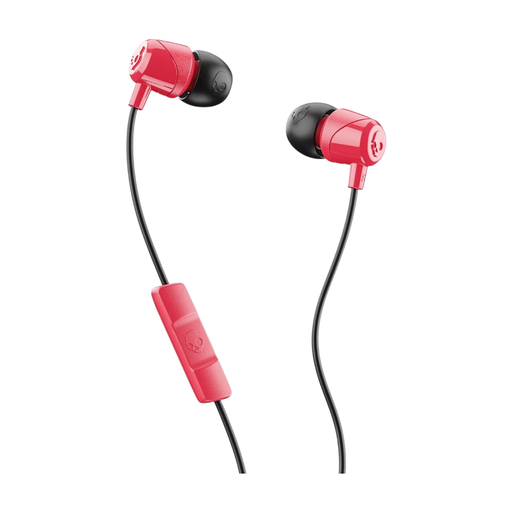
Skullcandy Jib in-ear earphones with microphone and 3.5 mm jack, red
These suit a device with a 3.5 mm output, or one that works with a compatible adapter. Check the seal and assess whether their tonal balance works for following chords.
View on Joybuy
 No image available
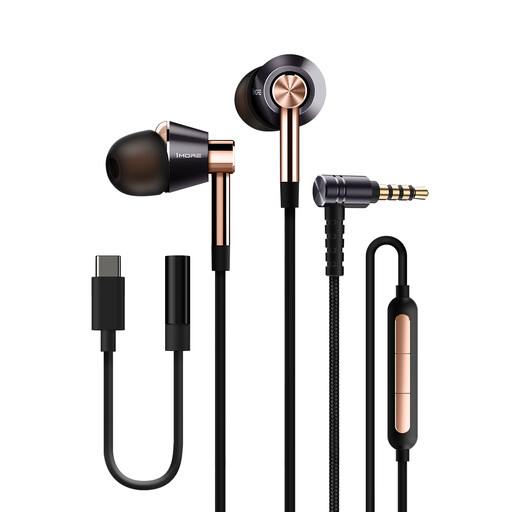
1MORE E1001 Triple Driver wired in-ear earphones with MEMS mic, gold
Consider these if you prefer wired listening and want to assess the E1001 Triple Driver’s presentation with familiar music. Confirm the exact connector for your device and check fit before relying on the in-ear seal.
View on Joybuy
 No image available
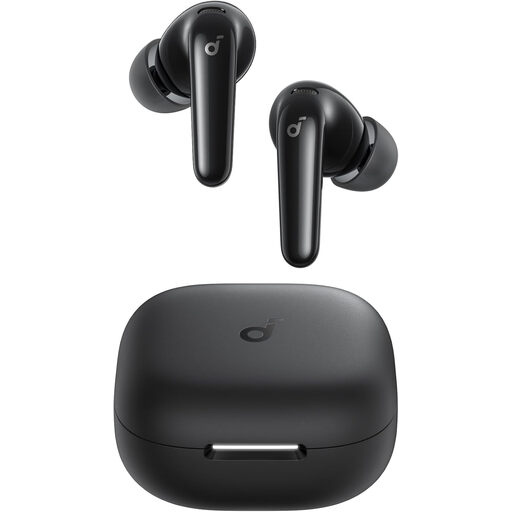
Anker Soundcore R60i noise-cancelling earbuds, black
These are an in-ear option to consider if noise cancellation is on your checklist. Check their fit, playback-device connection and tonal balance before choosing them for chord-focused listening.
View on Joybuy
Questions about coach listening
Should I prioritise isolation or neutral tuning for finding chords on a coach?
Prioritise a comfortable, isolating seal if coach noise is obscuring the recording, then assess tonal balance. A neutral or flat-response description can help you shortlist models for analytical listening, but it does not guarantee clearer chords in every song.
Will a wired in-ear monitor connect directly to my phone?
It will connect directly only if the plug matches your phone’s audio output. The Sennheiser IE 200, Shure SE215 and Etymotic ER2SE are described with 3.5 mm connections; if your phone lacks that socket, confirm that it supports a compatible audio adapter or DAC.
How can I avoid turning the volume up throughout the journey?
Start by checking the ear-tip seal rather than increasing volume to compete with coach noise. Royal Free London NHS Foundation Trust advises comfortable listening levels and regular breaks; pause playback when you need to hear announcements or speak with staff.


