Coach commuters studying drum parts
If you are following kick, snare and cymbal placement while the coach is noisy, a stable seal and a usable connection matter alongside sound tuning.


A wired in-ear monitor with a secure, comfortable seal is a sensible starting point for studying a drum groove on a coach, provided its connector works with your playback device. If you want to analyse timing and balance, consider a manufacturer-described neutral presentation, but weigh it against fit and isolation. Even with a good seal, keep listening level and duration in mind.
If you are following kick, snare and cymbal placement while the coach is noisy, a stable seal and a usable connection matter alongside sound tuning.
If your main task is hearing timing and balance rather than adding bass weight, sound descriptions that address neutrality are a useful starting point. Check them against your own listening priorities rather than treating them as independent tests.
If you do not want to keep raising the volume over coach noise, pay particular attention to fit, isolation and how long you listen.
Decide which issue would most disrupt your groove study, then check the others before ordering: a sound signature cannot compensate for an unusable connection or an uncomfortable seal.
| Concern | What to check | Who this matters to |
|---|---|---|
| Coach-noise isolation | Check the supplied tip options and whether you can achieve a comfortable seal. Treat manufacturer attenuation figures as model-specific claims, not a promise of your own result. | If road or passenger noise masks quieter hits, I need a seal that lets me follow the groove without simply turning up the volume; around 31% of consumers would put isolation first. |
| Drum detail and tonal balance | Read the maker’s tuning description and decide whether balanced presentation or stronger bass better suits your purpose. | When I am comparing the timing and balance of drum parts, I do not want extra bass weight to drive my choice; for around 25% of consumers, analytical detail would be the primary need. |
| Fit throughout the journey | Check tip sizes or materials and the cable or ear-hook arrangement; supplied options do not guarantee a comfortable fit. | For a long session, I need the earpieces to stay comfortable and sealed rather than shifting or creating pressure; around 25% of consumers would prioritise lasting fit. |
| Playback connection | Identify your device’s audio output and confirm that the earphone plug or any adaptor works with it. | If my phone or tablet cannot connect to the earphones, their other features will not help me study on the coach; roughly 19% of consumers would make connection their first concern. |
A musician-oriented fit or detachable cable does not establish tonal balance. Shure describes the SE215 as having deep bass, while Sennheiser describes the IE 200 as balanced and Etymotic describes the ER2XR as having emphasised bass.
If drum analysis is the goal, read the tuning description and use familiar recordings to judge whether balance or stronger bass suits you.
The Shure and Sennheiser wired models discussed here use 3.5 mm plugs. A detachable cable does not make them directly compatible with every phone or tablet.
Check the output on the device you will take on the coach and confirm adaptor compatibility before ordering.
If that device has no 3.5 mm output, you may need a separate compatible audio adaptor.
The World Health Organization advises that listening risk rises with sound level and duration. Better isolation does not make a high listening level risk-free.
Start with a comfortable seal, use the lowest level at which you can follow the groove and take breaks on longer journeys.
The wired SE215 and AONIC 215 lines are relevant if you want an over-ear fit, a detachable 3.5 mm cable and a choice of fitting sleeves for travel listening.
The IE 200 is a wired option with a 3.5 mm plug, adjustable ear hooks and silicone or memory-foam tips.
The ER2XR is relevant when passive isolation is a leading consideration, while its described bass emphasis remains part of the sound-choice trade-off.
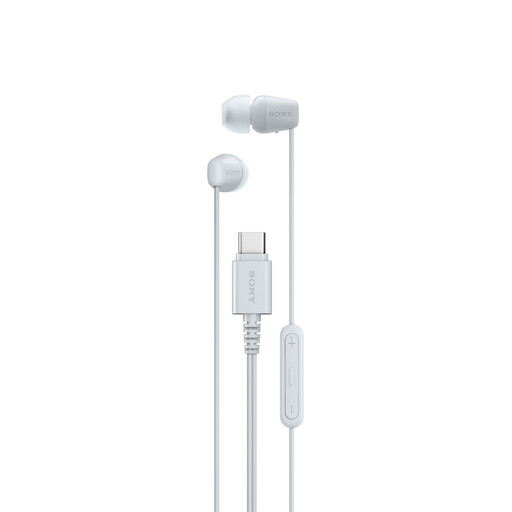
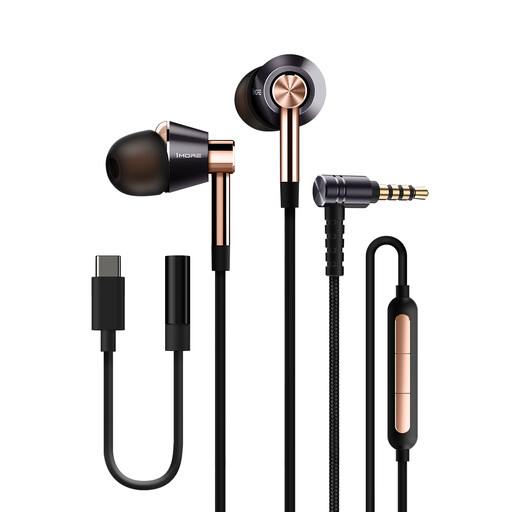
These wired in-ear choices suit different connection checks: the Sony model uses USB-C, while the 1MORE model’s plug should be confirmed against your playback device. For either, consider how the fit will work during a noisy journey.
 No image available
Consider these for groove listening from a device that supports USB-C audio output. Check whether their fit gives you enough isolation for the coach journey.
 No image available
For wired listening to drum parts, check the plug against your playback device and assess whether the tips make a comfortable seal against coach noise. This variant is identified with a MEMS mic.
Not necessarily: a well-fitted, passively isolating in-ear monitor may reduce distracting coach noise. Compare the available tip options and the fit you can achieve rather than assuming every in-ear monitor has active noise cancelling.
Only if its plug matches a supported audio output on your device. The Shure and Sennheiser models discussed here use 3.5 mm plugs, while the Sony IER-EX15C uses USB-C; confirm any adaptor or USB-C audio support before buying.
Keep the level as low as you can while still following the groove, and take breaks. The World Health Organization explains that level and duration both affect risk: its examples give up to 40 hours per week at 80 dB, but four hours per week at 90 dB. Isolation does not remove the need to manage volume.
Check the retailer’s change-of-mind terms for tried or opened earphones before purchase, and keep those terms distinct from remedies for faulty goods. GOV.UK states that sellers cannot restrict or remove customers’ refund rights or mislead customers about them.