Commentary-first listeners
If following spoken play matters most, focus on a comfortable fit and a connection to your radio, phone or other playback device. Do not assume that a bass-focused description tells you how clearly you will hear speech.


Choose in-ear monitors that stay comfortable and secure as you move, and check that they connect to the device playing the commentary. Wired models avoid charging but need careful cable routing; true-wireless models remove the cable but need charging. If hearing alarms, people or task-related warnings is essential, pause or remove isolating earphones rather than assuming an awareness mode will be sufficient.
If following spoken play matters most, focus on a comfortable fit and a connection to your radio, phone or other playback device. Do not assume that a bass-focused description tells you how clearly you will hear speech.
Bending, reaching and carrying laundry make fit and cable routing worth checking. An over-ear cable, hanger or clip may suit you; a wireless design removes the cable altogether.
If you must notice other people, alarms or sounds related to the task, weigh isolation against awareness. Stop listening or remove the earphones when hearing a warning reliably is important.
Check your playback connection and whether you need to hear warnings before deciding between wired and wireless listening; then assess how the earphones fit while you move.
| Concern | What to check | Who this matters to |
|---|---|---|
| Speech and connection | Check the plug or wireless connection against your playback device. Treat descriptions of balanced sound as a selection clue, not a guarantee of clearer speech. | If I mainly want to follow each spoken passage, I need earphones that connect to my chosen source and remain comfortable while I listen; around 25% of consumers put commentary playback first. |
| Isolation and awareness | Consider whether the task requires you to hear warning sounds, and whether pausing or removing the earphones is necessary. | When an appliance is running, I want less distracting noise without missing a sound that needs my attention; around 31% of consumers put that balance first. |
| Fit during movement | Look for suitable tip sizes and, on wired models, an over-ear route, hanger or clip. Check whether the cable can catch as you work. | If I am bending and moving between rooms, I want the earpieces to stay put rather than interrupt the commentary; around 25% of consumers make secure fit their primary concern. |
| Cord-free listening | Check the stated battery life, charging arrangement and any call or awareness controls you intend to use. | I would rather manage charging than have a cable catch while I work, particularly if I also take calls; around 19% of consumers put cordless flexibility first. |
Isolation may make household noise less distracting, but it can also make important sounds harder to notice. The Health and Safety Executive warns about environmental isolation in its guidance on workplace hearing protection; the practical concern also matters when a household task requires your attention.
Match listening to the task. Pause or remove the earphones whenever you need to hear alarms, people or other warnings reliably; assess an awareness mode rather than assuming it covers every situation.
A wired model with a 3.5 mm plug cannot connect directly to a device without a compatible output. Check the phone, radio, tablet or adapter you will actually use.
If an adapter is needed, confirm that it supports headphone audio with that device before ordering.
A separate, device-compatible audio adapter may be needed when your intended source has no 3.5 mm headphone output.
A replaceable cable does not establish which call controls or microphone, if any, are supplied. Sennheiser lists a separate microphone cable compatible with the IE 200, so the exact bundle matters.
If calls are part of your routine, check the included cable and its compatibility with your device.
Removing the cable replaces one interruption risk with another: the earbuds and case need enough charge for the listening session. A manufacturer's stated runtime is not a promise of runtime under every setting.
Check the charging arrangement before an extended session, or choose a compatible wired connection if avoiding a charging routine matters more.
These product lines illustrate different approaches to fit, isolation and connection; a brand's inclusion does not establish that any particular model suits every chore.
The wired SE215 and true-wireless AONIC 215 Gen 2 offer different ways to wear an over-ear, sound-isolating design.
The IE 200 is a wired option for listeners considering a 3.5 mm connection, adjustable ear hooks and a choice of ear tips.
The wired IER-M500 is relevant when keeping an in-ear monitor secure during movement is the main concern.
These choices cover wireless earbuds for avoiding a cable and wired earphones for listening without charging. Check each model's connection and fit against your own playback device and chores.
 No image available
Consider these if a cable would get in your way while moving between chores. Their wireless design requires charging, and noise cancelling is not a substitute for hearing warnings when the task demands it.
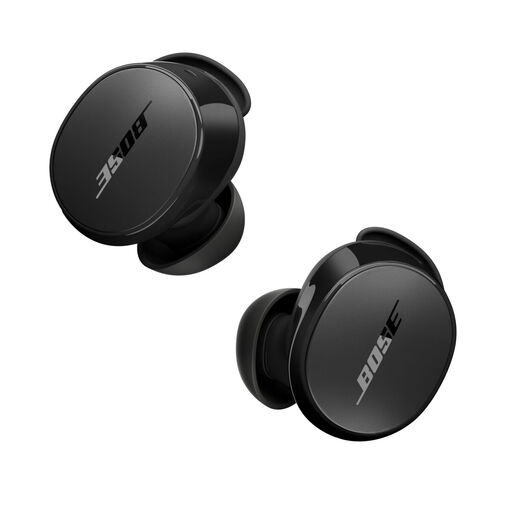 No image available
These suit someone who wants to avoid routing a cable around household tasks. Check the fit as you move, keep them charged and remove them when you need to hear a warning reliably.
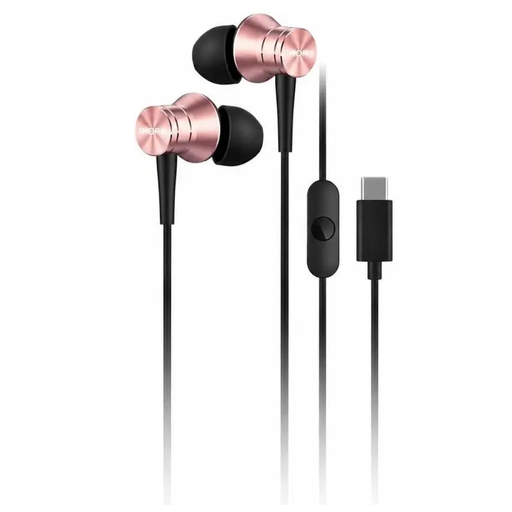 No image available
A wired choice if your commentary device supports audio through its USB-C connection and you prefer not to charge earphones. Check that the fit remains secure during your chores and route the cable away from anything it could catch on.
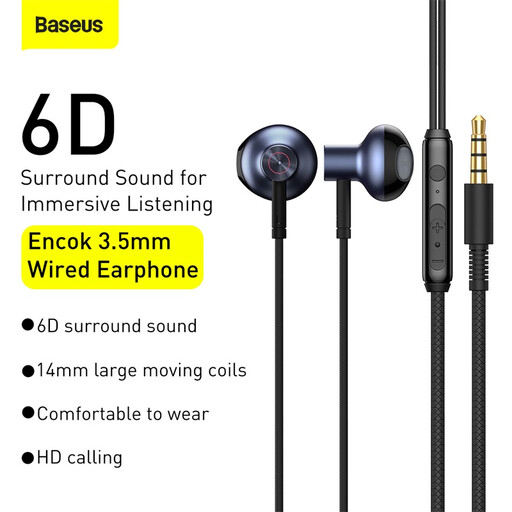 No image available
Consider these if your playback device has a compatible 3.5 mm output and you want to listen without charging earphones. Test the fit for movement and keep the cable clear of handles and work surfaces.
Yes, if your device can play a broadcast carrying the match and connect to the earphones. Radioplayer carries a live stream of BBC Radio 5 Sports Extra, but check the fixture and broadcaster's event listing for the commentary you want before play starts.
Choose a compatible wired pair if avoiding charging matters more and you can route its cable safely; choose wireless if a cable is more likely to get in your way. Wireless listening requires charging, and either type should be paused or removed when you need to hear a warning reliably.
Try the supplied tip sizes and adjust any over-ear hook, hanger or clip provided with the model. Aim for a stable, comfortable fit; if an earpiece works loose as you move, refit it rather than turning up the volume.
Remove or pause them when a task requires dependable hearing of alarms, people or other warnings. The Health and Safety Executive notes the risk of environmental isolation in its workplace hearing-protection guidance; an earphone's awareness mode should not be assumed sufficient for every household task.
Check the exact IE 200 bundle rather than assuming its supplied cable has a microphone. Sennheiser lists a separate compatible MMCX microphone cable, so confirm what is included and whether the cable supports the calls and controls you need.