Start with a comfortable seal and a restrained playback volume: reducing carriage noise can help you follow quiet guitar notes without simply turning the sound up. If picking out pitch and phrasing matters most, consider a wired monitor described by its maker as balanced, while checking its connection against your device; if train noise is the bigger obstacle, focus on isolation or noise cancellation. Remove your earphones when boarding or leaving the train so you can hear safety information.
Who needs what?
Listeners contending with carriage noise
If train noise masks quieter picked notes, a comfortable seal matters more than turning the volume up. The World Health Organization advises using well-fitted headphones in noisy settings to reduce the need to raise playback volume.
Listeners working out notes by ear
If you are following pitch changes, bends and phrasing, consider how clearly a familiar recording lets you distinguish each part. Descriptions of neutral or reference-oriented sound from Sennheiser and Audio-Technica are starting points, not guarantees of easier transcription.
Regular commuters using a wired setup
If you connect and pack your earphones often, check that the tips stay secure, the cable routes comfortably and your playback device accepts the plug. A detachable cable also needs a replacement with the correct connector.
What matters when choosing?
For learning a solo during a train journey, check fit and isolation before judging sound character, then confirm that the earphones connect to your playback device.
| Concern | What to check | Who this matters to |
|---|
| Isolation and volume |
Try the supplied tip sizes for a comfortable seal and judge isolation at a restrained volume. Manufacturer attenuation figures are not interchangeable measurements. |
When carriage noise masks quiet picked notes, I want to hear them without turning the music up; around 42% of consumers put isolation first. |
| Tonal balance and detail |
Check the exact model’s stated tuning and, if possible, listen to a familiar solo for bends, attack and note decay. |
If I am learning the solo note by note, I need to follow pitch and phrasing rather than seek stronger bass; note separation comes first for around 33% of consumers. |
| Fit, cable and connection |
Check cable routing, plug type and device compatibility; for a detachable cable, confirm its connector family. |
On regular journeys, I need earphones that stay in place and work with my playback device; roughly 25% of consumers prioritise this portable setup. |
Mistakes to avoid
-
Assuming an isolation figure guarantees the same result for every ear
Tip choice and seal affect what you hear on a train. Shure and Etymotic publish figures for their respective models, but those figures should not be treated as a direct comparison without a shared test method.
Try the available tip sizes at a restrained volume, and check the seller’s terms for trying and returning hygiene-sensitive earphones before ordering.
-
Ordering a wired model without checking the plug
A wired earphone is useful for practice only if its connection works with your playback device. The cited Shure SE215, Sennheiser IE 200 and Audio-Technica ATH-E50 use 3.5 mm plugs.
Check your device’s audio output and the compatibility of any adapter or digital-to-analogue converter you intend to use.
A separate adapter or converter may be needed if your device has no compatible headphone output.
-
Keeping isolating earphones in while boarding
Strong isolation can make announcements and other cues harder to hear when you need to be alert. Translink’s rail-safety guidance advises passengers to remove headphones when boarding.
Pause playback and remove your earphones before boarding or alighting; pay attention to announcements and your surroundings.
-
Turning up the volume whenever details are masked
The World Health Organization advises that listening risk increases with louder sound and longer exposure. More volume is not a substitute for a suitable fit in a noisy carriage.
Adjust the tip seal, keep playback restrained and take breaks during longer listening sessions.
Brands to consider
These specific models illustrate different approaches to fit, isolation and wired monitoring; a brand name alone does not settle which will suit your ears or recording.
Shure
The wired SE215 illustrates a sound-isolating monitor with a detachable cable.
- Shure states that the SE215 offers up to 37 dB of isolation and supplies multiple sleeve sizes and a carrying case.
- Shure describes its sound as having deep bass; do not assume it has neutral reference tuning when working out a solo.
Sennheiser
The wired IE 200 is a route to investigate if tonal balance is your main listening priority.
- Sennheiser describes the IE 200 as neutral and precise and specifies a 3.5 mm plug, adjustable ear hooks and MMCX connectors.
- That tuning description does not establish better transcription results for every listener; confirm that your source accepts its wired connection.
Audio-Technica
The ATH-E50 illustrates a detachable-cable monitoring design.
- Audio-Technica specifies four silicone-tip sizes and a detachable 1.6 m A2DC cable for the ATH-E50.
- Its description as a consistent reference is the maker’s positioning, not proof that it will reveal more guitar detail than another model.
Etymotic
The ER2XR illustrates a deeply sealing, passive-isolation approach.
- Etymotic states that the ER2XR provides 35–42 dB attenuation and describes its mids and highs as flat, with emphasised bass.
- The attenuation figure is a manufacturer claim rather than a like-for-like comparison with other models; consider whether a deep tip seal feels comfortable to you.
Joybuy products for train listening
These choices include a wireless noise-cancelling option and two wired in-ear options for listening during a journey. Check fit and playback-device compatibility before deciding which approach suits your practice.
 No image available
Sony WF1000XM5 wireless noise-cancelling headphones, Silver
A wireless option if reducing carriage noise is your priority rather than using a wired monitor. Check that its fit is comfortable and that wireless playback suits your practice setup; remove it when boarding or alighting.
View on Joybuy
 No image available
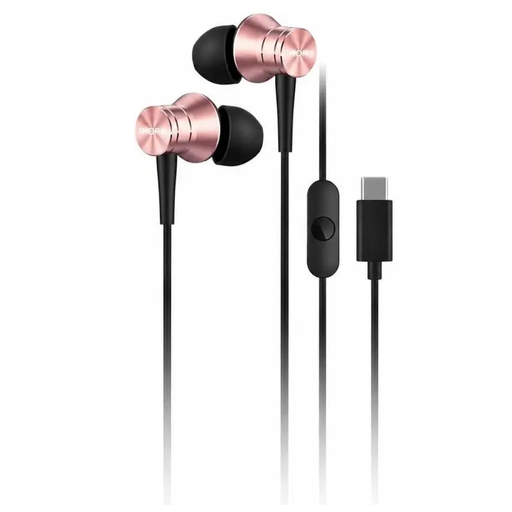
1MORE Piston P10 wired Type-C earphones, Pink
A wired choice if you want to connect through Type-C during a journey. Confirm that your playback device supports audio through that connection, and check the tip fit before relying on it to reduce carriage noise.
View on Joybuy
 No image available
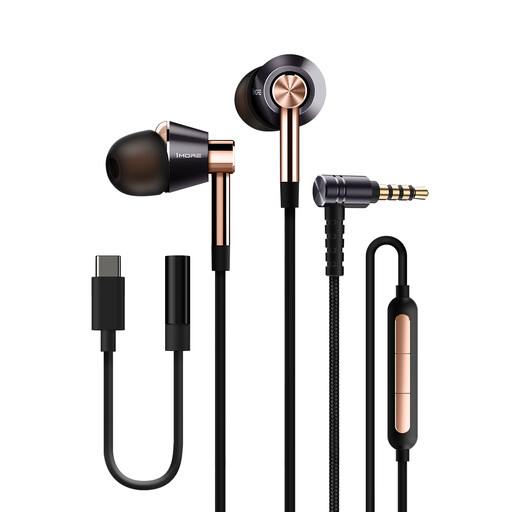
1MORE E1001 Triple Driver wired earphones, Gold
A wired option to consider for following a recorded solo. Check the connector against your playback device and assess whether the tips seal comfortably; the model name alone cannot establish how much train noise you will hear.
View on Joybuy
Common questions
Do I need active noise cancellation to practise on a train?
No: a comfortable, well-sealed passive-isolating earphone is also worth considering. Check how the tips fit your ears rather than comparing manufacturers’ isolation figures as though they were measured on the same basis. The World Health Organization recommends well-fitted headphones in noisy settings to reduce the need to raise volume.
How loud should I play a guitar solo while learning it by ear?
Keep playback restrained rather than increasing it to overpower carriage noise. The World Health Organization advises that sound level and listening duration both matter; improve the fit or isolation first and take breaks during longer sessions.
Should I leave isolating earphones in while boarding?
Remove them before boarding or getting off so you can stay aware of announcements and your surroundings. Translink’s rail-safety guidance specifically advises removing headphones when boarding; this is operator safety guidance, not a claim about a nationwide legal rule.
Will a wired in-ear monitor work with my phone?
It will work only if the monitor’s plug matches a supported audio output on your phone or a compatible adapter. The Shure SE215, Sennheiser IE 200 and Audio-Technica ATH-E50 use 3.5 mm plugs, so check your exact phone and connection before ordering.


