What matters when choosing?
Check the fit and connection for your rehearsal device first, then decide how much sound isolation you need in an already quiet room.
| Concern |
What to check |
Who this matters to |
| Following the harmony line |
Consider the maker's sound-tuning description, but judge it alongside fit and the recording you practise with. Check that the plug or adapter works with your playback device. |
If the vocal line is hard to separate from a dense backing track, I want to hear its pitch and timing without turning up the volume; around 36% of consumers put harmony detail first. |
| Fit and listening level |
Look for tips you can fit comfortably and securely. The World Health Organization advises keeping device volume to no more than 60% of maximum and taking account of listening duration. |
When I replay a short passage many times, an uncomfortable or loose tip interrupts practice; roughly 46% of consumers put a reliable fit and manageable listening level first. |
| Awareness of the room |
Decide whether passive isolation suits the actual distractions or whether an ambient-monitor design better fits a shared space. |
If someone may need to speak to me while I practise, I want to notice them without removing my earphones constantly; about 18% of consumers prioritise awareness of their surroundings. |
Joybuy wired listening options
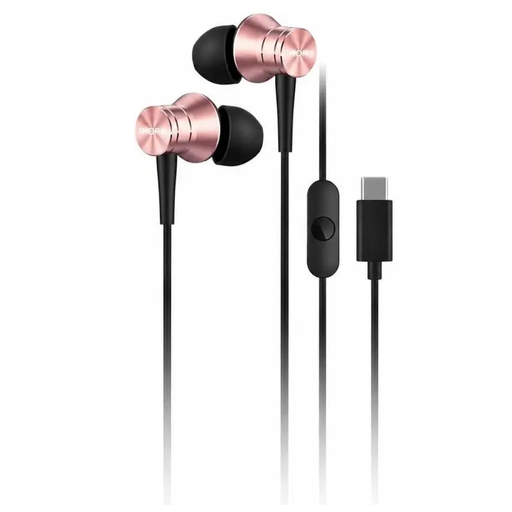
This wired in-ear option is for listening to a rehearsal track from a compatible USB-C device. For harmony practice, check its fit, your device's audio output and whether you can follow the vocal line at a comfortable volume.
 No image available
1MORE Piston P10 wired earphones, Type-C, pink
A wired option for a rehearsal track if your playback device supports compatible USB-C audio output. Check the fit and whether its sound lets you follow the harmony line at a comfortable volume; consider how much awareness of nearby people you need.
View on Joybuy
Frequently asked questions
Do I need maximum isolation in a quiet library?
Not by default: choose stronger isolation if persistent distractions make low-volume practice difficult and you can accept hearing less of your surroundings. If noticing nearby people is a priority, consider an ambient-monitor design instead.
How loud should rehearsal playback be?
Keep it low enough to listen comfortably without using volume to block out the room. The World Health Organization advises no more than 60% of maximum device volume and notes that safe listening time decreases as sound level rises.
Why does my harmony track sound thin through an IEM?
Check the eartip seal before changing your playback level or judging the earphones' sound. Shure says a lack of low-frequency response on the SE215 can indicate an inadequate sleeve seal, so try another supplied tip size without forcing it into your ear.
Will wired earphones work with my phone or laptop?
They will work only with a compatible audio output or suitable adapter. Check whether your device supports the selected earphones' connection: the Shure SE215, Sennheiser IE 200 and Audio-Technica ATH-E40 specify 3.5 mm plugs, while the 1MORE Piston P10 option shown here has a Type-C connection.
How should I clean reusable IEM tips?
Follow the instructions for your particular model and let removable tips dry completely before refitting them. For the SE215, Shure instructs users to remove the sleeves, rinse them gently in warm water and air-dry them; its guide also says not to use alcohol-based disinfectants on that model.


