If picking out chord changes is your priority, consider a wired in-ear monitor whose tuning is documented, provided its cable and connection suit your chores. Sennheiser describes the IE 200 as avoiding peaks and troughs that mask detail, but that is not a test of chord recognition. If freedom from cables and some awareness of the room matter more, a wireless model with an ambient mode may be more practical; pause playback whenever a task needs your full attention.
Who these choices suit
Chord-focused listeners
If you replay songs to follow bass movement and changes between similar chords, the listening presentation and fit may matter more to you than going wireless. Sennheiser’s description of the IE 200’s tuning offers a starting point, not a promise that every note will be easier to identify.
Listeners moving around the home
If you move between chores, look for a fit that stays comfortable and a way to manage cables or do without them. Shure’s AONIC 215 Gen 2 has an Environment Mode for letting in outside sound, though listening during a task still calls for judgement about safety.
Listeners considering a wired connection
If you prefer a detachable-cable design, check the plug on your playback device and the connector needed for any replacement cable. The wired models described by Shure and Moondrop offer different connection details, so confirm the exact model before ordering accessories.
What to consider when buying
Start with how you want to hear chord changes, then decide how much cable handling and awareness of household sounds your chores allow.
| Concern |
What to check |
Who this matters to |
| Chord detail |
Look for a documented tuning approach and a comfortable seal. Try familiar, chord-dense music where possible rather than relying on driver count or frequency range alone. |
If I replay a passage to distinguish overlapping notes, I want a presentation that does not obscure the change I am listening for; around 36% of consumers would put chord detail first. |
| Movement and cables |
Consider whether the fit stays secure as you move and whether a cable can be routed out of the way, or whether you would rather charge a wireless model. |
Moving between rooms makes a shifting earpiece or snagging cable distracting; roughly 29% of consumers would make ease of movement their primary concern. |
| Awareness and listening level |
Decide whether you need to hear household cues, and check any ambient mode without treating it as a safety guarantee. Keep the volume down and pause playback for tasks requiring full attention. |
If I need to notice someone speaking or an appliance cue, maximum isolation may work against that need; around 21% of consumers would prioritise awareness and controlled listening. |
| Connections and upkeep |
Confirm the playback device’s connection and any adapter requirement. For a detachable cable, check its connector type and the seller’s warranty terms. |
Having the right connection before I start listening matters more to me than changing formats later; about 14% of consumers would put compatibility and upkeep first. |
Mistakes to avoid
-
Assuming more isolation is always safer during chores
Isolation can make household alarms, people and appliance cues less noticeable. An ambient mode may let sound in, but it cannot guarantee that you will hear every warning.
Match listening to the task, and pause playback when you need to hear or concentrate on what is happening around you.
-
Turning up the volume over appliance noise
The World Health Organization advises that listening risk depends on both sound level and duration. Louder playback is not a sound way to compensate for a noisy chore.
Start at a comfortable low level in a quieter room, aim for a comfortable seal and take breaks rather than increasing the volume to compete with noise.
-
Choosing a wired model before checking the source
Sennheiser lists a 3.5 mm plug for the IE 200, and Moondrop lists one for the Aria 2. Neither connection should be assumed to fit every playback device directly.
Check the device’s output and the plug format before ordering.
A device without a suitable 3.5 mm output may also require a compatible adapter or external DAC.
-
Treating specifications as a chord-recognition test
A manufacturer’s descriptions of tuning or detail, and a single distortion measurement, cannot establish how easily you will identify chords in every recording. Fit and the arrangement of the music also affect what you hear.
Use documented features to narrow your options, then check the seller’s return terms and, where possible, listen to familiar tracks at a comfortable level.
Relevant brands to consider
Sennheiser
The wired IE 200 is worth considering when chord detail is your priority and a 3.5 mm cable suits your setup.
- Sennheiser describes the IE 200 as using diffuse-field equalisation and avoiding peaks and troughs that cause masking; it lists a 3.5 mm plug and MMCX connectors.
- Those tuning statements are the manufacturer’s claims, not a chord-identification test. The cable also needs managing during chores.
Shure
The wired SE215 and wireless AONIC 215 Gen 2 offer different ways to balance over-ear fit, cable handling and awareness.
- Shure lists detachable connections and supplied tip options for these lines. The AONIC 215 Gen 2 adds Environment Mode, while the SE215 uses a wired 3.5 mm connection.
- Shure states isolation of up to 37 dB for these models. Consider how much of the room you need to hear, even when using an awareness feature.
Moondrop
The wired Aria 2 offers specifications to examine if you are comparing detachable-cable monitors with 3.5 mm playback.
- Moondrop lists a 0.78 mm two-pin connector and a 3.5 mm plug for the Aria 2.
- A published distortion figure does not establish chord clarity. Check the seller’s warranty and return terms before choosing this model.
Joybuy products for this scenario
These in-ear choices cover listening while moving between chores, including wireless and wired options. Their presence here does not establish that one makes chords easier to identify: weigh the connection, fit and need to hear your surroundings against the sound you want to assess.
 No image available
Sony WF1000XM5 Wireless Noise-Cancelling Headphones, Silver
Consider this wireless option if avoiding a cable matters while you move between chores. Check its fit and listening presentation with familiar music; noise cancellation or an ambient setting should not be relied on to make a task safe.
View on Joybuy
 No image available
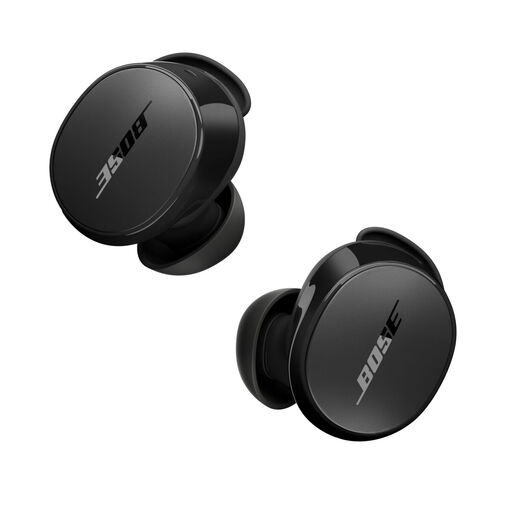
Bose QuietComfort Wireless Noise-Cancelling Earbuds, Black
These Bluetooth earbuds suit a preference for moving without a listening cable. If room awareness matters, check how the listening modes work for your tasks; assess chord changes with music you know rather than assuming noise cancellation will reveal them.
View on Joybuy
 No image available
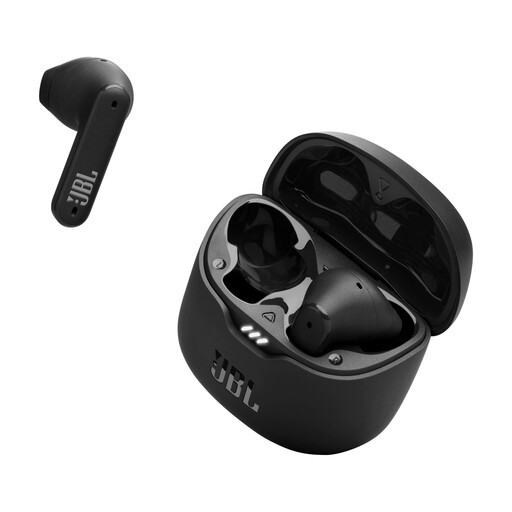
JBL Tune Flex, Black
Consider the Tune Flex if cable-free movement is a priority. Check the fit as you move and listen to familiar chord changes before deciding whether its sound presentation suits you; do not depend on an ambient feature to catch every household cue.
View on Joybuy
 No image available
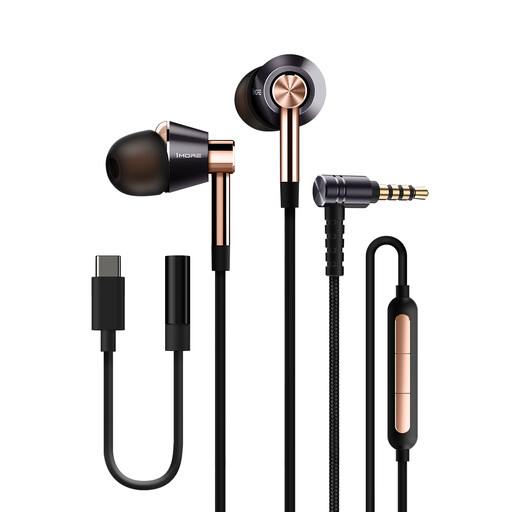
1MORE E1001 Triple Driver Wired Earphones, Gold
This wired option may suit listening when you can keep its cable clear of your work. The stated three-driver design alone does not tell you whether chords will be easier to distinguish; confirm the source connection and try the fit before relying on it for longer chores.
View on Joybuy
 No image available
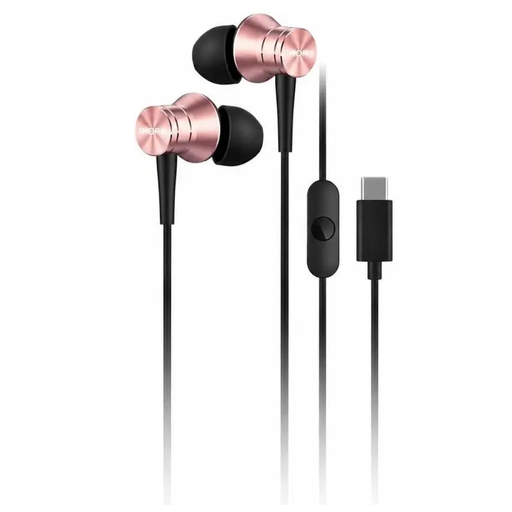
1MORE P10 Piston Type-C Wired Earphones, Pink
Consider this wired option if its Type-C connection suits your playback device and you can manage a cable during chores. Confirm device compatibility and judge its sound with familiar passages rather than assuming it will separate chord notes.
View on Joybuy
Frequently asked questions
Does driver count or frequency range tell me how clearly I will hear chords?
No: neither figure alone establishes how easily you will distinguish notes in a song. Fit and tuning are useful considerations; Sennheiser says the IE 200 avoids peaks and troughs that cause masking, but that manufacturer claim does not guarantee a result for every recording or listener.
Can I listen while vacuuming or doing another loud chore?
You can choose whether listening is appropriate for the task, but do not turn up playback to overcome loud equipment or rely on isolation to keep you aware of hazards. The World Health Organization advises keeping volume down and limiting exposure; pause playback when you need to hear warnings, people or appliances.
How should an in-ear monitor fit?
It should seal comfortably and be easy to remove without force. Shure’s SE215 guidance says fit can affect sound quality and advises holding the earphone body rather than pulling its cable when removing it.
What should I check before buying a replacement cable?
Check the exact model’s connector and the compatibility of the replacement cable before ordering. Shure lists a detachable MMCX cable for the SE215, while Sennheiser lists MMCX connectors for the IE 200; the seller can confirm the available accessories and applicable warranty terms.


