Speech-first long-haul listeners
If quiet narration is difficult to follow over steady cabin noise, focus on finding a consistent ear-tip seal and suitable passive isolation before choosing a sound character.


Choose a wired in-ear monitor that seals comfortably for the length of your listening session, rather than choosing by its sound description alone. If cabin noise is the main obstacle to following a talk, consider an isolation-oriented fit; if you expect to listen for hours, give tip comfort equal attention. Check the connection on your own device and the arrangements for your flight before relying on a wired pair for seatback audio.
If quiet narration is difficult to follow over steady cabin noise, focus on finding a consistent ear-tip seal and suitable passive isolation before choosing a sound character.
If you plan to listen for extended stretches, try the available tip options and check whether the shell and cable routing remain comfortable over time.
If you plan to switch between a phone, tablet and seatback entertainment, confirm each connection separately rather than assuming one plug will fit them all.
For museum talks on a long flight, assess the seal and long-wear fit, then check the connection you will actually use before deciding by sound character.
| Concern | What to check | Who this matters to |
|---|---|---|
| Cabin noise | Try the supplied tips for a consistent seal. Treat attenuation figures as model-specific manufacturer claims, not a promise of your own result. | When cabin noise masks quieter words, I want a seal that helps me follow the talk without simply turning it up; around 33% of consumers put isolation first. |
| Long-wear fit | Check tip choices and whether the shell and cable remain comfortable during a normal listening session. | For a talk that lasts well beyond a short listen, I need an in-ear fit I can keep wearing; roughly 27% of consumers make comfort their primary concern. |
| Wired connection | Confirm your device's audio output and any required adaptor; check the entertainment arrangement for your flight separately. | If I plan to use both my own device and seatback audio, I need to know how each will connect; around 27% of consumers prioritise connection certainty. |
| Sound for other listening | Consider the model's stated sound character for music as well as narration, without treating tuning as a substitute for a good seal. | When the same earphones will also play music, I care about their wider listening role; roughly 13% of consumers put that need first. |
A printed specification cannot tell you whether the tips will seal comfortably in your ears while cabin noise competes with narration.
Try the available tips during a normal listening session before departure. Read isolation figures as claims for the particular model under its stated fit conditions.
A connection that works with your own device does not establish what will connect to the entertainment equipment on your particular flight.
Check your device's output, identify any compatible adaptor you need and confirm the flight's entertainment arrangements.
If your phone or tablet has no matching audio output, using wired earphones may also mean carrying a compatible adaptor or digital-to-analogue converter.
Isolation can make cabin announcements harder to hear. British Airways instructs passengers to remove headphones for the safety briefing.
Remove your earphones for the briefing and whenever crew instruct you to do so; keep the cable clear when moving around the cabin.
A louder setting is not a replacement for a suitable seal during a long listening session. Royal Free London NHS Foundation Trust advises using only the volume needed for comfortable listening.
Check the fit first, keep the volume comfortable and take listening breaks.
The ER2XR is an isolation-oriented wired model to consider when cabin noise is your main obstacle to following narration.
The SE215 offers a wired option with several supplied sleeve choices for listeners balancing isolation and fit.
The wired IE 200 is relevant if you want to consider compact fit and music listening alongside spoken audio.
The Aria 2 is a wired model to examine if a 3.5 mm connection and detachable cable arrangement suit your source.
These wired earphones are options to consider for listening to museum talks while travelling. Compare the stated connection for each model with your device and check its fit before relying on it in cabin noise.
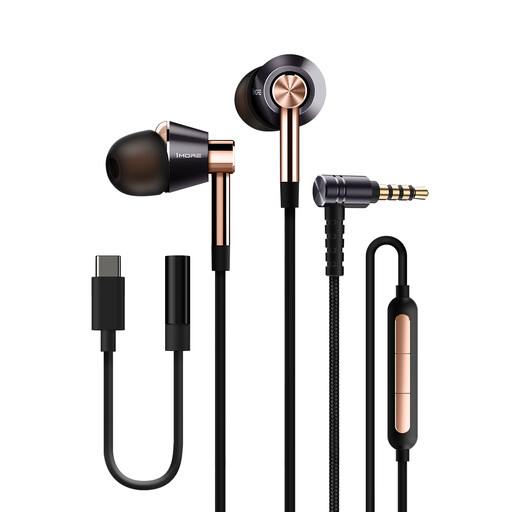 No image available
For museum talks on your own player, confirm the earphones' plug matches its audio output and try the fit before travelling.
The product name identifies a triple-driver design and MEMS microphone; neither establishes how well the earphones will isolate cabin noise.
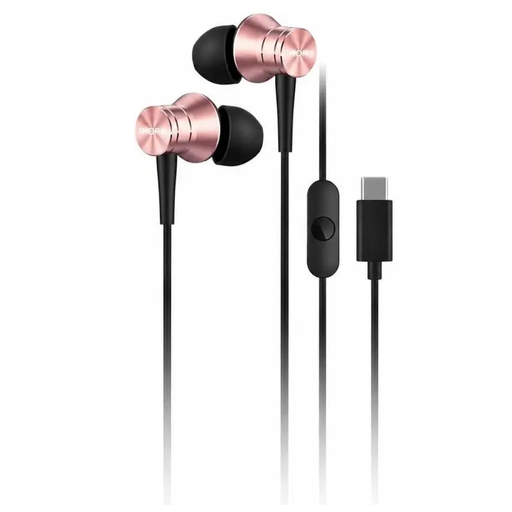 No image available
Consider this wired option for a compatible Type-C audio source, but confirm audio compatibility with your particular device. Check the connection used by your flight's entertainment system separately, and try the fit before relying on it for narration.
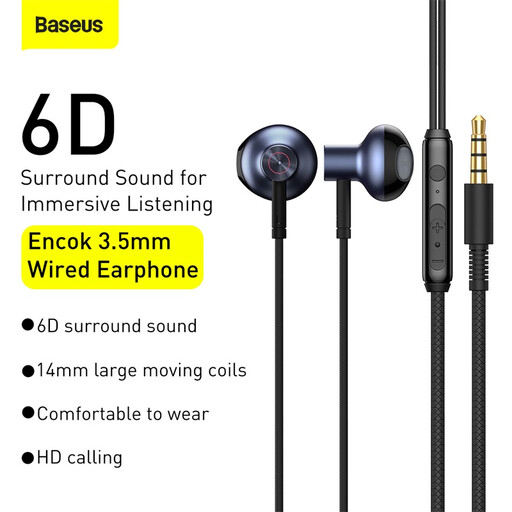 No image available
For a device with a compatible 3.5 mm audio output, this wired model is worth considering for spoken audio. Check its fit and seal before depending on it to reduce competing cabin noise, and confirm the seatback connection separately.
British Airways says passengers may use their own headphones with a personal device or its in-flight entertainment system, but must remove them for the safety briefing. Follow the instructions given by the crew on your flight and keep the cable clear when moving around.
A 3.5 mm plug will connect directly only where the source has a compatible output. Check your phone or tablet for a matching socket or the appropriate audio adaptor, then confirm the entertainment connection for your particular flight rather than assuming it uses the same arrangement.
Start by finding an ear-tip seal that is comfortable and reduces competing cabin noise, then use only the volume needed to hear the talk. Royal Free London NHS Foundation Trust advises keeping headphone volume no higher than necessary; take breaks during a long listening session.
No; if your model supplies alternative sizes or materials, try them to find a stable, comfortable seal. Shure supplies foam and soft-flex sleeves for the SE215, while Sennheiser lists ear-tip adapters for the IE 200. A published isolation figure cannot tell you which tip will fit your ears.