Listeners following speech over cabin noise
If ingredient quantities and recipe steps are hard to catch, focus on a secure seal and passive isolation rather than choosing by music tuning alone.


For spoken cooking podcasts in a noisy cabin, prioritise an in-ear monitor that gives you a comfortable, secure seal over music-oriented features you may not need. Check both your device and the booked aircraft’s audio connection before choosing a wired plug: fit varies between ears, and a published isolation figure cannot guarantee your result.
If ingredient quantities and recipe steps are hard to catch, focus on a secure seal and passive isolation rather than choosing by music tuning alone.
If you expect to wear in-ear monitors for much of the flight, tip choice and a stable fit matter alongside any published isolation figure.
If you may alternate between your own device and seat-back entertainment, check each connection before settling on a wired model.
For cooking podcasts on a long flight, decide which need comes first for you, then check fit and connections before relying on an isolation claim. Shure says isolation varies with ear shape, sleeve choice and fit, so a stated figure is not a personal guarantee.
| Concern | What to check | Who this matters to |
|---|---|---|
| Following speech over cabin noise | Check the available tip options and whether you can maintain a comfortable seal. Treat manufacturer isolation figures as model-specific claims. | If ingredient amounts get lost behind cabin noise, I want to follow the speaker without turning the volume up to compensate; around 36% of consumers put speech clarity first. |
| Comfort over a long flight | Look at tip sizes and materials, then assess whether the fit remains stable without uncomfortable pressure. | For a long listening session, I need earphones I can keep wearing comfortably; for around 29% of consumers, lasting fit is the main concern. |
| Playback connection | Match the plug to your phone or tablet, and check the entertainment connection on your booked aircraft before relying on an adapter. | I may switch from my own device to a seat-back screen and want to know how each will connect; connection is the first concern for around 21% of consumers. |
| Listening volume | Establish a comfortable seal before raising the volume, and use your device’s volume controls during extended listening. | Even when the cabin is noisy, I want to avoid listening louder than necessary; around 14% of consumers place volume management first. |
Shure says passive isolation depends on ear-canal shape, sleeve, model and fit. A poor seal can make podcast dialogue harder to follow.
Check the available tip options and the seller’s conditions for returning opened earphones. Try the fit at a low volume before relying on it for the flight.
A connection that works with your personal device may not fit the booked aircraft’s entertainment socket.
Check both connections before choosing an adapter or relying on the in-ear monitors for seat-back audio.
You may need to carry a separate adapter if the connections differ.
Shure says its isolating earphones are not NRR-rated hearing-protection devices. Isolation also does not remove the risks of prolonged high-volume listening.
Keep the volume down and take listening breaks; do not use an isolation claim as a reason to listen louder.
British Airways asks passengers to remove headphones for the safety briefing so they can hear it.
Remove your earphones for the briefing and follow the cabin crew’s instructions throughout the flight.
The SE215 is a UK-listed wired option to consider if you want a detachable 3.5 mm cable, a choice of supplied sleeves and a carrying case.
The wired ER2XR is an option to examine if passive isolation is your main priority and you are prepared to assess its fit carefully.
The IE 200 is a wired, closed in-ear option to examine if a 3.5 mm angled plug and replaceable MMCX-style cable arrangement suit your devices.
These wired in-ear choices are relevant to listening to podcasts while travelling. Check their connections and your own fit rather than assuming either will work directly with seat-back entertainment or provide a particular level of cabin-noise reduction.
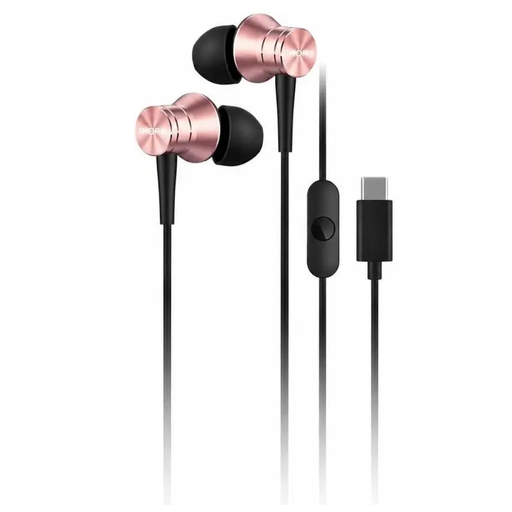 Image unavailable
For cooking podcasts played from a compatible Type-C device, this wired model offers the connection named in its title. Check that your device supports audio through its Type-C port; using a seat-back system depends on the aircraft’s connection. Assess tip fit before relying on passive isolation for a long flight.
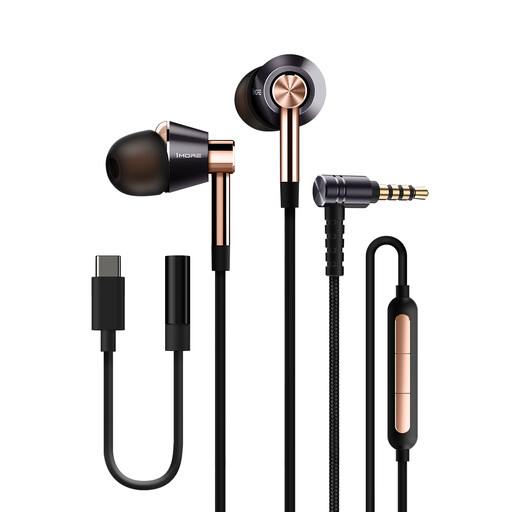 Image unavailable
If you want a wired pair for podcasts during a long flight, check this model’s plug against both your playback device and the booked aircraft’s entertainment connection. Its product name identifies a MEMS mic; for listening comfort and isolation, assess how the earphones fit your ears rather than relying on the model name.
Check your airline’s instructions for the flight. British Airways says passengers can use their own headphones during the flight but asks them to remove headphones for the safety briefing; follow cabin-crew directions on device use as well.
Do not assume it will fit your booked aircraft. British Airways says passengers can attach their own headphones to in-flight entertainment, but that does not establish the socket used on every aircraft; check the connection before choosing an adapter.
No isolation figure guarantees the same result in every ear. Shure says the outcome depends on ear-canal shape, sleeve, earphone model and fit, so check whether the tips give you a comfortable, stable seal.
Keep the volume down even if the cabin is noisy. The World Health Organization advises setting device volume to no more than 60% of maximum; listening duration matters too, so take breaks rather than compensating for a poor seal by continually raising the level.