Dialogue-first long-haul listeners
If names and quiet clues are hard to follow over cabin noise, focus on a comfortable seal and a manageable listening level rather than boosted bass.


Choose an in-ear monitor that seals comfortably before prioritising extra bass: fit matters when you are trying to follow quiet dialogue over cabin noise. A wired 3.5 mm model avoids earbud battery dependence if your playback source has a compatible output; with wireless earbuds, check Bluetooth compatibility and whether the stated listening time suits your flight.
If names and quiet clues are hard to follow over cabin noise, focus on a comfortable seal and a manageable listening level rather than boosted bass.
If you want to plug into your own device or the aircraft entertainment system, check the actual audio socket before choosing a cable. Wired listening does not depend on an earbud battery.
For a story lasting several hours, look for tip and fit options you can try before travelling, alongside a sound presentation that suits spoken content.
Start with a seal you can wear comfortably, then match the connector or wireless connection to the device you will actually use.
| Concern | What to check | Who this matters to |
|---|---|---|
| Isolation and dialogue | Try the supplied tip sizes for a comfortable seal; treat published attenuation as a model-specific manufacturer claim. | If cabin noise makes quiet clues hard to catch, I want to follow the story without continually raising the volume. Around 40% of consumers put isolation and sensible-volume listening first. |
| Playback connection | Confirm your device or aircraft socket accepts the plug, or that your intended source supports Bluetooth. | I plan to listen through a particular phone or seatback screen, so the earphones need to connect to that source. Around 30% of consumers make connection compatibility their primary concern. |
| Fit for extended listening | Try the tips and cable position during a longer session; assess sound with spoken content you know. | For a story lasting several hours, I need a fit that stays comfortable and speech I enjoy listening to. Around 30% of consumers prioritise long-wear fit and spoken detail. |
Passive isolation changes with the ear tips and seal. Shure’s and Etymotic’s published attenuation figures describe their respective products, not what every listener will experience on an aircraft.
Try the supplied sizes before travelling, and favour a seal that remains comfortable rather than forcing a painful fit.
A 3.5 mm plug does not establish compatibility with every phone, tablet or aircraft entertainment socket.
Check your device’s audio output and ask the airline about the entertainment socket on your flight.
A device-specific audio adapter may also be needed.
Listening level and duration both matter on a long flight. The World Health Organization advises keeping device volume to no more than 60% of maximum.
Start with a comfortable seal, keep the volume down where practical and take listening breaks.
Isolation can make announcements less noticeable. British Airways tells passengers to remove headphones for its safety briefing; crew instructions take priority throughout the flight.
Remove your earphones when asked and keep any cable clear of your movement.
The wired SE215 and AONIC 215 lines are relevant if you want tip choices and an over-ear cable fit.
The wired IE 200 is an option for listeners interested in adjustable fit and the neutral, precise presentation described by Sennheiser.
The ER2XR is relevant if your priority is a model with a published passive-attenuation specification.
These choices cover wireless earbuds and wired 3.5 mm or USB-C earphones for listening on a long flight. Match each connection to your own device or confirmed seatback output before choosing.
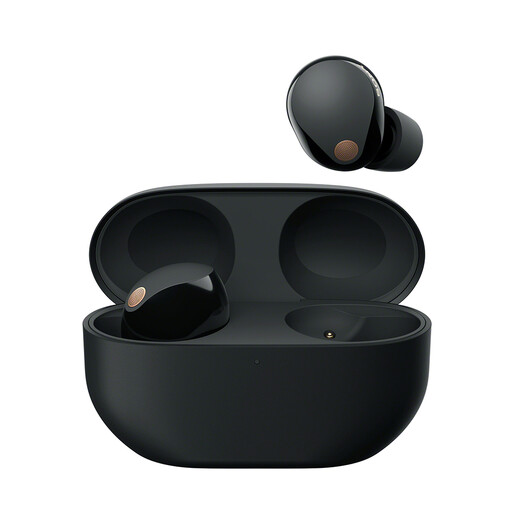 No image available
A wireless option if you intend to play your story from a compatible Bluetooth source. Noise cancellation is advertised for this model; check the listening time you need and follow crew instructions when headphones must be removed.
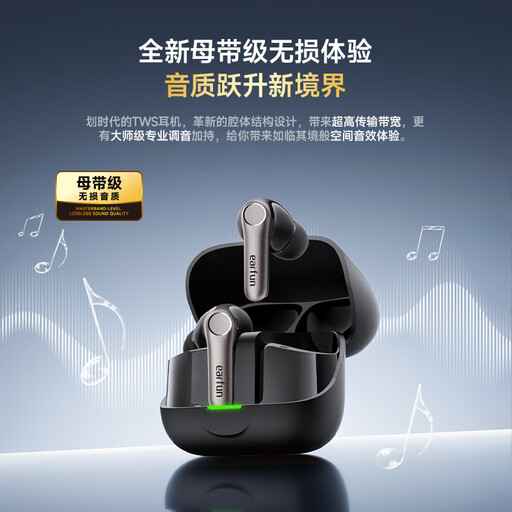 No image available
Consider these if you prefer wireless playback and can connect your intended audio source by Bluetooth. The product title specifies Bluetooth 6.0 and advertises noise cancellation; check battery life under the settings you plan to use rather than treating the headline playtime as an ANC-on figure.
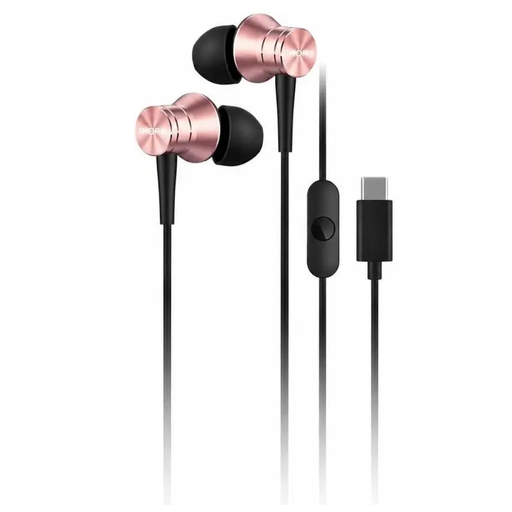 No image available
A wired choice for a personal device that supports USB-C audio. The Type-C connector is specified in the product name; check your device’s audio compatibility before relying on it for the flight.
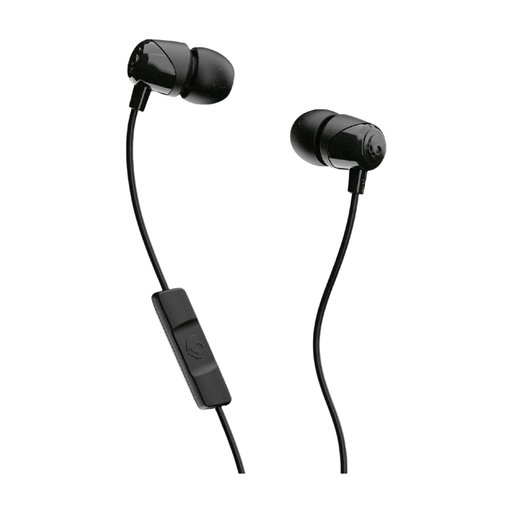 No image available
A wired option when your personal player or confirmed aircraft output accepts a 3.5 mm plug. Try the fit for extended listening rather than assuming the in-ear design will provide a particular level of isolation.
 No image available
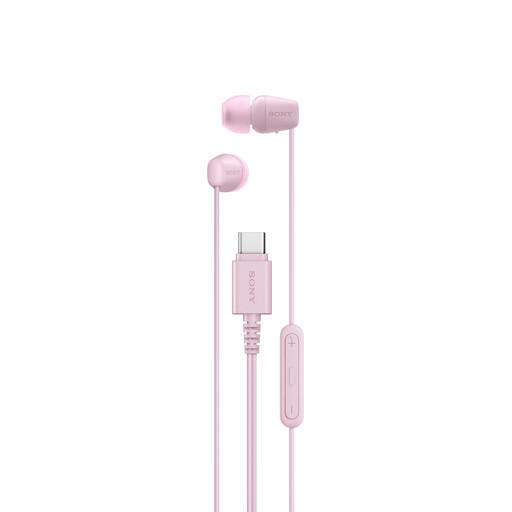
Consider these for listening from a personal device with compatible USB-C audio. Check the fit and whether the seal works for your cabin-noise needs; the USB-C connection alone does not establish seatback compatibility.
Choose wired earphones if avoiding earbud battery dependence matters and you have confirmed a compatible audio output. Wireless earbuds can suit listening from a Bluetooth source, but check their listening time and the airline’s instructions before relying on them for the journey.
No: a 3.5 mm plug is useful only when the aircraft system has a compatible output or you have an appropriate adapter. Check the socket for your flight, and check your phone or tablet separately if you plan to use it instead.
Try a comfortable seal and keep playback at a moderate level rather than continually increasing it to overcome cabin noise. The World Health Organization advises keeping device volume to no more than 60% of maximum; take breaks during extended listening.
Follow the cabin crew’s instructions for each stage of your flight. British Airways asks passengers to remove headphones for its safety briefing, while the European Union Aviation Safety Agency notes that headphones can reduce awareness of surroundings and that cords can obstruct movement.
Check the seller’s returns terms for in-ear products, the applicable warranty and whether replacement tips or cables are available for your model. Do not assume that terms stated for one brand or seller apply to another purchase.