Speech-first campsite listeners
If nearby conversation makes the talk hard to follow, a comfortable seal and passive isolation may matter most. You can pause or remove an earpiece whenever you need to hear what is happening around you.


Choose a comfortable, well-sealing wired in-ear monitor if following every word of a museum talk matters more than hearing campsite activity. Choose an ambient-aware design if you need to notice people and sounds around you, accepting that outside noise may compete with the narration. In either case, check the connection to your talk device, the supplied tips and whether you need a microphone or playback controls.
If nearby conversation makes the talk hard to follow, a comfortable seal and passive isolation may matter most. You can pause or remove an earpiece whenever you need to hear what is happening around you.
If you need to hear companions and campsite activity while listening, consider an ambient-aware monitor rather than pursuing the strongest possible isolation.
If your phone or laptop plays the talk, check its audio connection before choosing earphones. A microphone and playback controls matter only if you need those functions and they work with your device.
For museum talks at a campsite, decide whether clear narration or awareness of your surroundings takes priority. Then check the connection and whether the tips fit comfortably.
Choose when: You will sit and concentrate on speech while nearby noise competes with the talk.
Accept: A close seal can make people and activity around you less noticeable; pause or remove an earpiece when awareness matters.
Choose when: Hearing companions and campsite activity alongside the talk is more important than blocking outside sound.
Accept: Ambient sound may compete with spoken narration. Westone Audio describes its AM Pro X10 StageSense system as combining ambient sound with the monitor signal.
| Concern | What to check | Who this matters to |
|---|---|---|
| Speech clarity in background noise | Look for a comfortable, stable seal and supplied tip options; do not treat different manufacturers’ attenuation figures as a head-to-head test. | If nearby voices make me miss words, I want the talk to stand out without turning up the volume. Around 31% of consumers put speech clarity first. |
| Connection and controls | Match the plug to your phone, player or laptop. If needed, confirm microphone and remote operation with the exact device and adapter. | When I play talks from my phone, I need the earphones to connect and the controls I use to work. Around 23% of consumers make connection and controls their primary concern. |
| Awareness of the campsite | Decide whether an ambient-aware design suits your listening position, or plan to pause and remove an earpiece when you need to hear others. | I want to follow the talk without missing companions or nearby activity. Roughly 23% of consumers put environmental awareness first. |
| Fit and listening volume | Try the supplied tip sizes at a restrained volume and take breaks; do not force a painful seal. | For a longer talk, I need tips I can wear comfortably without raising the volume to compete with noise. Around 23% of consumers prioritise fit and restrained-volume listening. |
Isolation can help narration stand out, but it can also make nearby people and activity harder to notice.
Use a close-sealing pair for seated, speech-focused listening. Choose ambient-aware listening, or pause and remove an earpiece, when you need to pay attention to the site.
A 3.5 mm plug needs a compatible output or adapter. An adapter may not preserve microphone and remote functions.
Check the device connection and confirm any required controls with the exact cable and adapter combination.
A phone without a 3.5 mm output may require a compatible USB-C or Lightning adapter or digital-to-analogue converter.
The World Health Organization advises that hearing risk rises with louder sound and longer or more frequent exposure. Isolation does not make unrestricted listening safe.
Seek a comfortable seal, keep the volume restrained, take breaks and use your device’s exposure tools if available.
A tip that seals poorly may let background noise interfere with speech; one that causes pain is not a workable fit.
Try the supplied sizes and materials at low volume, and check the seller’s policy for trying in-ear products before buying.
Different replacement tips may be needed if none of the supplied options fits comfortably.
These examples describe specific product lines and their selection trade-offs, not every earphone made by each brand.
The wired AONIC 215 is an option to examine if you want isolation alongside a 3.5 mm communication cable.
The ER2XR is an isolation-oriented option to examine for speech-focused listening.
The AM Pro X10 offers a route for listeners who want programme audio alongside some environmental sound.
These wired in-ear choices cover different connections and tip options for playing a talk from a compatible device. Check fit and campsite awareness separately; the listed products do not establish a direct comparison of their isolation.
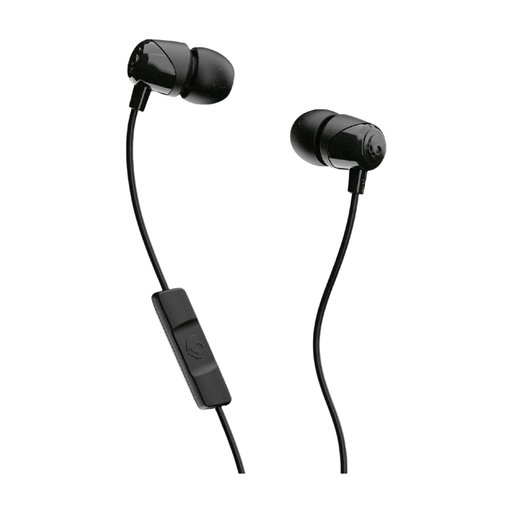 No image available
Consider these if your talk device has a compatible 3.5 mm output and you want call and track controls. The listing describes S and M silicone ear gels and a noise-isolating fit; check whether the tips seal comfortably enough for speech listening.
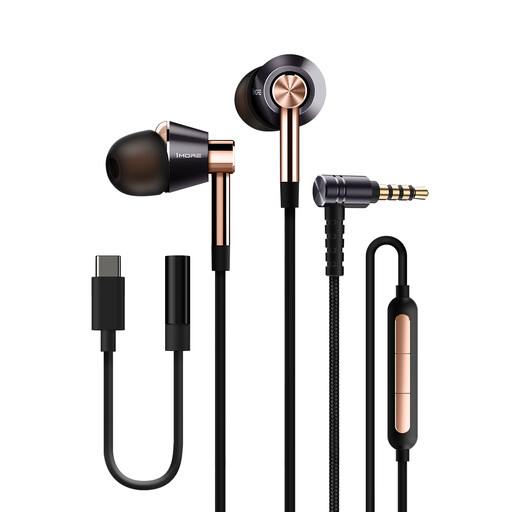 No image available
Consider these if you want to try both silicone and foam tips for a comfortable seal while listening to talks. The listing describes a wired design, MEMS microphone and remote; confirm the connector matches your talk device before buying.
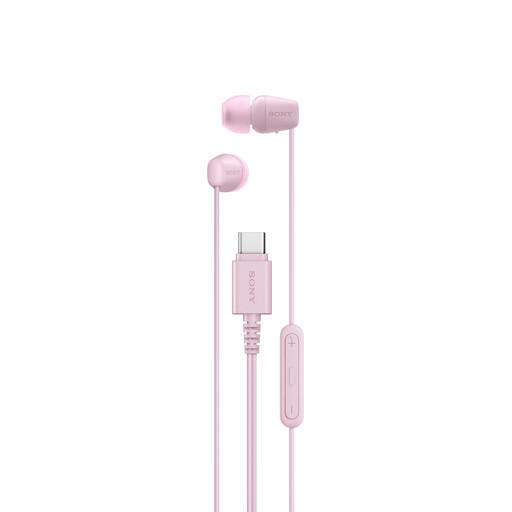 No image available
Consider these if the device playing your talk has a compatible USB-C audio connection. They have a fixed USB-C cable and integrated microphone; if understanding speech over campsite noise is your main concern, check the fit for yourself rather than assuming a particular level of isolation.
Choose a comfortable isolating fit if you will mainly sit still and need speech to stand out over nearby noise; favour ambient awareness if hearing people around you takes priority. Shure’s stated figure of up to 37 dB for the AONIC 215 and Etymotic’s 35–42 dB for the ER2XR are manufacturer figures for different products, not a direct comparison of how they will fit or sound to you.
They connect directly only if the phone has a compatible 3.5 mm headphone output. For a USB-C-only or Lightning-only phone, confirm that the exact adapter supports audio and, if you need them, the cable’s microphone and controls.
Start at a restrained volume with tips that seal comfortably, and take breaks rather than forcing a painful fit. The World Health Organization advises that sound level and listening duration both affect hearing risk; pause or remove an earpiece whenever you need to pay attention to campsite activity.
Check which tips and cable are supplied, whether replacements fit the exact model, and the seller’s policy for trying in-ear products. Shure states a two-year warranty for its UK AONIC 215, but check the terms applicable to the particular product and seller you choose.