Speech-first rail listeners
If carriage noise masks museum narration, a consistent ear-tip seal matters more to you than a bass-heavy presentation. Check how the tips fit rather than choosing by an isolation number alone.


Start with an in-ear monitor that seals comfortably and connects to the device playing your museum talk. Passive isolation can make speech easier to follow without simply turning up the volume, but its usefulness depends on fit throughout the journey. If train noise is your main obstacle, investigate isolation and tip fit; if you listen for longer, give comfort and connection requirements equal attention.
If carriage noise masks museum narration, a consistent ear-tip seal matters more to you than a bass-heavy presentation. Check how the tips fit rather than choosing by an isolation number alone.
If you listen through much of a journey, look for tip sizes or materials you can try. An isolating seal is of little use if it becomes uncomfortable before the talk ends.
If your talk plays from a phone, tablet, laptop or museum-audio device, check its audio output against the earphones’ plug. A detachable cable does not, by itself, make every connection accessory compatible.
For spoken audio on a train, establish a comfortable seal first, then check the playback connection and how you will manage volume and awareness of announcements.
| Concern | What to check | Who this matters to |
|---|---|---|
| Speech against train noise | Check the supplied tip options and the conditions attached to any model-specific passive-isolation claim. | When carriage noise masks quieter narration, I want a seal that helps me follow speech without raising the volume; around 36% of consumers put speech clarity first. |
| Comfortable seal | Check included tip sizes and materials, and the return terms before opening any hygiene seal. | For a longer talk, I need the tips to stay secure without becoming uncomfortable. Comfort is the primary concern for around 29% of consumers. |
| Device connection | Match the cable plug to your device’s audio output; check adapter or accessory compatibility where relevant. | If my museum audio plays from a phone or another device, I need to know the earphones will connect to it. Around 21% of consumers place connection compatibility first. |
| Volume and awareness | Keep playback moderate and be ready to pause or remove an earpiece when you need to hear announcements. | I want to hear the talk without losing track of staff or announcements. Safe, context-aware listening comes first for around 14% of consumers. |
Etymotic states 35–42 dB passive attenuation for the ER2XR depending on tips and insertion depth; Shure describes the SE215 as blocking up to 37 dB. Those manufacturer figures do not establish which model will isolate better in your ears.
Use the figures to investigate fit and isolation, and check the supplied tips and applicable return terms before choosing.
The Shure SE215 and Sennheiser IE 200 packages specify wired 3.5 mm cables. Neither will plug directly into a device without a compatible output.
Check the device port and any adapter requirement before ordering; check microphone or control compatibility separately if you need those functions.
A suitable audio adapter may be needed for a phone or tablet without a 3.5 mm headphone output.
Isolation is not a reason to listen louder. The World Health Organization advises keeping volume down and using well-fitted headphones in noisy settings.
Set a moderate level and pause or remove an earpiece when you need to hear people or announcements.
GOV.UK identifies an exception to change-of-mind returns for sealed goods unsuitable for return for health or hygiene reasons once unsealed. Whether it applies depends on the goods and their packaging; it is distinct from a complaint about faulty or misdescribed goods.
Check the retailer’s terms before breaking a hygiene seal, while keeping those different reasons for a return separate.
The ER2XR is a route to consider when train noise makes speech difficult to follow.
The SE215 combines a supplied fit kit with a detachable wired cable.
The IE 200 offers several supplied tip choices for listeners assessing longer-wear fit.
For listening to museum talks on a train, these choices include wired in-ear earphones and a wireless noise-cancelling option. Match the connection and fit considerations to your device and journey rather than treating their noise-control descriptions as interchangeable.
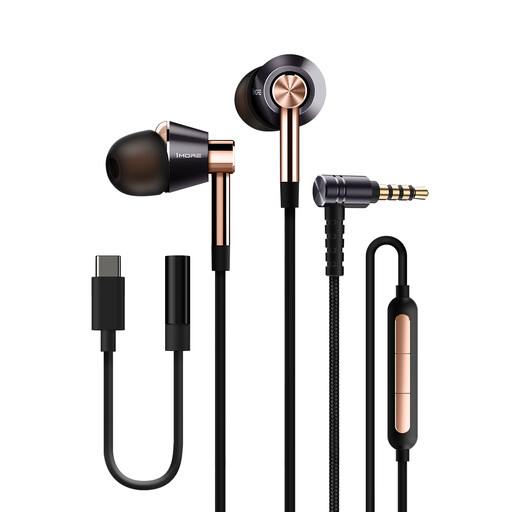 No image available
Consider these for wired museum-talk listening if you want to assess different tip options for your journey.
The product name specifies an in-ear wired design and a MEMS microphone. Check the cable connector against your playback device and confirm the included tips before ordering.
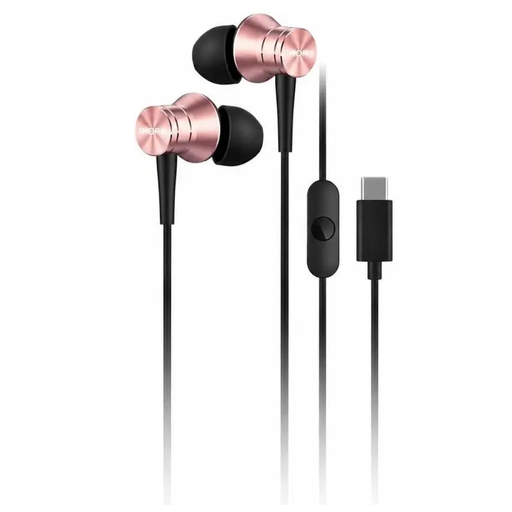 No image available
These are worth considering if your museum talk plays from a device that supports audio over USB-C.
The product name specifies a wired Type-C version. Confirm your device’s audio compatibility, the tip options and the package contents before buying.
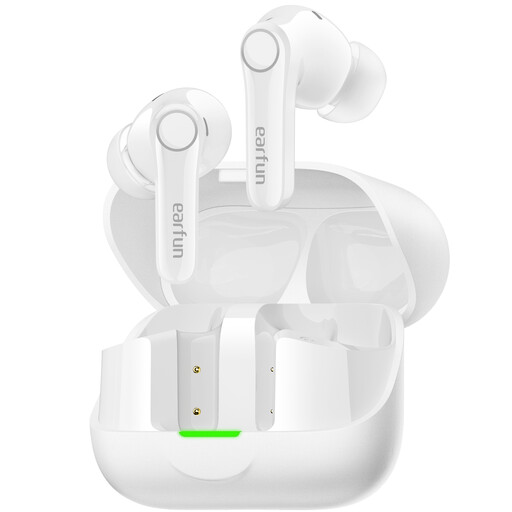 No image available
Consider this wireless option if you prefer listening without a cable and want active noise cancellation (ANC).
The product name specifies Bluetooth 6.0 and ANC. A noise-cancellation figure alone cannot tell you how clearly museum narration will come through on a train; check the available tip options and fit.
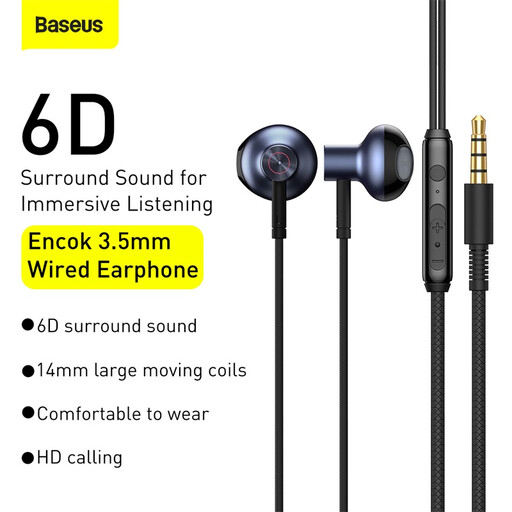 No image available
These suit a straightforward wired connection if the device playing your talk has a compatible headphone output.
The product name specifies a 3.5 mm connection. Check the supplied tips for fit and use a suitable adapter if your device has no 3.5 mm output.
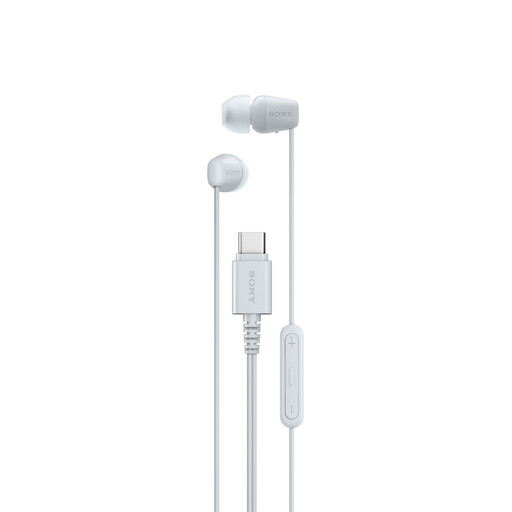 No image available
Consider these for museum-talk playback from a device that supports USB-C audio.
The product name specifies a wired USB-C connection. Confirm audio-output compatibility and check the supplied tip options before relying on them for a longer journey.
A well-fitting isolating pair can reduce the outside noise competing with speech, though the result depends on your seal and the train environment. The World Health Organization advises keeping device volume to no more than 60% of maximum; do not treat isolation as a reason to listen louder.
Try the supplied sizes and materials to find a secure seal that is not painful, rather than assuming a tighter tip will be suitable for the whole journey. The Shure SE215 includes a selection of sleeves, while the Sennheiser IE 200 includes silicone and memory-foam tips in S, M and L; neither set guarantees a fit for every ear.
It will work only if the device has the appropriate audio output or you use a compatible adapter. The Shure SE215 and Sennheiser IE 200 packages specify 3.5 mm cables, so check the device port before ordering either model.
For a UK online change-of-mind return, check whether the goods have a hygiene seal before opening them: GOV.UK identifies an exception for sealed goods unsuitable for return for health or hygiene reasons once unsealed. That exception concerns change-of-mind cancellation, not a complaint that goods are faulty or misdescribed; check the applicable terms and keep those reasons separate.