Who these earphones may suit

Podcast listeners competing with household noise

If appliances, television or conversation compete with a podcast, a comfortable ear-tip seal matters more than a sound description alone. Shure and Etymotic describe isolation-oriented designs, but fit still needs assessing in your own ears.

Listeners who move around while listening

For light tasks around the home, look at tip choices and how securely the cable routes around your ears. Audio-Technica and Sony describe models with over-ear fit features; check whether their particular arrangement suits your movement.

Phone-and-laptop listeners who take calls

Check for an included microphone and remote rather than assuming a wired in-ear monitor has them. Shure specifies a communication cable for its AONIC 215; your phone or laptop must also support the connection.

What matters when choosing

For gardening podcasts in a noisy home, establish a comfortable seal first, then decide whether calls, spoken-word sound preference or a secure fit while moving matters most to you.

ConcernWhat to checkWho this matters to
Isolation and comfort Look for tip sizes or materials you can try, and assess the seal and comfort over a full episode. Treat stated attenuation as model-specific, not a guaranteed result in every ear. When household sounds obscure the narration, I want a seal I can wear comfortably instead of turning the podcast up; around 36% of consumers put isolation and fit first.
Calls and playback control Confirm the included cable has a microphone and remote, and check its plug and controls against your device or audio adaptor. If calls interrupt my listening, I need to answer them without changing earphones. Call capability is the primary concern for around 29% of consumers.
Spoken-word sound Consider a manufacturer's neutral or balanced sound description as a preference cue, not proof of clearer speech; give fit greater weight when room noise is substantial. For longer episodes, I would rather hear a balanced presentation of narration than choose by bass emphasis; around 21% of consumers prioritise that sound preference.
Fit while moving Check the cable route, any hanger or clip, and the replacement-cable connector. Do not assume different connector types are interchangeable. While moving around the home, I want the earphones to stay put and the cable to remain manageable. A secure, serviceable fit comes first for around 14% of consumers.

Buying pitfalls

  • Choosing by driver count before checking the seal

    If the tips leak or become uncomfortable, household noise can still compete with speech. Several relevant models offer different tip sizes, but a stated isolation figure cannot guarantee your fit.

    Try the supplied tips and judge comfort and dialogue over a full episode before relying on an isolation claim.

  • Assuming every wired model handles calls

    Shure specifies a remote-and-microphone cable for the AONIC 215. A detachable listening cable on another model does not, by itself, establish call support.

    Check the exact included cable, your device connection and whether its controls will work with that device.

    A device without a suitable audio socket may also require a compatible USB-C or Lightning audio adaptor.

  • Treating isolating earphones as hearing protection

    Strong isolation can make alarms, instructions or nearby hazards harder to hear. The Health and Safety Executive cautions that excessive attenuation can impede communication and warning-signal awareness.

    Pause the podcast when awareness matters. For noisy work, follow the applicable workplace risk assessment and use the hearing protection it specifies rather than assuming listening earphones can replace it.

  • Raising the volume to compete with noise

    The World Health Organization says hearing risk rises with sound level and listening duration.

    Improve the fit or reduce surrounding noise where practical, keep playback volume moderate and take breaks during extended listening.

Brands to consider

Shure

Its wired AONIC 215 and SE215 lines are relevant when supplied tips and an over-ear, sound-isolating fit are priorities.

  • Shure states that these models can block up to 37 dB of noise; it also specifies a remote-and-microphone cable for the AONIC 215.
  • That isolation figure does not establish the seal or speech clarity you will achieve, and a 3.5 mm cable requires a compatible connection.

Sennheiser

The IE 200 is a compact wired option for listeners interested in the neutral presentation Sennheiser describes.

  • Sennheiser specifies adjustable ear hooks, several tip adapters, MMCX connectors and a 3.5 mm plug.
  • If a microphone or a particular level of passive isolation is essential, confirm those requirements for the exact configuration before choosing it.

Audio-Technica

The ATH-E40 represents a traditional over-ear monitor design for listeners assessing fit and cable construction.

  • Audio-Technica specifies four silicone-tip sizes, flexible memory loops and a detachable A2DC cable.
  • Check availability and replacement-cable options for the exact A2DC connector rather than assuming compatibility with other detachable cables.

Etymotic

The ER2XR is relevant if substantial passive attenuation is a priority and its fit suits you.

  • Etymotic states a 35–42 dB attenuation range for the ER2XR and describes foam-tip isolation.
  • Assess comfort and whether reduced awareness is acceptable before choosing a strongly isolating design; also confirm your purchase and warranty route.

Sony

The IER-M500 is relevant to listeners assessing a secure wired fit while moving around.

  • Sony describes a fitting supporter, isolation earpieces, flexible hanger and clip.
  • Those features do not establish a particular attenuation level or confirm call controls; check either requirement separately.

Joybuy products for this use

These wired in-ear choices are relevant to podcast listening and device connection. Check the fit you need for household noise and the exact microphone arrangement if you also take calls.
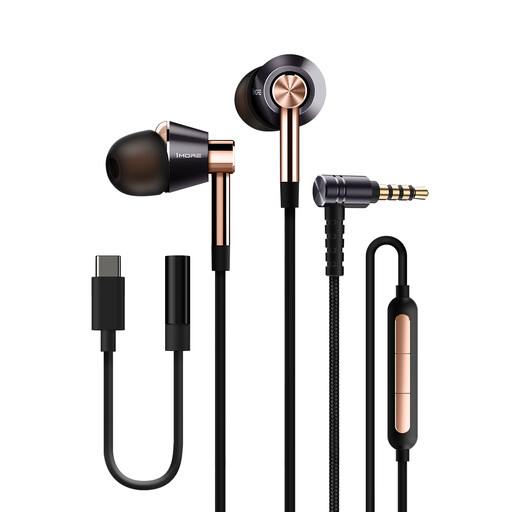
1MORE E1001 Triple Driver wired earphones with MEMS mic, Gold

1MORE E1001 Triple Driver Wired Earphones with MEMS Mic, Gold

Consider these for wired podcast listening when a microphone is part of your routine. The E1001 title specifies a MEMS mic; check the connection against your playback device and assess whether the supplied fit is comfortable enough for a noisy room.

View on Joybuy
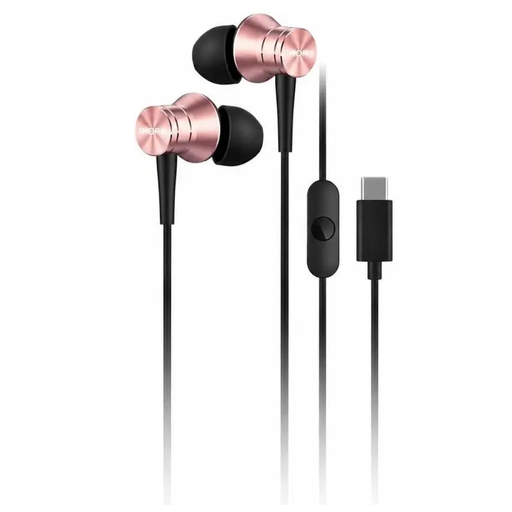
1MORE P10 Piston Type-C wired earphones, Pink

1MORE P10 Piston Type-C Wired Earphones, Pink

Consider these if your podcast device supports audio through a Type-C connection. Check the exact pack contents and call-control requirements before ordering, and assess tip comfort rather than assuming a particular level of isolation.

View on Joybuy

Common questions

Will in-ear monitors help me hear a podcast over household noise?

They can help if the tips make a comfortable seal that reduces competing sound. Try the supplied tip options and judge dialogue at a moderate listening volume; neither the product name nor a manufacturer's isolation figure guarantees the same result in every ear.

Should I listen through isolating earphones while mowing or using tools?

Avoid podcast listening when isolation could prevent you hearing machinery, people or warning signals. The Health and Safety Executive cautions that excessive attenuation can impede communication and awareness; for occupational noise, use the protection specified by the workplace risk assessment rather than assuming audio earphones are suitable hearing protection.

How can I keep podcast listening at a safer volume?

Keep the volume moderate, improve the ear-tip fit instead of turning the sound up to overcome noise, and take breaks during long sessions. The World Health Organization explains that risk increases with both sound level and exposure duration.

What if speech remains difficult to understand after I adjust the fit?

Do not assume the earphones or podcast are the only possible cause. The NHS lists difficulty hearing people clearly, particularly in noisy places, among signs of hearing difficulty; seek medical advice if the problem persists or your hearing changes.