Open-plan-office story listeners
Nearby conversations and office movement can make quiet dialogue harder to follow. Look for a seal that helps you hear the story at a sensible volume without losing awareness of anything you must hear at work.


Choose in-ear monitors that give you a comfortable, consistent seal and let you follow quiet dialogue, rather than choosing by bass claims or an isolation figure alone. Strong isolation may help with nearby chatter, but check whether your workplace permits it and whether you still need to hear alarms or colleagues. Fit, device connection and microphone requirements can change which model suits your workday.
Nearby conversations and office movement can make quiet dialogue harder to follow. Look for a seal that helps you hear the story at a sensible volume without losing awareness of anything you must hear at work.
If you listen through several chapters, tip choice and shell fit matter as much as the initial seal. Try the available sizes rather than assuming the most isolating fit will remain comfortable.
Check the audio connection required by your laptop or phone. If you also take calls, distinguish an ordinary audio cable from one with a microphone.
Check what you must still hear in the office before choosing a level of isolation; then assess dialogue, lasting comfort and the connection to your device.
| Concern | What to check | Who this matters to |
|---|---|---|
| Isolation and awareness | Check tip fit and any product-specific isolation claim. Confirm which workplace sounds you must still hear. | When nearby conversations obscure clues, I want a seal that helps me follow the story without missing essential signals; around 36% of consumers put controlled isolation first. |
| Dialogue detail | Look for model-specific tuning descriptions, then try familiar spoken-word audio at a moderate volume. | If names and quiet lines carry the plot, I care more about following speech than pronounced bass; around 29% of consumers make dialogue detail their primary concern. |
| Comfortable, stable fit | Check the supplied tip sizes, insertion style and ear-hook arrangement where applicable. | For several chapters at a desk, I need a seal that stays comfortable rather than one that soon feels painful or slips; around 21% of consumers put lasting fit first. |
| Connection, calls and workplace rules | Confirm the device connector, exact cable's microphone function and workplace arrangements for alarms. | If I move between listening and work calls, the connection must suit my device, while office instructions must remain manageable; around 14% of consumers prioritise these practical requirements. |
Etymotic states 35–42 dB attenuation for the ER2XR, while Shure states up to 37 dB for the SE215. These manufacturer figures do not establish how the two models compare under the same measurement conditions, and fit affects the result.
Use each figure as a clue about that model, then assess which tips seal comfortably and suit your office.
The Health and Safety Executive warns that excessive sound reduction can interfere with communication and hearing warning signals. That matters if your work requires you to notice alarms or instructions.
Check your employer's headphone policy and emergency arrangements before using strongly isolating monitors. Do not treat them as a substitute for workplace noise controls.
Shure lists the standard SE215 cable as a 3.5 mm audio cable; a detachable MMCX connection alone does not establish call capability.
Check the exact cable's microphone functions and your device's connector before ordering.
Taking calls may require a separate compatible communication cable or device adapter.
A tip that feels secure briefly may become uncomfortable or lose its seal during a longer chapter, affecting both isolation and listening comfort.
Try suitable sizes and materials in short sessions. Keep the option that seals consistently without forcing a deeper fit.
The wired ER2XR is worth considering if passive isolation and its stated flat midrange and treble are priorities.
The SE215 combines an over-ear, low-profile fit with a detachable cable and a choice of supplied sleeves.
The wired IE 200 is relevant if you favour a compact fit and the manufacturer's balanced-tuning description.
These wired in-ear choices offer different connections and call options for listening at a desk. Check their fit with spoken-word audio and your workplace's awareness requirements before choosing.
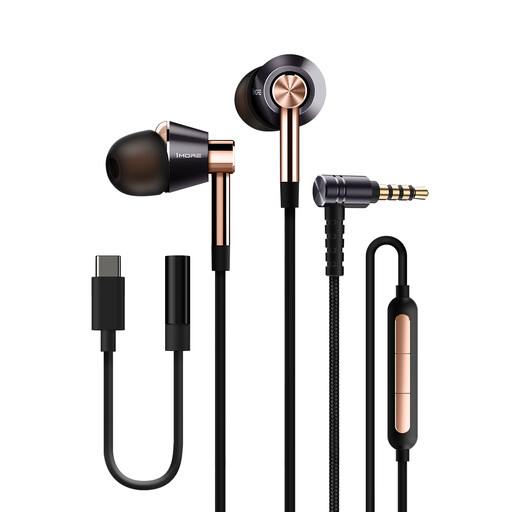 No image available
Consider these if you want wired story listening and a microphone for calls. Check the connector against your device, and try the fit and quiet dialogue in your usual office setting.
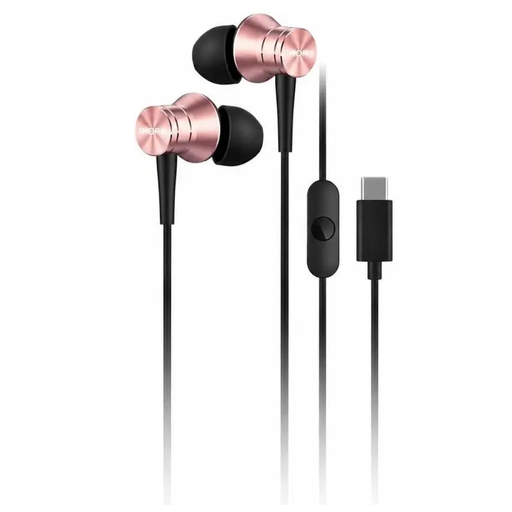 No image available
The Type-C connection is relevant if your device supports audio through that port. Check the supplied quantity before ordering, then assess the seal and dialogue clarity for your office listening.
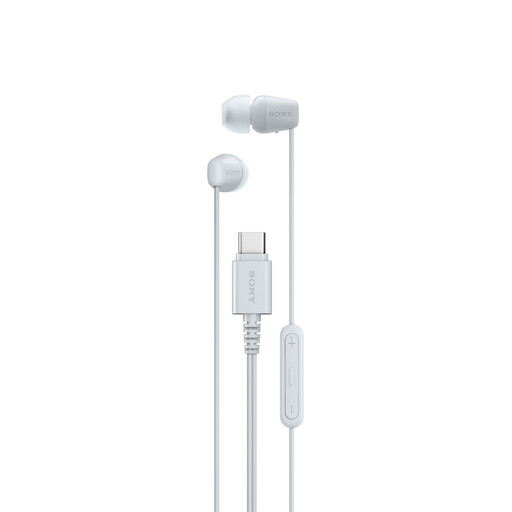 No image available
Consider this model for a device that supports USB-C audio. Check its fit and how clearly you can follow quieter dialogue amid office noise before relying on it for stories.
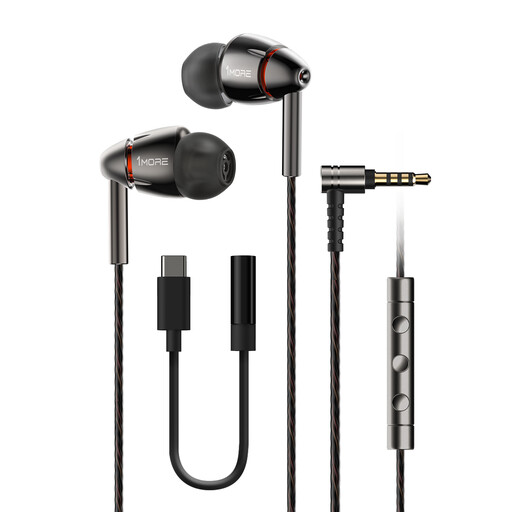 No image available
These suit a shortlist for wired listening where an in-line microphone also matters. Confirm the connector, tip fit and spoken-word clarity for your device and workspace.
Check your employer's policy and the sounds your work requires you to hear before using them. The Health and Safety Executive warns that excessive sound reduction can hinder communication and awareness of warning signals; your office's alarm and emergency arrangements matter.
No: choose a comfortable seal and suitable workplace awareness before comparing figures. Etymotic's 35–42 dB claim for the ER2XR and Shure's up-to-37 dB claim for the SE215 are product-specific manufacturer statements, not proof of which will isolate more in your ears.
Start by trying the available tip sizes for a secure, comfortable seal, then listen to familiar spoken-word audio at a moderate volume. Balanced-tuning descriptions can help form a shortlist, but they cannot guarantee clarity for every recording or listener.
Only if its exact cable and your device support the functions you need. Shure lists a standard 3.5 mm audio cable for the SE215, so check microphone capability separately, along with the connector and any required device adapter.
Check whether the cable is detachable and whether a compatible replacement is available for the exact model. Shure lists a detachable MMCX cable for the SE215, while Sennheiser lists a braided MMCX cable for the IE 200; do not assume accessories interchange between models.