Opera-detail listeners
You put vocal lines and orchestral balance ahead of extra bass emphasis. Compare exact-model tuning descriptions as well as fit.


For opera on a coach, start with an in-ear monitor that forms a comfortable seal, then choose its tuning to suit your priorities: a neutral presentation for vocal and orchestral balance, or a more isolation-focused design when road noise is the main distraction. Check the fit and your player’s wired-audio connection before buying, and keep the volume controlled rather than turning it up to compete with the journey.
You put vocal lines and orchestral balance ahead of extra bass emphasis. Compare exact-model tuning descriptions as well as fit.
Engine, road or passenger noise interferes with quieter passages, making a dependable, comfortable ear-tip seal your first concern.
You need an earpiece that stays comfortable while seated and a wired connection that works with your phone or player.
Check the seal and connection before weighing tonal preferences: neither a tuning description nor a quoted isolation figure tells you how an earpiece will fit your ears.
| Concern | What to check | Who this matters to |
|---|---|---|
| Passive isolation | Look at the supplied tip options and whether you can obtain a comfortable seal. Treat manufacturer attenuation figures as fit-dependent, not as hearing-protection ratings. | If road noise masks quiet passages, I want the ear tips to seal well without relying on a higher volume. Around 42% of consumers would put isolation first. |
| Vocal and orchestral balance | Read the exact model’s tuning description, particularly whether it claims neutral balance or emphasised bass; do not choose by frequency-range endpoints alone. | For singers and orchestra, I would rather choose a tonal balance I enjoy than assume extra bass suits every recording. Tonal balance would come first for around 33% of consumers. |
| Fit and connection | Check tip fit and cable arrangement, then confirm that the plug works with your device or a compatible wired-audio adapter. | On a long seated journey, I need the earpieces to remain comfortable and the music to connect without fuss. Around 25% of consumers would make fit and connection their primary concern. |
A poor seal can leave coach noise audible and change the perceived bass. Manufacturer figures do not guarantee the same result with every tip or ear shape.
Try the supplied tip sizes and materials for a secure, comfortable seal. If none fits, check the seller’s applicable return or exchange terms before acting.
A wired earphone is unusable with a device that cannot provide audio through its plug or a suitable adapter.
Check the earphone connector, your device’s output and any adapter’s wired-audio support before ordering.
A device without a matching output may require a compatible wired-audio adapter.
Shure says its earphones do not carry a noise reduction rating and are not intended as hearing-protection devices. Isolation also does not remove the need to manage playback volume.
Use music earphones for listening, keep the volume controlled and take breaks during longer journeys.
A published frequency range does not, by itself, tell you whether voices and orchestral instruments will have the tonal balance you prefer.
Compare the exact model’s tuning description with your preference for neutral or more bass-emphasised sound.
The ER2XR is an isolation-focused option for this journey.
The IE 200 is a wired option for listeners interested in a neutral tuning description.
The SE215 combines a low-profile over-ear fit with a detachable cable.
The IER-M500 is a wired monitor with features intended to support a secure fit.
These wired in-ear earphones offer different connection and fit considerations for listening on a coach. Check your device’s audio output and your preferred tonal balance; the product choices below do not establish how much coach noise each pair will block.
 No image available
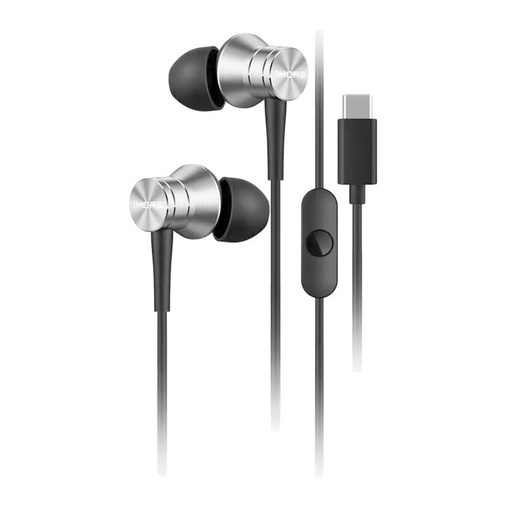
Consider this pair if your listening device supports wired audio over USB-C; confirm that support before ordering. A comfortable tip seal remains important for listening amid coach noise.
 No image available
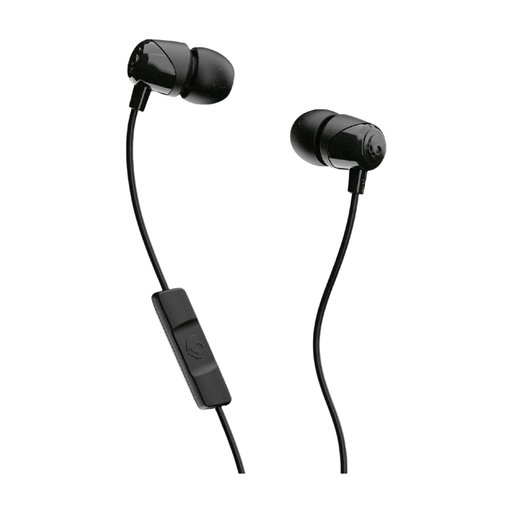
The 3.5 mm jack suits a matching audio output or compatible adapter. If vocal balance is your priority, consider whether the product’s enhanced-bass description matches your preference.
 No image available
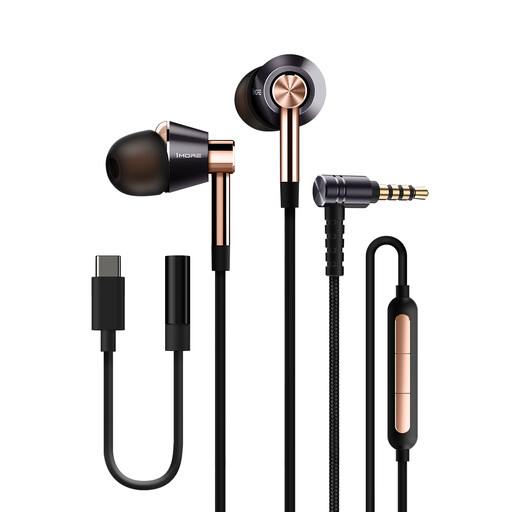
Consider this pair if trying different tip fits matters during travel. Confirm its connector against your player, and weigh its deep-bass description against your preference for opera vocals.
 No image available
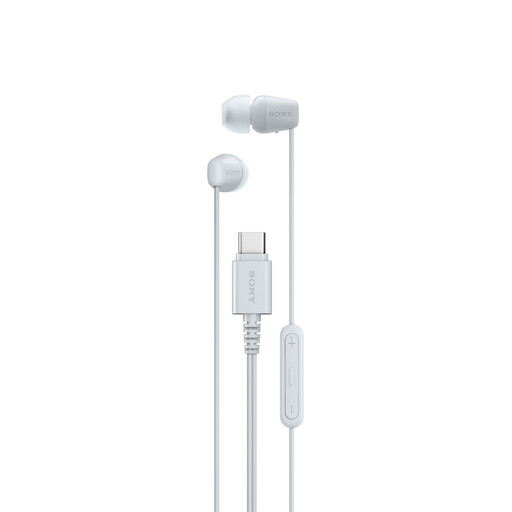
These are a wired option if your device supports USB-C audio. Check their fit for extended wear rather than treating the product’s balanced-audio description as a measure of opera tuning or coach-noise isolation.
You need a compatible 3.5 mm audio output or a suitable wired-audio adapter for these configurations. Sennheiser and Shure specify 3.5 mm connections, while Sony specifies an L-shaped stereo mini plug for the IER-M500; check your particular phone or player before buying.
Choose a tip that gives you both a secure seal and a comfortable fit. Shure says isolation varies with ear-canal shape, sleeve, model and fit; the SE215 comes with foam and flex sleeves in several sizes to try.
Start with a comfortable seal rather than using volume to overpower background noise. The World Health Organization advises keeping device volume down; take breaks during a long journey as well.