For orchestral music in a quiet library, start with a comfortably sealed wired in-ear monitor described as balanced or neutral if following quieter instrumental lines matters most. Prioritise stronger passive isolation when nearby noise distracts you, but consider how the fit feels over a long session and check that the supplied connection works with your device.
Who is this for?
Detail-first orchestral listeners
If you want to follow strings, woodwinds, brass and quieter lines without making bass the focus, start with the model’s stated tuning and a comfortable seal. Sennheiser describes the IE 200 as balanced, while Audio-Technica describes the ATH-E50 as having an accurate full-range response; neither description guarantees a particular personal preference.
Listeners distracted by nearby noise
If conversation or footsteps interrupt soft passages, look for a secure fit and tips you can wear comfortably. Passive isolation may make it easier to keep playback at a restrained level, but it does not replace sensible volume control.
Long-session listeners
If you listen while reading or studying for extended periods, tip fit and device connection deserve attention alongside sound. Check the supplied plug, any adapter you need and the earphone-side connector before counting on a replacement cable.
What matters when choosing?
Decide whether tonal balance, relief from nearby noise or long-session practicality would settle your choice. A model’s stated sound character and isolation are useful starting points, but neither tells you how its tips will fit your ears.
| Concern |
What to check |
Who this matters to |
| Tonal balance and detail |
Read the exact model’s tuning description, distinguishing balanced or neutral-oriented claims from a warmer, bass-emphasised sound. |
If I want to follow quieter instrumental lines, I would put tonal balance ahead of extra bass; around 40% of consumers put this need first. |
| Isolation and volume |
Consider the stated passive isolation and supplied tip options, then judge whether the seal remains comfortable. |
When nearby activity masks soft passages, I want less distraction without turning playback up; around 30% of consumers prioritise that need. |
| Fit and connection |
Check tip fit and the source-side plug; for detachable cables, check the earphone-side connector too. |
For a long reading session, I need earphones I can wear comfortably and connect to my device; that is the first concern for around 30% of consumers. |
Buying pitfalls
-
Assuming every monitor-style earphone sounds neutral
Monitor styling and a detachable cable do not establish the sound signature. Sennheiser describes the IE 200 as balanced and diffuse-field equalised, whereas Shure’s comparison chart describes the SE215 as warm with prominent bass.
Read the tuning description for the exact model and decide whether you want a less bass-emphasised presentation or prefer more warmth.
-
Judging bass before checking the seal
Shure says earphone fit affects sound quality; an incomplete seal can be one reason bass seems weak.
Try the supplied sleeve sizes and choose one that seals comfortably and is easy to remove before deciding that the sound needs changing.
-
Assuming detachable cables are interchangeable
The Sennheiser IE 200 and Shure SE215 use MMCX connections at the earphones, while Audio-Technica specifies A2DC for the ATH-E40 and ATH-E50.
Check both the device-side plug and the earphone-side connector before ordering an adapter or replacement cable.
-
Treating isolation as permission to listen louder
Reducing background distraction does not remove the importance of playback level and listening duration. The World Health Organization advises keeping device volume down and taking breaks during extended listening.
Set the volume only as high as needed to hear comfortably, even when the tips form a strong seal.
Brands to consider
These model ranges illustrate different tuning, fit and cable choices; a brand name alone does not establish how a particular pair will sound or fit.
Sennheiser
Sennheiser describes the wired IE 200 as balanced and diffuse-field equalised, making it a model to examine if a less bass-emphasised orchestral presentation is your priority.
- The IE 200 has a 3.5 mm plug and MMCX cable, according to Sennheiser’s product information.
- A device without a suitable headphone socket requires a compatible adapter; balanced tuning remains a matter of personal preference.
Shure
The SE215 offers an over-ear fit and several sleeve options for listeners who place particular weight on a secure seal.
- Shure states that the SE215 provides up to 37 dB of noise isolation and has a detachable MMCX cable.
- Shure’s own comparison chart calls its sound warm with prominent bass, rather than explicitly neutral.
Audio-Technica
The ATH-E40 and ATH-E50 are monitor-style options with over-ear wearing designs. Audio-Technica describes the ATH-E50 as having an accurate full-range response.
- Audio-Technica lists fit options and detachable cables for these models; its ATH-E50 information specifies a 1.6 m cable.
- Both models use A2DC earphone-side connectors, so an MMCX replacement cable should not be assumed to fit. Audio-Technica also describes the ATH-E40 as having powerful bass.
Wired in-ear choices on Joybuy
These wired in-ear earphones offer connection choices for library listening. Check each model’s fit and tuning against your orchestral priorities rather than assuming that every wired pair has a neutral sound or strong isolation.
 No image available
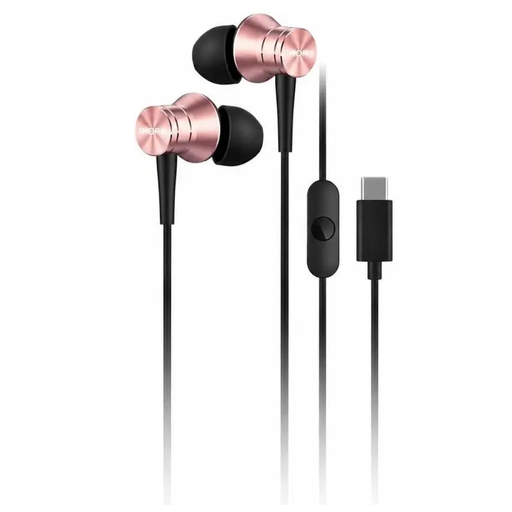
1MORE P10 Piston Type-C Wired Earphones (Pink)
Consider these for wired listening if your device supports audio through its USB-C port. Check the fit and tonal balance for your orchestral preferences, and confirm the included quantity before ordering.
View on Joybuy
 No image available
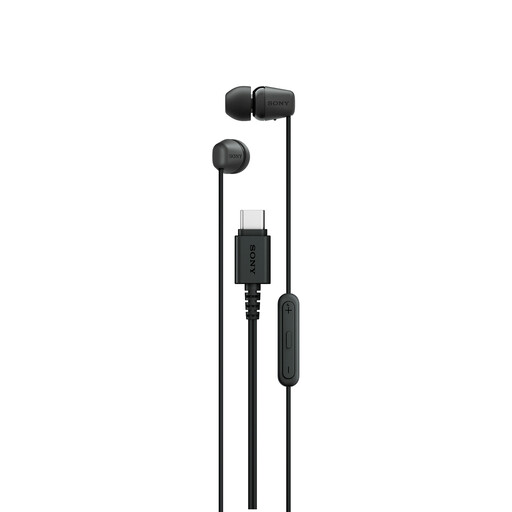
Sony IER-EX15C USB-C Wired Earbuds (Black)
These are a wired option for a device that supports USB-C audio. If tonal neutrality or isolation is decisive for library listening, check those characteristics for the IER-EX15C before choosing it.
View on Joybuy
 No image available
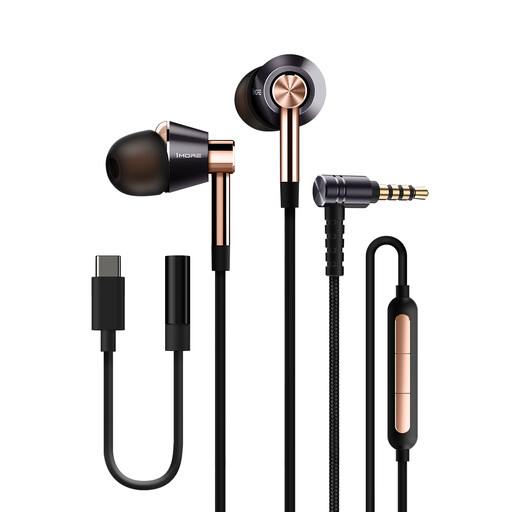
1MORE E1001 Triple Driver Wired In-Ear Earphones (Gold)
Consider this wired in-ear model if its fit and sound character suit your listening priorities. Confirm its plug type works with your device, and assess its tuning rather than taking the driver count as a measure of orchestral detail.
View on Joybuy
Frequently asked questions
Should I choose neutral or bass-forward earphones for orchestral music?
Start with a balanced or neutral-oriented model if following instrumental lines matters more to you than extra bass weight. If you prefer a warmer presentation, Shure describes the SE215 as warm with prominent bass; Sennheiser describes the IE 200 as balanced and diffuse-field equalised.
How can I tell whether the ear tips fit?
Choose a tip that forms a comfortable seal and is easy to remove. Shure says fit greatly affects sound quality, so try another supplied size if bass seems weak or the seal feels insecure.
Will a wired in-ear monitor connect directly to my device?
It will connect directly only if its plug matches an audio output your device supports. Sennheiser lists a 3.5 mm plug for the IE 200, Shure for the SE215 and Audio-Technica for the ATH-E40; check for a suitable adapter if your device lacks that socket. A USB-C model likewise requires a device that supports USB-C audio.
Can I listen louder for longer if the earphones isolate noise?
No: passive isolation may reduce the urge to raise the volume, but playback level and listening time still matter. The World Health Organization advises keeping device volume to no more than 60% of maximum and taking breaks during extended listening.


