Reference-balance comparers
If you repeatedly compare the prominence and blend of strings, winds, brass and percussion, a consistent tonal setting matters more than switching to a warmer or brighter presentation between recordings.


Choose a reference-oriented wired in-ear monitor if you need one consistent baseline for judging orchestral balance; consider adjustable tuning if you deliberately want to hear recordings through different tonal presentations. Keep any adjustable setting fixed during direct comparisons, and assess seal, comfort and source-device connections alongside sound. Manufacturer descriptions of accuracy or separation are starting points for auditioning, not proof that a model will suit every recording.
If you repeatedly compare the prominence and blend of strings, winds, brass and percussion, a consistent tonal setting matters more than switching to a warmer or brighter presentation between recordings.
If dense tuttis and quiet counter-melodies are your focus, use familiar passages to judge which presentation makes the parts you follow easiest to distinguish. A maker’s separation or soundstage claim cannot settle that choice for your recordings.
If you compare recordings for extended periods or where background noise varies, check whether the supplied tips give you a repeatable seal and a comfortable fit. Keep playback at a safe level rather than turning it up to expose quiet details.
For repeatable orchestral comparisons, decide whether you need one fixed voicing or selectable settings, then compare familiar passages at matched volume while checking fit and connections.
| Concern | What to check | Who this matters to |
|---|---|---|
| Consistent tonal reference | Choose whether you want a fixed voicing; compare familiar recordings using the same source and matched volume. Do not treat a maker’s accuracy claim as an independent comparison. | I compare how strings and brass balance across recordings and want a baseline that does not deliberately shift between warm and bright. Around 31% of consumers put a consistent tonal reference first. |
| Orchestral layers | Replay the same dense tutti and quieter counter-melody excerpts at matched volume. Check that your seal stays stable during the comparison. | When a full orchestra plays, I want to follow quieter inner parts without confusing a louder presentation with greater detail. For around 31% of consumers, distinguishing the layers is the primary concern. |
| Seal and long-session comfort | Check the supplied tip sizes and materials, then assess the seal and comfort over the length of a typical session. Allow for lower environmental awareness with stronger isolation. | I listen for long stretches or where background noise changes, so an unstable or uncomfortable fit makes comparisons harder to repeat. A secure, tolerable fit comes first for around 23% of consumers. |
| Tuning and connections | Check whether adjustable settings serve your task, and confirm the plug and source-device audio output. Do not assume different cable terminations or earphone connectors are interchangeable. | I want either deliberate tonal alternatives or a connection that works with my existing source before settling into a comparison routine. Around 15% of consumers prioritise that flexibility or connection practicality. |
The Etymotic ER4SR, Sennheiser IE 600 and Shure AONIC 4 use different driver arrangements. Those descriptions do not form a shared measure of tonal accuracy or instrumental separation.
Use specifications to check features and compatibility, then compare familiar excerpts at matched volume with a secure seal.
Shure says the AONIC 5’s removable nozzles provide balanced, warm and bright settings. Switching between them can change the listening reference as well as your impression of the recording.
Keep a note of the nozzle setting and use the same one across recordings. Try other settings separately when exploring your preferences.
Under regulation 28 of the UK Consumer Contracts Regulations 2013, the change-of-mind cancellation exception applies to sealed goods unsuitable for return for health-protection or hygiene reasons if they are unsealed after delivery. It does not mean every opened IEM is automatically excluded, and remedies for faulty goods are a separate matter.
Read the seller’s applicable terms and check the product’s sealing before opening it; keep your order documentation.
RNID warns that loud music can damage hearing and says noise around 85 dB and above can start to damage hair cells. Isolation is not a reason to raise the playback level.
Improve the seal or reduce competing noise where it is safe to do so, use a device volume limiter if available, and take listening breaks.
The wired IE 600 is relevant if you want a model Sennheiser describes as neutrally tuned, with supplied 3.5 mm and 4.4 mm cables.
The ER4SR offers a compact, single-balanced-armature route for listeners interested in Etymotic’s accuracy-focused positioning.
The wired AONIC 4 and AONIC 5 are sound-isolating, over-ear options; the AONIC 5 is the one to examine if selectable voicing matters.
The ATH-E70 is positioned by Audio-Technica for monitoring and studio use, with fit options worth examining for longer sessions.
These wired in-ear options are starting points for checking fit and source compatibility when comparing orchestral recordings. Audition familiar passages before relying on either model for a consistent tonal reference or instrumental separation.
 No image available
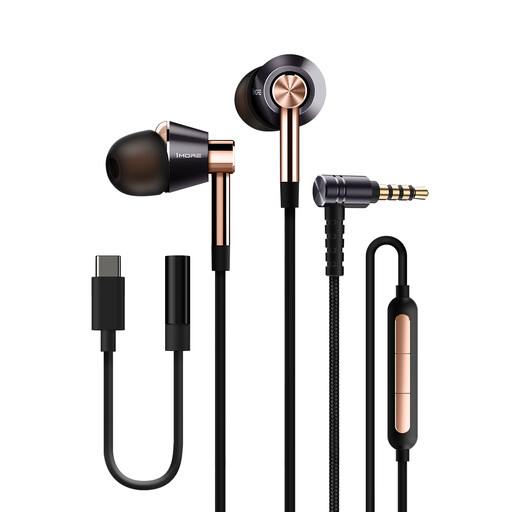
If you want a wired option to audition with orchestral excerpts, compare this model at matched volume rather than assuming it has reference tuning.
Its title identifies a Triple Driver design and MEMS mic. Check the connector against your source device, and try the fit before relying on it for long comparisons.
 No image available
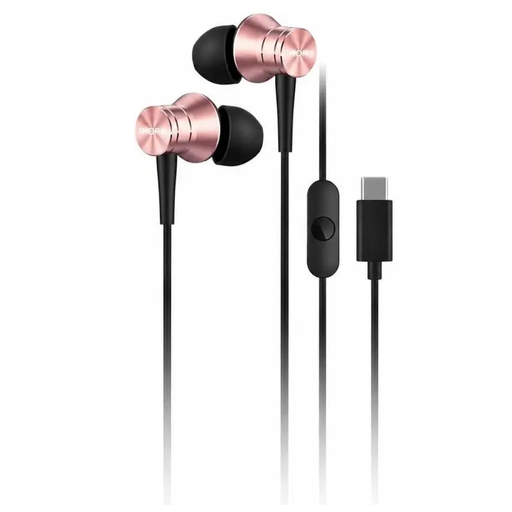
If you plan to compare recordings from a USB-C device, confirm that its port supports audio output before choosing this wired Type-C version.
Check the fit over a typical session and compare familiar orchestral passages at matched volume before treating its sound as a fixed reference.
No: a frequency-range figure alone cannot tell you how accurately an IEM presents tonal balance or whether its fit remains consistent. Compare the same familiar orchestral extracts at matched volume and assess the tuning approach, seal and source compatibility together.
Check which tip sizes and materials come with the exact model, then assess whether the seal stays stable at a low listening level during normal jaw and head movement. Audio-Technica lists four silicone sizes and Comply foam tips for the ATH-E70, but supplied choices cannot guarantee comfort for every ear.
No. RNID warns that loud music can cause permanent hearing damage and says damage can start at around 85 dB and above. Use isolation to reduce competing noise rather than raise the level; RNID also recommends a device limiter where available and breaks of at least five minutes each hour.
An opened IEM is not automatically excluded from return, but a change-of-mind cancellation exception may apply. Regulation 28 of the UK Consumer Contracts Regulations 2013 covers goods sealed for health-protection or hygiene reasons that are unsuitable for return once unsealed after delivery. Check the product’s sealing and the seller’s applicable terms before opening it; remedies for faulty goods are separate from change-of-mind cancellation.