Shared-room listeners
If household sounds compete with quiet passages, focus on an ear-tip seal that reduces distraction without relying on higher playback volume. Isolation still depends on fit.


For piano recitals in a shared bedroom, decide whether tonal balance or reducing room noise matters most, then check that the ear tips fit and the cable works with your player. Sennheiser describes the IE 200 as balanced, Etymotic positions the ER2SE around flat response and passive isolation, and Shure offers an over-ear fit and stated isolation with the SE215, whose description emphasises deep bass.
If household sounds compete with quiet passages, focus on an ear-tip seal that reduces distraction without relying on higher playback volume. Isolation still depends on fit.
If tonal balance matters more to you than added bass, compare models described as neutral or flat-response. Those descriptions express the manufacturers’ tuning aims, not a guarantee of what you will hear.
For a full recital through a phone, laptop or hi-fi player, check ear-tip comfort, cable routing and the player’s audio connection before settling on a model.
Start with the issue most likely to interrupt your recital: room noise, the sound balance you prefer, or wearing and connecting the earphones for the whole performance. Check fit whichever takes priority, because the ear-tip seal affects both comfort and passive isolation.
| Concern | What to check | Who this matters to |
|---|---|---|
| Passive isolation | Check the supplied tip sizes and whether you can maintain a comfortable seal through a recital; treat stated attenuation as model-specific. | When room sounds mask quiet passages, I want to hear them without simply turning up the volume. Around 42% of consumers put isolation first. |
| Piano tone and detail | Compare manufacturers’ tuning descriptions, distinguishing a neutral or flat-response aim from a bass-emphasised one. | If the recording’s tonal balance is my priority, I do not want deliberate bass or treble emphasis to drive the choice. For around 33% of consumers, faithful piano tone comes first. |
| Comfort and connection | Check tip fit and cable routing, then confirm that the plug works with your player or a suitable audio adapter. | For a full recital, I need an earphone I can wear comfortably and connect to my usual player. Comfort and compatibility lead the decision for around 25% of consumers. |
A good seal may make quieter playback practical, but it does not remove the risks associated with high volume or prolonged listening.
Keep the level no higher than you need to hear comfortably. Royal Free London NHS Foundation Trust advises turning music up just enough to hear it, but no higher.
Sennheiser lists a 3.5 mm plug for the IE 200, and Shure lists a 3.5 mm cable for the SE215. Direct connection depends on your playback device’s output.
Check the exact phone, laptop, DAC or hi-fi connection and, if an adapter is needed, confirm that it supports headphone audio.
Passive isolation and comfort depend on the seal you achieve. Shure lists sleeve options for the SE215, while Sennheiser lists ear-tip adapters for the IE 200.
Check the included sizes and the seller’s terms for opened earphones before purchase; try the supplied tips rather than judging the fit from one size alone.
The wired IE 200 is a reference point for listeners considering the balanced-sound approach described on Sennheiser’s UK product page.
The ER2SE represents Etymotic’s flat-response approach for listeners also considering passive isolation.
The SE215 is a wired, over-ear option for listeners interested in a secure fit and replaceable cable.
These wired in-ear earphones offer different connection and model choices to assess for recital listening. Check each one’s fit and compatibility with your player rather than assuming its tuning or isolation suits a shared room.
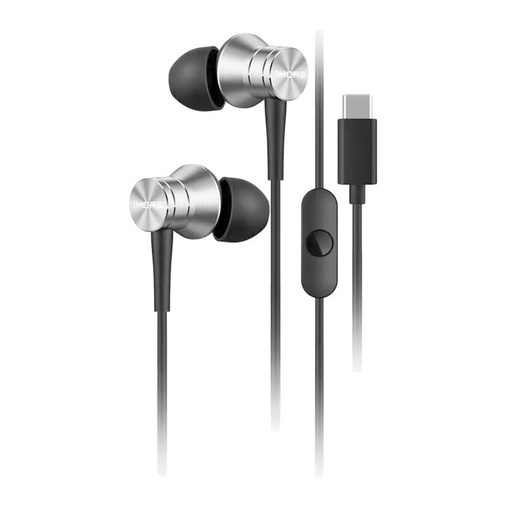 No image available
Consider this wired Type-C version if your player supports audio through that connection.
Check the supplied ear tips and their seal before relying on passive isolation in a shared room.
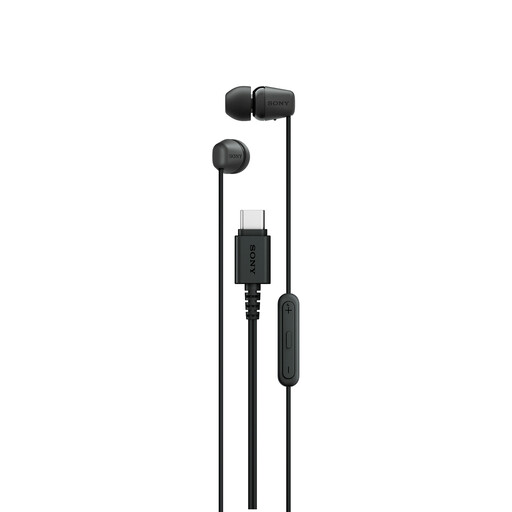 No image available
This wired USB-C model is an option to consider if your source supports USB-C headphone audio.
Check the fit and seal before choosing it to manage room noise during quiet passages.
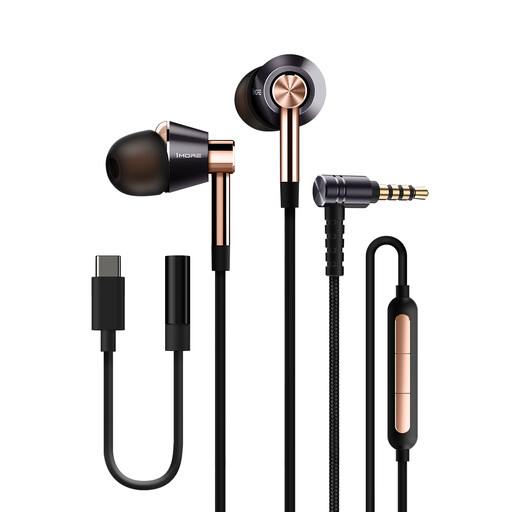 No image available
If you are comparing wired earphones with familiar piano recordings, this three-driver model is another option to assess.
Confirm its plug type, ear-tip fit and sound balance before deciding whether it meets your shared-room needs.
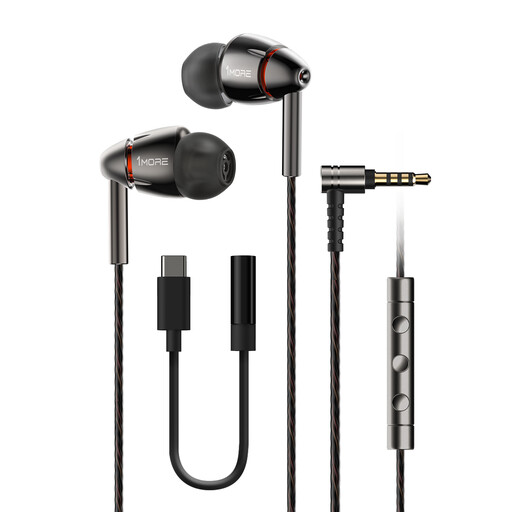 No image available
This wired four-driver model is a further choice to compare if piano tone and fit are your deciding factors.
Its name lists an in-line remote and microphone; check the plug, ear-tip options and seal for your player and listening space.
Choose a neutral or flat-response approach if avoiding deliberate bass or treble emphasis matters to you. Sennheiser describes the IE 200 as balanced and neutral, while Etymotic describes its flat-response range as having no added treble or bass boost; neither description guarantees your personal preference.
Only if its plug works with the device’s audio output. Sennheiser lists a 3.5 mm plug for the IE 200 and Shure lists a 3.5 mm cable for the SE215, so check your exact device and any audio adapter you would need.
Keep playback at the lowest level that lets you listen comfortably rather than raising it to overcome room noise. Royal Free London NHS Foundation Trust advises keeping music no higher than needed and taking breaks from headphone listening; a better ear-tip seal does not make loud listening risk-free.
Do not try to address sudden hearing loss by changing earphones. NHS guidance advises seeking an urgent GP appointment or help from NHS 111 for sudden hearing loss in one or both ears.