What matters when choosing
For cooking podcasts on a train, establish whether the earphones fit and connect to your device before weighing sound descriptions or published isolation figures. Consider comfort over a full journey and how you will stay aware of your surroundings.
| Concern |
What to check |
Who this matters to |
| Dialogue and isolation |
Try the available tip sizes for a comfortable seal. Treat manufacturer attenuation figures as fit-dependent, not directly comparable train tests. |
If carriage noise makes me miss ingredients or timings, I want to follow speech without continually raising the volume; around 36% of consumers put dialogue and isolation first. |
| Device connection |
Check your listening device’s socket and the earphone’s plug; confirm adapter compatibility if needed. |
When I listen from my usual phone, the earphones need to connect before their other features matter; roughly 29% of consumers prioritise connection compatibility. |
| Journey-long fit |
Check tip sizes and materials, and whether the seal remains comfortable during a longer wear period. |
I want to finish a longer podcast without the earphones shifting or pressing painfully; around 21% of consumers place lasting comfort first. |
| Volume and awareness |
Use a volume limiter where available, take listening breaks, and pause or remove the earphones when surroundings need your attention. |
On a busy journey, I want to avoid turning speech up unnecessarily and still notice what happens around me; about 14% of consumers make listening habits and awareness their primary concern. |
Relevant brands to consider
These examples illustrate different wired in-ear designs, not a ranking. Manufacturer isolation figures depend on fit and should not be treated as results from one shared train test.
Shure
The SE215 is a UK-listed option for listeners who want a detachable cable and a choice of supplied sleeves.
- Shure lists a detachable 3.5 mm MMCX cable, foam and soft-flex sleeves, a carrying case and a two-year warranty for the SE215.
- Shure claims isolation of up to 37 dB, but says the result varies with ear canal, sleeve, model and fit.
Etymotic
The wired ER2XR is worth considering if a closely sealing fit is your main route to reducing competing train noise.
- Etymotic states that the ER2XR provides 35–42 dB of passive attenuation.
- That stated range depends on tip choice and insertion; check whether you can maintain a comfortable seal for your journey.
Sennheiser
The IE 200 is a compact, closed ear-canal option for listeners interested in Sennheiser’s neutral, detailed sound presentation.
- Sennheiser specifies a 7 mm dynamic driver and an angled 3.5 mm plug for the IE 200.
- Judge its fit for train listening rather than assuming its isolation matches a figure published for a different model.
Joybuy products for wired listening
These wired in-ear choices relate to listening on a train. Check which tips give you a comfortable seal and whether the stated connection suits your device; neither product should be chosen on an assumed level of noise reduction.
 No image available
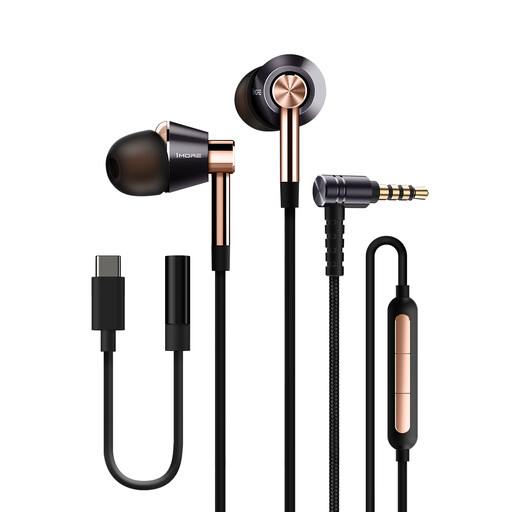
1MORE E1001 Triple Driver wired earphones, Gold
Consider these for wired podcast listening if you can achieve a comfortable in-ear seal. The product name identifies a triple-driver design and MEMS microphone; confirm the plug type against your listening device before buying.
View on Joybuy
 No image available
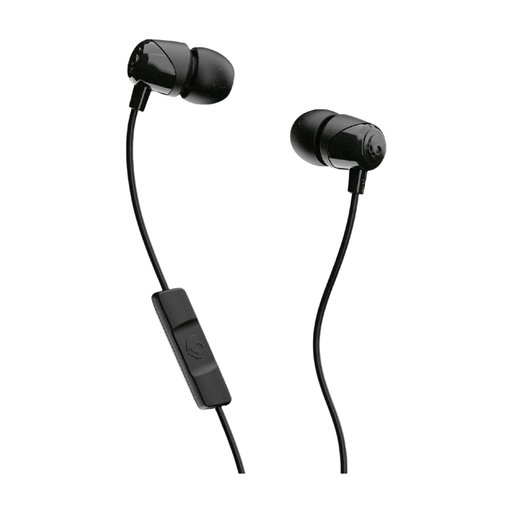
Skullcandy Jib in-ear earphones with microphone, Black
These are a wired option if your device accepts a 3.5 mm plug or a compatible adapter. Check whether the ear gels seal comfortably for your journey rather than assuming a particular level of isolation.
View on Joybuy
Common questions
Do I need active noise cancelling for podcasts on a train?
Not necessarily: a comfortably sealed in-ear monitor can provide passive isolation. Shure and Etymotic publish isolation claims for relevant models, but fit affects the result and their figures are not a directly comparable independent test.
How can I avoid turning cooking podcasts up too loudly?
Start with a comfortable seal rather than compensating for noise by repeatedly raising the volume. Use a limiter if your device offers one; RNID advises headphone listeners to take a break of at least five minutes every hour and warns about repeated or long exposure at 85 dB or above.
Will a wired in-ear monitor plug straight into my phone?
Only if the plug matches a socket on your phone. Shure specifies a 3.5 mm connection for the SE215 and Sennheiser does the same for the IE 200; a phone without that socket needs a compatible audio adapter.
How should I look after earphones used on a commute?
Store them in their supplied case if they have one, and follow the manufacturer’s instructions for cleaning tips and nozzles. Shure supplies a case and detachable cable with the SE215; check the exact model and connector before buying replacement parts.
Is it considerate to listen to podcasts through earphones on public transport?
Yes, when the podcast is not played aloud and you remain aware of people around you. Transport for London’s 2025 campaign encouraged headphone use rather than playing audio to other passengers; pause or remove isolating earphones when you need to hear announcements or attend to your surroundings.


