Speech-detail listeners
If names, interviews and quiet production details are your priority, consider a balanced tuning description alongside fit. Driver count alone does not establish how clearly you will hear speech.


For radio documentaries, start with an ear-tip fit that stays comfortable, a sound balance that lets you follow voices, and a connection that works with your listening device. Passive isolation matters more in noisy places, but an advertised isolation figure cannot tell you whether the tips will seal comfortably in your ears; keep the listening level in mind during long sessions.
If names, interviews and quiet production details are your priority, consider a balanced tuning description alongside fit. Driver count alone does not establish how clearly you will hear speech.
On a train or in a shared home, a well-sealed ear tip can help keep surrounding noise from competing with narration. Check the fit rather than assuming a published isolation figure will apply to your ears.
If you switch between a phone, radio, laptop or portable player, check each device’s audio output against the earphones’ plug. Consider whether you need an adapter and whether the cable can be replaced.
For documentary listening, settle the connection and fit first, then consider whether your usual surroundings call for more isolation or whether a particular sound balance suits your preference for voices.
| Concern | What to check | Who this matters to |
|---|---|---|
| Voices and tonal balance | Look at the tuning description, but do not treat driver count as proof of speech clarity. | If I mainly follow narration and interviews, I want voices to remain easy to pick out without assuming that one tuning suits every recording. Around 33% of consumers would put speech detail first. |
| Passive isolation | Check the available ear-tip choices and whether you can obtain a comfortable seal; published attenuation depends on fit. | With background noise competing against a documentary, I want to hear speech without automatically turning it up. Around 27% of consumers would prioritise isolation. |
| Device and cable connection | Match the plug to your device’s audio output or a compatible adapter; check the cable connection if replaceability matters. | When I use a phone, radio or laptop, the earphones need to connect to the device I actually carry. Around 20% of consumers would make compatibility their primary concern. |
| Comfort over longer sessions | Try the supplied tip options and consider both fit and listening level over time. | For a full episode or several programmes, I need a fit I can tolerate without relying on louder playback. Around 20% of consumers would put long-session comfort and listening habits first. |
Shure describes the SE215 as blocking up to 37 dB of noise, while Etymotic states 35–42 dB attenuation for the ER2XR. Neither figure promises the same result with every ear-tip fit.
Check the supplied tip choices and whether you can obtain a stable, comfortable seal. If fit is uncertain before ordering, check the retailer’s return terms.
The Sennheiser IE 200 and Shure SE215 have 3.5 mm plugs. Their earphone-side MMCX connections do not establish whether a phone, radio or laptop has a matching audio output.
Check your main device’s output, any adapter it requires, and whether you need a microphone or remote.
A device without a matching output may require a compatible adapter or another audio device.
The World Health Organization explains that hearing risk increases with both sound level and listening duration. Isolation does not make prolonged loud playback harmless.
Use a comfortable seal to make a lower level practical, monitor the level where possible and take breaks during longer listening sessions.
The wired IE 200 is relevant if you want to consider a balanced tuning description for narration and interviews.
The SE215 is relevant if you want an over-ear fit, a detachable 3.5 mm MMCX cable and a choice of sleeves.
The ER2XR is relevant if passive isolation is a priority and its ear-tip fit suits you.
These wired in-ear choices give you different connection and fit considerations for documentary listening. Check your playback device and preferred sound balance before deciding between them.
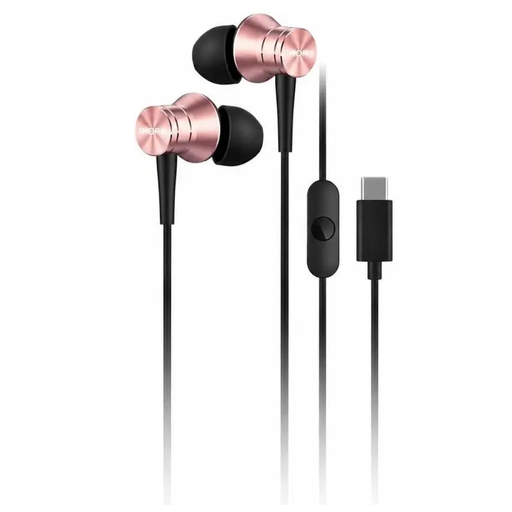 No image available
Consider these for wired listening from a device with compatible USB-C audio output.
Check USB-C audio compatibility and the included quantity before ordering. For noisy surroundings, assess whether the ear tips give you a suitable seal.
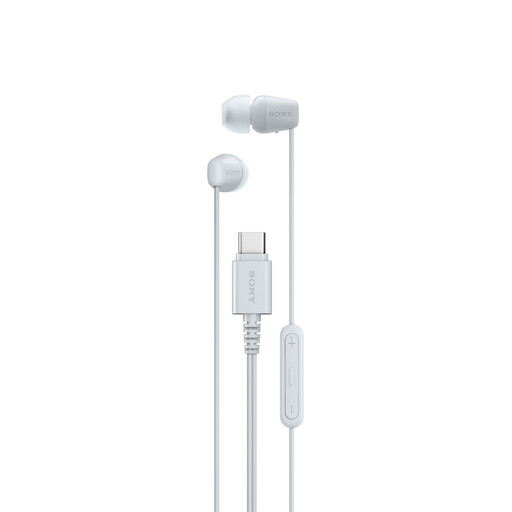 No image available
These are an option for documentary listening if your device supports audio through USB-C.
Check device compatibility before buying, and assess the fit if you need isolation in noisy places.
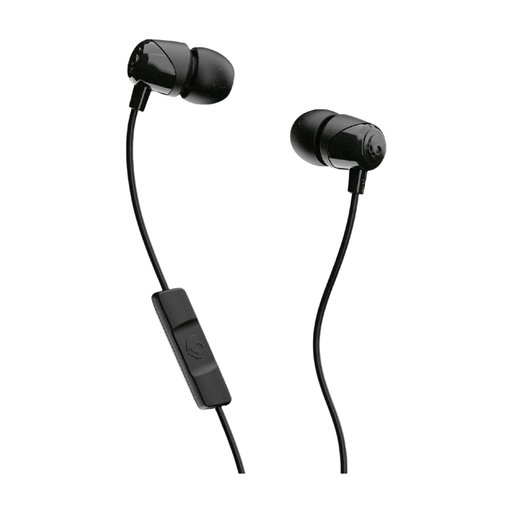 No image available
Consider these if your radio or other listening device has a compatible 3.5 mm output and you want in-ear fit options.
Check that the ear tips seal comfortably rather than assuming they will provide a particular level of isolation. The product description emphasises bass, so compare the sound if a less bass-forward presentation matters to you.
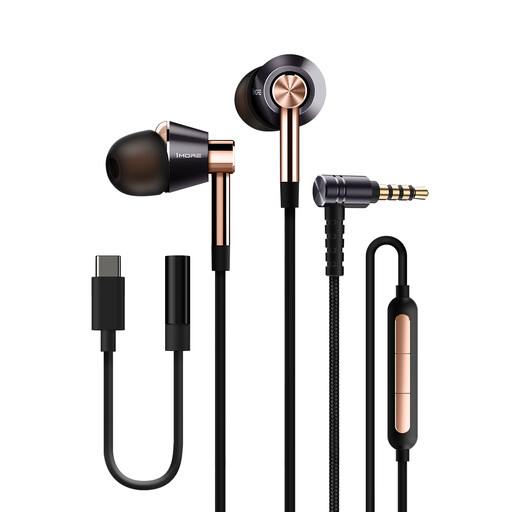 No image available
These may suit listeners comparing in-ear fit and tonal preferences for narration.
The product description emphasises bass as well as detail, so do not assume a neutral presentation. Confirm the plug type for your device and try the available ear-tip sizes for comfort.
 No image available
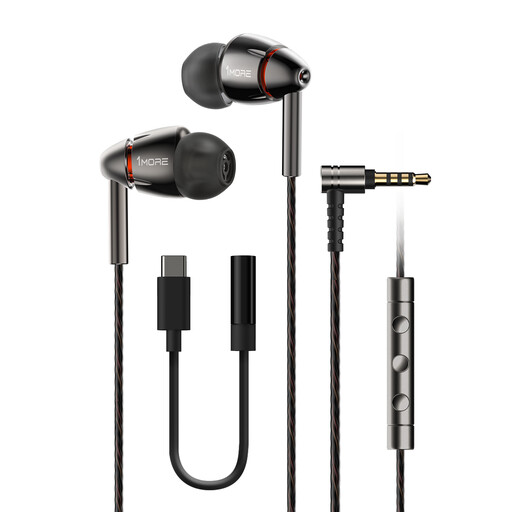
These are a wired in-ear option if an in-line remote is useful during documentary playback.
The product description promotes deep bass, which may not suit a preference for less bass-forward speech. Confirm the plug type and device compatibility, and check the ear-tip choices if fit is important.
Neither bass emphasis nor driver count alone establishes how well an in-ear monitor will suit spoken-word listening. Start with fit and a tuning description that matches your preference; Sennheiser describes the IE 200 as balanced, but that is the brand’s claim rather than a guarantee for every listener or recording.
It will connect directly only if the device has a compatible audio output. The Sennheiser IE 200 and Shure SE215 use 3.5 mm plugs, so check your device’s socket or its requirements for an adapter before ordering.
Passive isolation can make a lower playback level more practical in noise, but listening level and duration still matter. The World Health Organization advises keeping the volume down, monitoring exposure where possible and taking breaks.